Key Points
- Limestone is likely a key raw material in cement, providing calcium for binding properties.
- Research suggests limestone enhances cement sustainability, reducing carbon footprint by up to 10%.
- It seems likely that limestone improves cement performance, like shrinkage and permeability.
- The evidence leans toward limestone being cost-effective and eco-friendly in cement production.
Limestone plays a crucial role in cement, acting as both a primary ingredient and an additive that boosts sustainability. It provides the calcium needed for cement to bind materials together, forming the basis of concrete. Modern uses, like in Portland-Limestone Cement (PLC), show it can reduce environmental impact and improve cement qualities, making it a popular choice in construction.
Benefits in Cement
Limestone is essential, making up 80-90% of the raw materials for cement clinker, the core of cement production. In PLC, it’s added at 5-15%, helping lower the carbon footprint by replacing energy-intensive clinker. This makes cement production greener, with studies suggesting a 10% reduction in emissions. It also seems to enhance cement’s performance, such as better particle distribution and resistance to environmental wear.
Industry Adoption
The construction industry is increasingly adopting PLC, approved by many state transport departments as an eco-friendly option. It’s often cheaper, depending on the region, and performs similarly or better in tests like freeze-thaw resistance, making it a practical choice for sustainable building.
Survey Note: Detailed Analysis of Limestone in Cement Production
Limestone’s role in cement production is multifaceted, serving as both a foundational raw material and a strategic admixture that enhances the sustainability and performance of cement. This detailed analysis explores its chemical contributions, environmental benefits, and growing adoption in the construction industry, drawing from recent insights and industry trends as of May 29, 2025.
Chemical and Structural Role
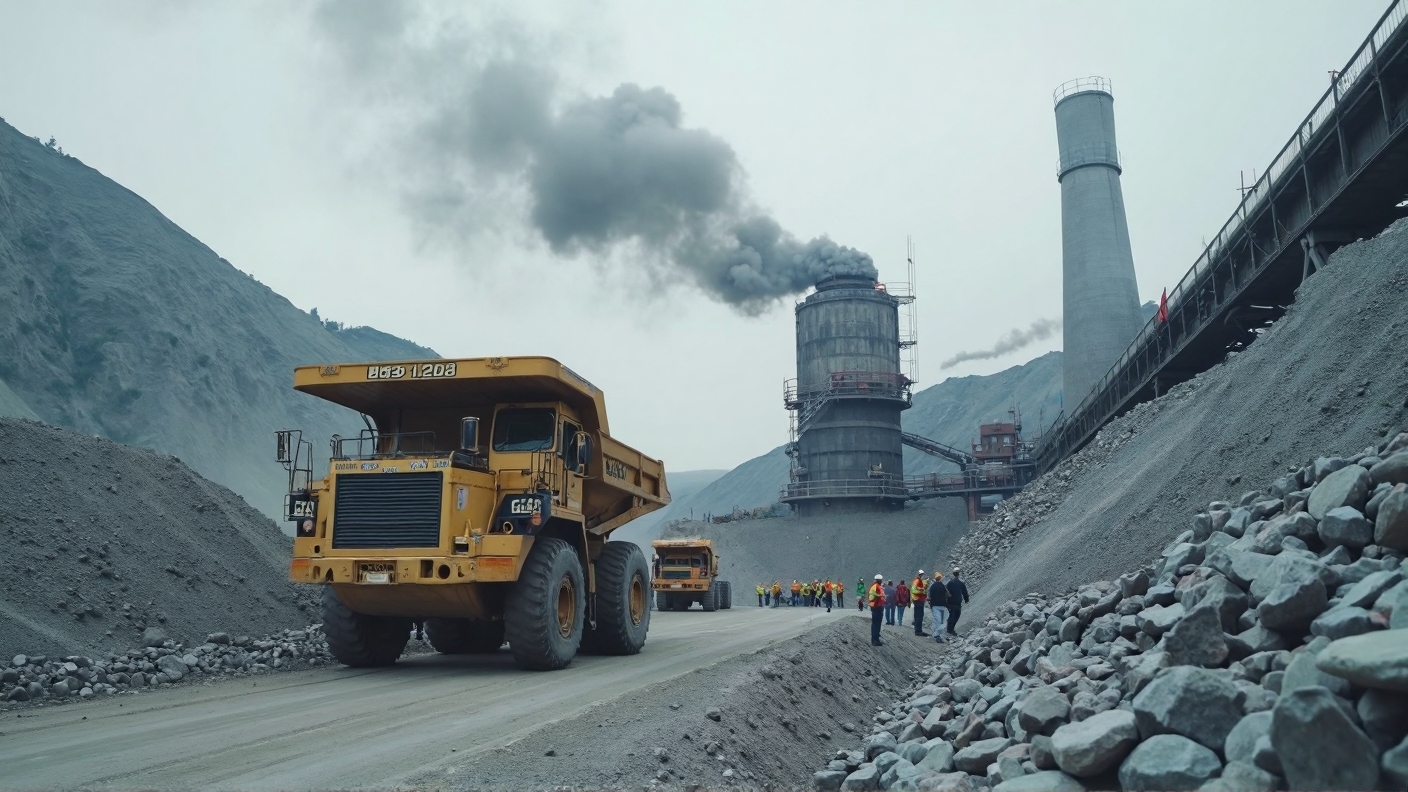
Limestone, primarily composed of calcium carbonate (CaCO₃), is the backbone of cement manufacturing. It provides the calcium oxide (CaO) essential for the chemical reactions that enable cement to bind aggregates in concrete. According to Fote Machinery, limestone constitutes 80-90% of the kiln feed used to produce cement clinker, the intermediate product ground to make cement. This calcium is derived from the fossilized shells and skeletons of prehistoric sea creatures, as noted in the same source, highlighting its natural origin and suitability for industrial use.
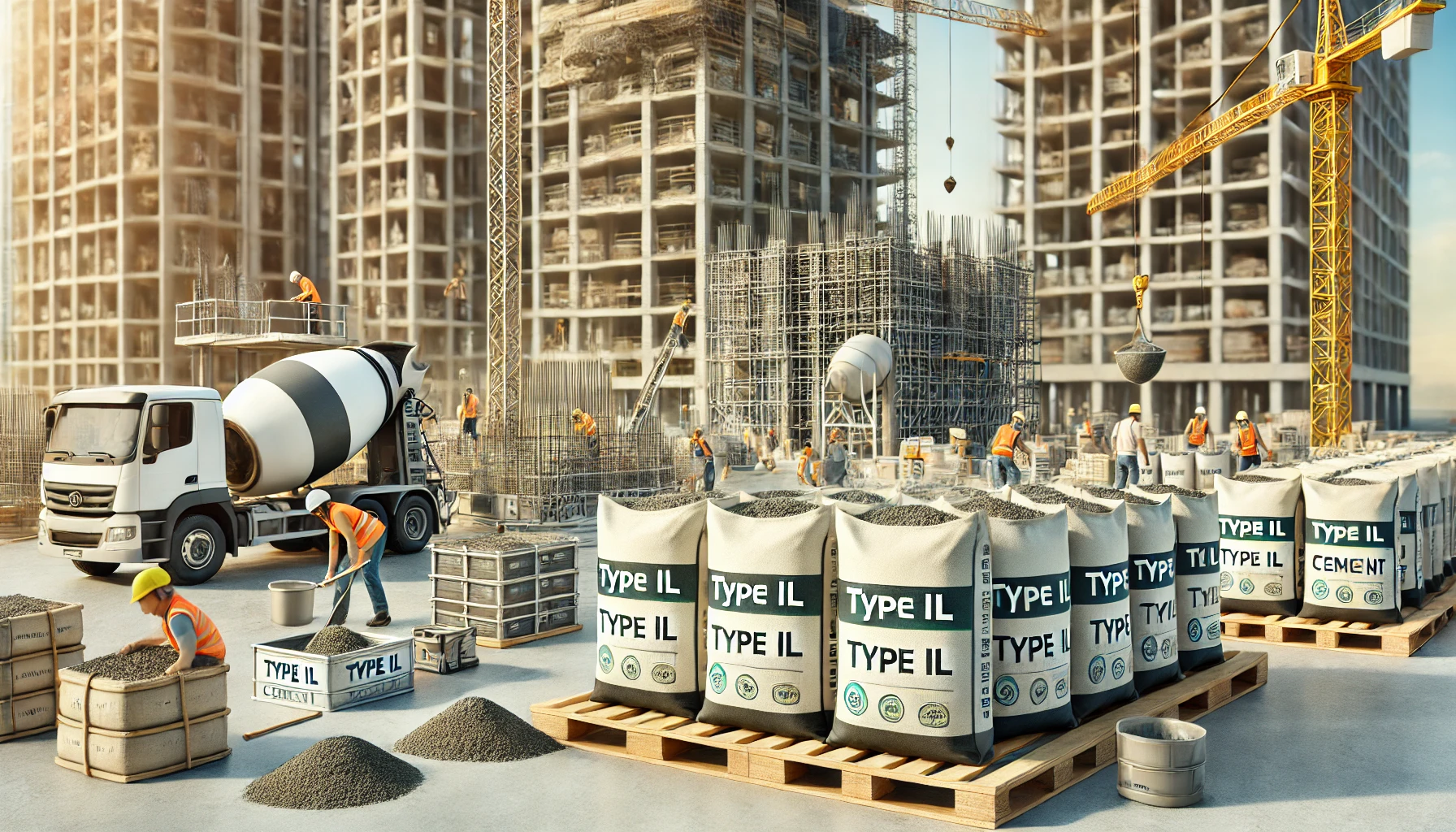
In addition to its role as a raw material, limestone is increasingly used as an admixture in Portland-Limestone Cement (PLC), also known as Type 1L cement. CarbonCure Technologies details that PLC contains 5-15% limestone, integrated after the clinker is cooled and then finely ground. This process, as explained by Concrete Construction Magazine, results in a cement with improved particle size distribution, as limestone grinds more easily than clinker, potentially reducing energy use in production.
Environmental and Sustainability Benefits
The inclusion of limestone in cement, particularly in PLC, is driven by its environmental benefits. Research, as cited by CarbonCure Technologies, suggests that PLC can reduce the carbon footprint of cement by approximately 10% compared to traditional Portland cement. This reduction is achieved by replacing a portion of the energy-intensive clinker with limestone, which requires less processing and does not undergo calcination, thus emitting fewer greenhouse gases. PROSOCO further notes that this approach was developed to address the significant CO₂ emissions from cement production, estimated at 7-8% of global emissions, aligning with efforts to meet climate goals like the Paris Agreement.
The sustainability benefits extend to the concrete mix, where limestone’s finer grinding leads to denser particle packing, as mentioned in CarbonCure Technologies. This contributes to lower carbon ingredients overall, enhancing the eco-friendliness of concrete infrastructure. The Global Cement and Concrete Association adds that limestone, once considered an inert filler, is now recognized as a supplementary cementitious material, contributing to how concrete hardens and potentially reducing the need for other high-emission additives.
Performance Enhancements
Limestone’s addition to cement not only aids sustainability but also improves performance. Fote Machinery highlights that PLC performs equivalently to ordinary cement in critical areas such as shrinkage, permeability, freeze-thaw resistance, and salt scaling, with slight enhancements in some cases. This is attributed to limestone acting as a seed crystal, better distributing reaction products and increasing cement reactivity, as noted in Concrete Construction Magazine. The finer particle size also potentially reduces water demand, improving the efficiency of water reducers in concrete mixes.
Cost and Economic Considerations
Economically, limestone use in cement can be advantageous. CarbonCure Technologies and Precast/Prestressed Concrete Institute suggest that PLC is often less expensive than traditional cement, depending on regional availability and costs. Limestone’s abundance, with significant reserves noted in LinkedIn, such as Karnataka holding 27% of India’s resources, supports its cost-effectiveness. This economic benefit, combined with performance parity, makes PLC an attractive option for cost-conscious builders.
Industry Adoption and Trends
The adoption of limestone-enhanced cements, particularly PLC, is on the rise. CarbonCure Technologies reports increasing use by concrete producers, especially those leveraging CarbonCure’s technologies for stackable sustainability benefits. The National Plasterers Council indicates that limestone cement now holds an estimated 40% of the U.S. market, up from its introduction in the early 2010s, driven by a push to reduce greenhouse gases. Many state Departments of Transportation have approved PLC as an eco-friendly alternative, as mentioned in CarbonCure Technologies, reflecting its integration into mainstream construction practices.
Historical context, as provided by Precast/Prestressed Concrete Institute, traces PLC’s development to the 1960s in Europe, with significant adoption following the 1973 oil crisis, particularly in France, due to limited alternative supplementary cementitious materials. This trend continues, with ACEEE evaluating potential carbon reduction at various adoption rates, underscoring limestone’s role in decarbonizing the cement sector.
Challenges and Considerations
While the benefits are clear, there are considerations. Shelly Company notes that concrete and mortar made with limestone can react with carbon dioxide in rainwater, leading to wear over time, though this is a common challenge in concrete durability. Acid-based cleaning chemicals and increased rain acidity from burning fossil fuels can exacerbate this, requiring maintenance. However, these issues are manageable with proper design and maintenance, and the overall benefits often outweigh these challenges.
Summary Table: Beneficial Uses of Limestone in Cement
| Aspect | Details |
|---|---|
| Primary Use | Key raw material for cement clinker (80-90% of kiln feed), providing calcium for binding. |
| Admixture Role | Used in PLC (5-15% limestone), enhancing sustainability and performance. |
| Carbon Footprint Reduction | Reduces emissions by ~10% by replacing clinker, aligning with climate goals. |
| Performance Benefits | Improves particle distribution, reactivity, and resistance to shrinkage, permeability, etc. |
| Cost Benefits | Often less expensive, depending on region, due to abundant limestone resources. |
| Industry Adoption | Increasingly used, with 40% U.S. market share, approved by many DOTs for eco-friendliness. |
This table encapsulates the multifaceted benefits, providing a quick reference for stakeholders in cement and construction.
Expert Insights
Experts like Dr. Doug Hooton, as cited in CarbonCure Technologies and CarbonCure Technologies, emphasize PLC’s role in reducing greenhouse gas emissions, particularly in concrete infrastructure. This aligns with global efforts to decarbonize, with limestone’s integration seen as a practical step forward.
In conclusion, limestone’s beneficial use in cement is well-supported by its chemical contributions, environmental advantages, and economic viability. As of May 29, 2025, its adoption in PLC and other forms is shaping a more sustainable future for the construction industry, balancing performance with ecological responsibility.
Key Citations
- 2 Major Roles of Limestone in Cement Manufacturing | Fote Machinery
- How is concrete made from limestone? | Shelly Company
- Portland-Limestone Cement | Precast/Prestressed Concrete Institute
- What is Portland Limestone Cement, and is it Becoming the New Norm? | CarbonCure Technologies Inc.
- Limestone Cement | National Plasterers Council
- Limestone filler | Global Cement and Concrete Association
- Adoption of Limestone Calcined Clay Cement and Concrete in the U.S. Market | ACEEE
- What is Portland Limestone Cement (Type 1L Cement) | PROSOCO
- Limestone & Cement | LinkedIn
- Understanding Limestone in Cement| Concrete Construction Magazine