Delivering Ready Mix Concrete Monday – Saturday
The global cement industry is a critical component of infrastructure development, with production and ownership structures reflecting economic, political, and environmental dynamics. This note provides a comprehensive analysis of who produces and owns cement worldwide, based on recent data and industry trends as of May 31, 2025. It expands on the key points and includes detailed insights into major producers, country-level production, and ownership structures.
Global Cement Production Landscape
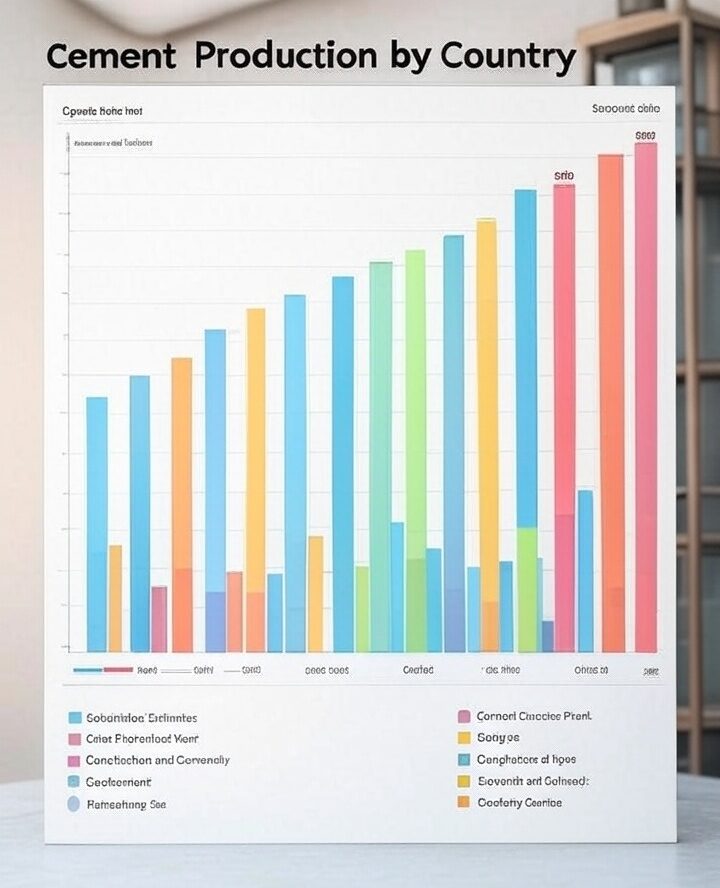
Cement production is heavily concentrated in certain countries, with China leading by a significant margin. In 2023, China produced over 2.1 billion metric tons, accounting for approximately 50% of global output.
India follows with 410 million metric tons, and Vietnam with 110 million metric tons, highlighting Asia’s dominance in the sector. This concentration is driven by rapid urbanization and infrastructure projects, particularly in China, where cement is a cornerstone of construction, unlike regions like the United States, where wood is more common for housing.
The industry faces challenges, including environmental concerns, with large-scale production contributing to pollution, especially in China, where state support has boosted over-production.
Sustainability efforts, such as reducing CO2 emissions, are increasingly important, with companies like HeidelbergCement and Holcim investing in alternative fuels and low-carbon technologies.
Major Cement Producers and Their Capacities
The largest cement companies by production capacity, based on 2024 and 2025 data, are as follows:
| Rank | Company Name | Production Capacity (Million Metric Tons/Year) | Headquarters |
|---|---|---|---|
| 1 | China National Building Material Co. Ltd. (CNBM) | 530 | China |
| 2 | Anhui Conch Cement Company Limited | 288 | China |
| 3 | Holcim | 274 | Switzerland |
| 4 | HeidelbergCement | 121 | Germany |
| 5 | Cemex | 87 | Mexico |
This table is derived from recent industry reports, such as Statista – Capacity of biggest global cement producers 2024 and Construction Kenya – Top 10 Largest Cement Producers. Note that there was a discrepancy in earlier data, with some sources listing CNBM’s capacity lower (e.g., 176.22 million metric tons), but the most recent Statista data (March 2025) confirms 530 million, suggesting updates in capacity or reporting methods.
Other notable producers include China Resources Cement Holdings (71 million metric tons, state-owned), Taiwan Cement Corporation (64 million metric tons, publicly traded), Eurocement (45 million metric tons, likely private with possible state ties in Russia), and Votorantim Cimentos (45 million metric tons, privately held by the Brazilian Votorantim Group).
Ownership Structures and State Influence
Ownership is a critical aspect, with significant variation across companies:
- State-Owned Enterprises (SOEs):
- CNBM is fully state-owned by the Chinese government, reflecting China’s strategy to control key industries
.
- China Resources Cement Holdings is part of China Resources, another state-owned enterprise, emphasizing state dominance in China’s cement sector.
- Anhui Conch, while publicly listed on the Hong Kong and Shanghai Stock Exchanges, has its largest shareholder, Anhui Conch Holdings, owned by the Anhui Provincial People’s Government via subsidiaries like Anhui Provincial Investment Group Holdings Co., Ltd. and China Conch Venture Holdings
. This structure indicates significant state influence, with the government controlling major stakes.
- CNBM is fully state-owned by the Chinese government, reflecting China’s strategy to control key industries
- Publicly Traded Companies:
- Holcim, headquartered in Switzerland, is publicly traded on the SIX Swiss Exchange, formed by the merger of Lafarge and Holcim in 2015
. It operates in over 90 countries, focusing on sustainability and innovation.
- HeidelbergCement, based in Germany, is listed on the Frankfurt Stock Exchange, with operations in over 50 countries, emphasizing sustainable practices like reducing CO2 emissions
.
- Cemex, headquartered in Mexico, is listed on both the Mexican Stock Exchange and the New York Stock Exchange, serving the Americas and beyond
.
- Taiwan Cement Corporation, based in Taiwan, is publicly traded, reflecting the region’s industrial focus
.
- Holcim, headquartered in Switzerland, is publicly traded on the SIX Swiss Exchange, formed by the merger of Lafarge and Holcim in 2015
- Private Companies:
- Votorantim Cimentos, the largest in Brazil, is privately held by the Votorantim Group, a conglomerate with diverse interests
.
- Eurocement, Russia’s largest, is likely private, though large Russian companies often have indirect state ties, though specific ownership details were not fully clarified in the data
.
- Votorantim Cimentos, the largest in Brazil, is privately held by the Votorantim Group, a conglomerate with diverse interests
Mergers, Acquisitions, and Industry Dynamics
The cement industry has seen significant consolidation, affecting ownership and market share. For instance, Holcim was formed by the merger of Lafarge and Holcim in July 2015, creating one of the largest global players.
Similarly, Italcementi (Italy) became part of HeidelbergCement in 2016, expanding its global footprint.
Technological advancements, such as AI in supply chain optimization, are enhancing operational efficiency, with companies like Anhui Conch collaborating with Huawei on AI models for cement production.
These innovations are crucial for meeting growing demand, driven by infrastructure projects and government initiatives, particularly in Asia
Economic and Environmental Implications
Cement production is closely tied to economic growth, with demand often reflecting real estate and infrastructure activity.
However, the environmental impact is significant, with China’s cement industry criticized for pollution despite economic benefits.
Companies are responding with sustainability goals, such as Anhui Conch’s target to reduce emissions intensity by 6% by 2025 compared to 2020, aligning with China’s carbon peak and neutrality goals
Conclusion
In summary, no single entity produces or owns all the cement in the world; instead, the industry is dominated by a mix of state-owned enterprises (especially in China), publicly traded companies, and private firms. Chinese companies like CNBM (state-owned, 530 million metric tons/year) and Anhui Conch (state-influenced, 288 million metric tons/year) lead in capacity, followed by international players like Holcim (publicly traded, 274 million metric tons/year) and HeidelbergCement (publicly traded, 121 million metric tons/year). Ownership structures reflect national policies, with China’s state control contrasting with the public and private models in other regions. This diversity underscores the global and multifaceted nature of the cement industry as of May 31, 2025.
Key Citations
- Construction Kenya Top 10 Largest Cement Producers
- Statista Capacity of biggest global cement producers 2024
- World Population Review Cement Production by Country 2025
- Wikipedia Anhui Conch Cement
- Forbes Anhui Conch Cement Company Overview
- WorldAtlas Top Cement Producing Countries
- Building Radar Top 15 Largest Cement Companies
- Yahoo Finance 20 Largest Cement Producing Countries
- Global Cement Anhui Conch
- World Benchmarking Alliance Heavy Industries Benchmark
Global Cement Market Overview 2025
This post explores the world cement market, highlighting production by country, key producers’ capacities, and ownership details. Data is based on 2023-2024 figures and 2025 projections from sources like Statista, World Population Review, and IMARC Group.
Cement Production by Country (Million Metric Tons, 2023 & 2025 Est.)
Key Producers, Capacity, and Ownership
| Company | Headquarters | Production Capacity (Million Metric Tons/Year, 2024) | Ownership |
|---|---|---|---|
| China National Building Material (CNBM) | China | 530 | State-owned |
| Anhui Conch Cement | China | 288 | Publicly listed, state-influenced |
| Holcim | Switzerland | 274 | Publicly traded |
| HeidelbergCement | Germany | 121 | Publicly traded |
| Cemex | Mexico | 87 | Publicly traded |
Market Insights:
- Total Production (2023): 4.1 billion metric tons, estimated to remain stable or grow slightly by 2025 due to demand in Asia, Africa, and infrastructure projects.
- Market Value: Valued at USD 407.4 billion in 2024, projected to reach USD 673.8 billion by 2033 (CAGR 5.16%).
- Trends: Shift toward sustainable cement (e.g., blended cement with fly ash, slag), driven by environmental regulations and urbanization.
- Key Drivers: Population growth, infrastructure investments (e.g., India’s Smart Cities Mission), and eco-friendly production innovations.
-
Controlled Density Fill CDF
Volume Concrete LLC., supplies a Controlled Density Fill that can be ordered with a density ranging from 50psi up to 300psi. Looking for Early Load Application? Rapid Set® Flowable Fill CDF is available – Little to No Subsidence, ready for pavement in 1 hour – learn more Most common used in the Portland Metro is…
-
High Early Strength Concrete HESC
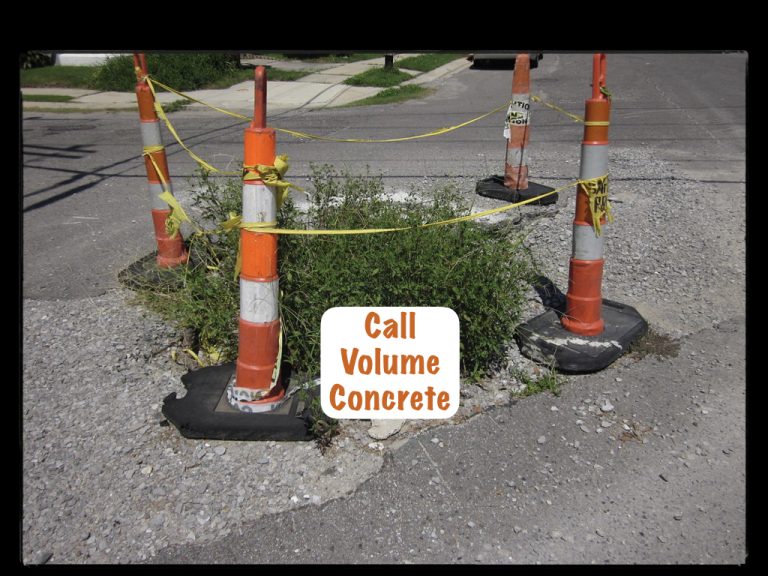
High Early Strength Concrete is Traffic Ready in 2 hours. Another Quality Product from Volume Concrete LLC.,
-

Exposed Aggregate Concrete Mix
Volume Concrete Delivers an Exposed Aggregate Concrete Mix that has lot’s of beautiful colors from Windsor Rock. Our custom capabilities allow for this mix to be pumped using our standard 3,500psi design. Check out some recent homeowner photos using our Exposed Aggregate Mix.
-

Grouted Brick Prism
Volume Concrete Delivers Grout for Grouted Brick Prisms Masons like the Grout from Volume Concrete thanks to the freshness (mixed on-site), and the ability to adjust the slump on-the-fly, and vary the sack amount for the cement component. Admixtures on board include Viscosity Modifiers for increasing the flowability and increasing the consolidation around rebar and…
-
Mixer 3 is on the Road for Spring
Thanks to the determined crew at RoadMaster Mixer Trucks we were able to get Mixer Truck 3 on the road in time for Spring. This beauty has the capability to change the mix design on the fly, adjusting water/cement ratios, sand and aggregate amounts, and with three separate admix storage tanks we are able to…
-
The Importance of Choosing Domestic Cement
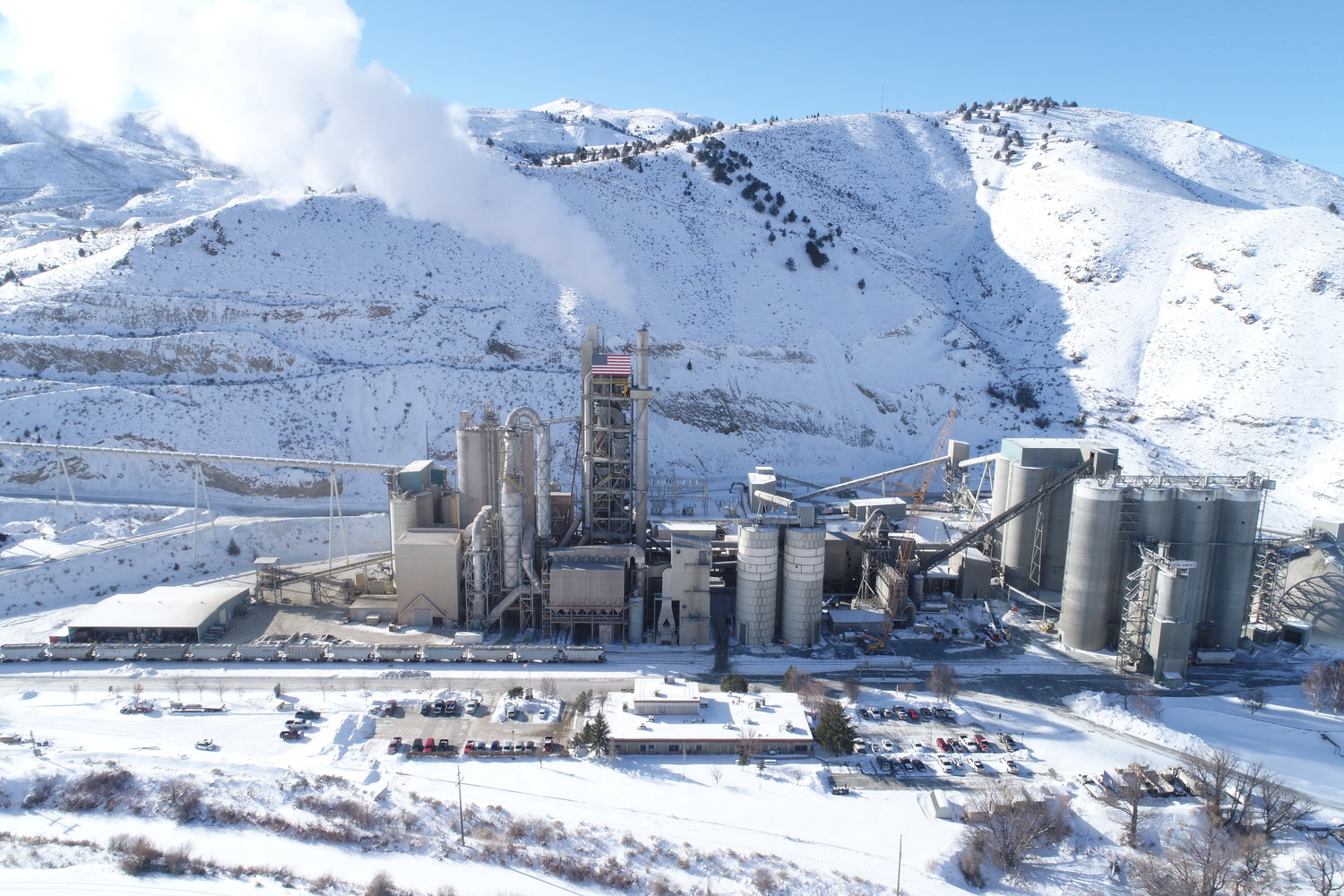
It’s no secret, we like to support the local community. AshGrove Cement is one of those great local companies that support the thriving industry with quality products and service. Here is a fact sheet provided by AshGrove about their operations in Durkee, Oregon: Local Economic Impact • 115 employees • Annual payroll: $13 million •…
-
Cold Weather Concrete Success Tips using Accelerators and Water Reducing Admixtures
The winter months can make concrete a challenge. Anything below 32 degrees Fahrenheit is not recommended especially considering if the ground is frozen solid. Concrete is in a plastic state (wet) when initially delivered and mixed. This wet product will have a tendency to freeze just like water. Once a concrete mix has frozen, it…
-
Hot Water Every Load
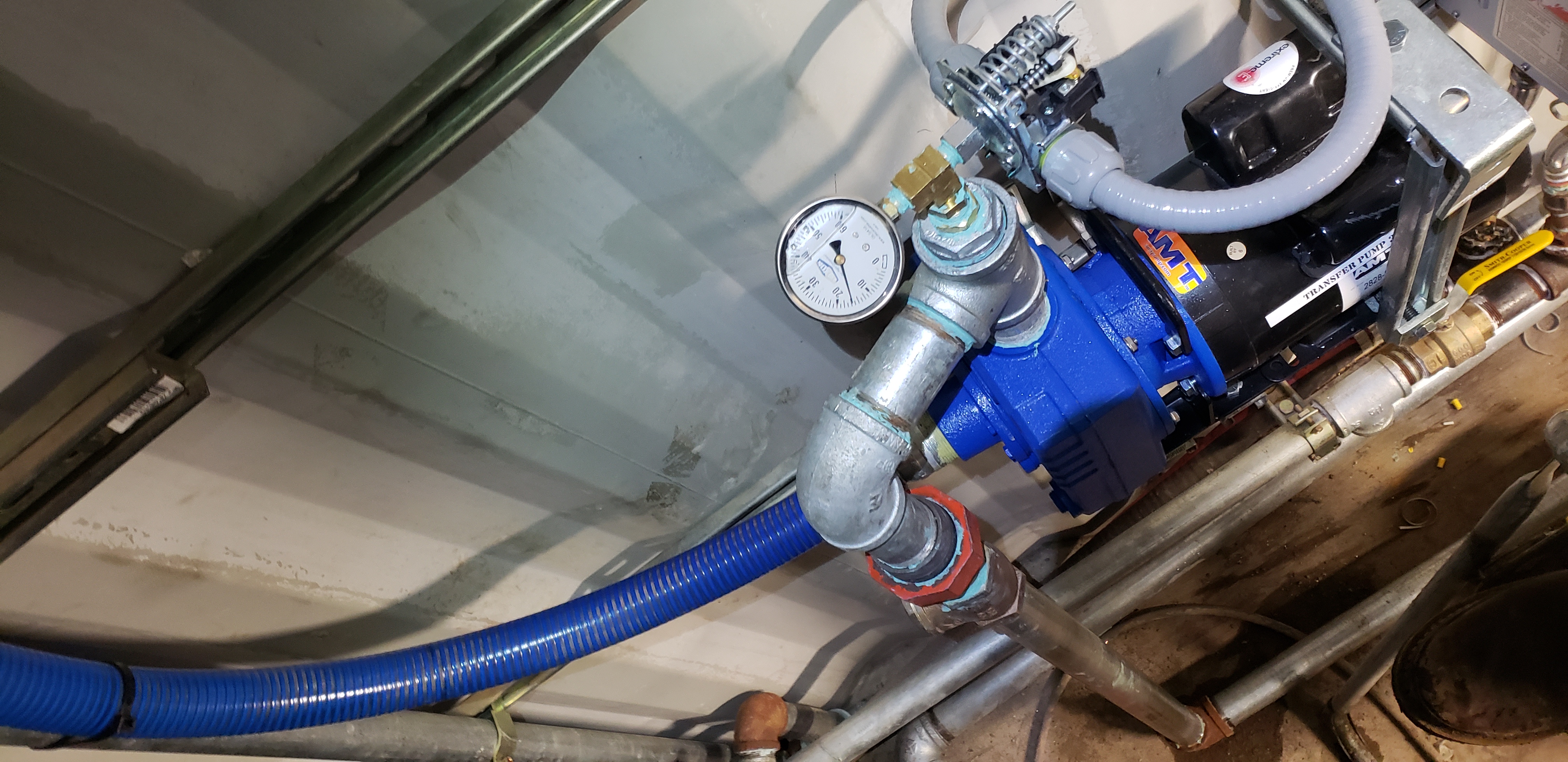
Hot Water included in every load and delivery to ensure an early set and workable concrete.
-
Happy Labor Day 2018
Have a Safe and Happy Labor Day 2018 – Volume Concrete LLC.,
-

ADA Detectable Warning Surfaces and Concrete Tactiles
What is a Detectable Warning Surface? What kind of concrete is needed for Tactile replacement in Oregon (see below)? The primary purpose of a cross-walk at an intersection for the the safety of the pedestrian. Yet, many accidents occur in the cross-walk involving pedestrians, cyclists and automobiles. Too address the major issue involving cross-walk accidents,…