Author: Volume Concrete

  • The History of Concrete in the Pacific Northwest Part 3 of 6 Series – Post-War Expansion, Iconic Structures, and the Rise of Ready-Mix

    The History of Concrete in the Pacific Northwest Part 3 of 6 Series – Post-War Expansion, Iconic Structures, and the Rise of Ready-Mix

    History of Concrete in the Pacific Northwest – Part 3

    History of Concrete in the Pacific Northwest – Part 3: Post-War Expansion, Iconic Structures, and the Rise of Ready-Mix

    Building on the monumental dam-building era of the 1930s–1950s and Seattle’s Skagit River project, the post-World War II period saw concrete drive explosive urban growth, innovative architecture, and iconic bridges in the Pacific Northwest. The advent of ready-mix concrete revolutionized construction, enabling faster, more consistent builds for highways, skyscrapers, and suburban development. This part explores key post-war dams, landmark bridges, the Space Needle as a symbol of modern concrete use, and the evolution of the ready-mix industry.

    Completing the Columbia River System: Later Dams

    While Grand Coulee and Bonneville kicked off the federal dam-building frenzy, the 1950s–1970s saw completion of the lower Columbia and Snake River hydropower and navigation system under the U.S. Army Corps of Engineers.

    The Dalles Dam (1952–1957, Oregon/Washington border): This run-of-the-river concrete gravity dam, located near The Dalles, Oregon, flooded Celilo Falls—an ancient Native American fishing site—and created Lake Celilo. It generates 1,878 MW and includes locks for navigation. Construction displaced communities and further impacted salmon runs.

    Historical view of The Dalles Dam area and its impact

    The Dalles Dam and surrounding area, showing changes to landmarks and transportation

    John Day Dam (1958–1971, Oregon/Washington): The third-largest hydropower producer on the Columbia (2,160 MW), this concrete gravity dam features one of the world’s largest navigation locks. It required over 10 million cubic yards of concrete and created Lake Umatilla, extending 76 miles upstream.
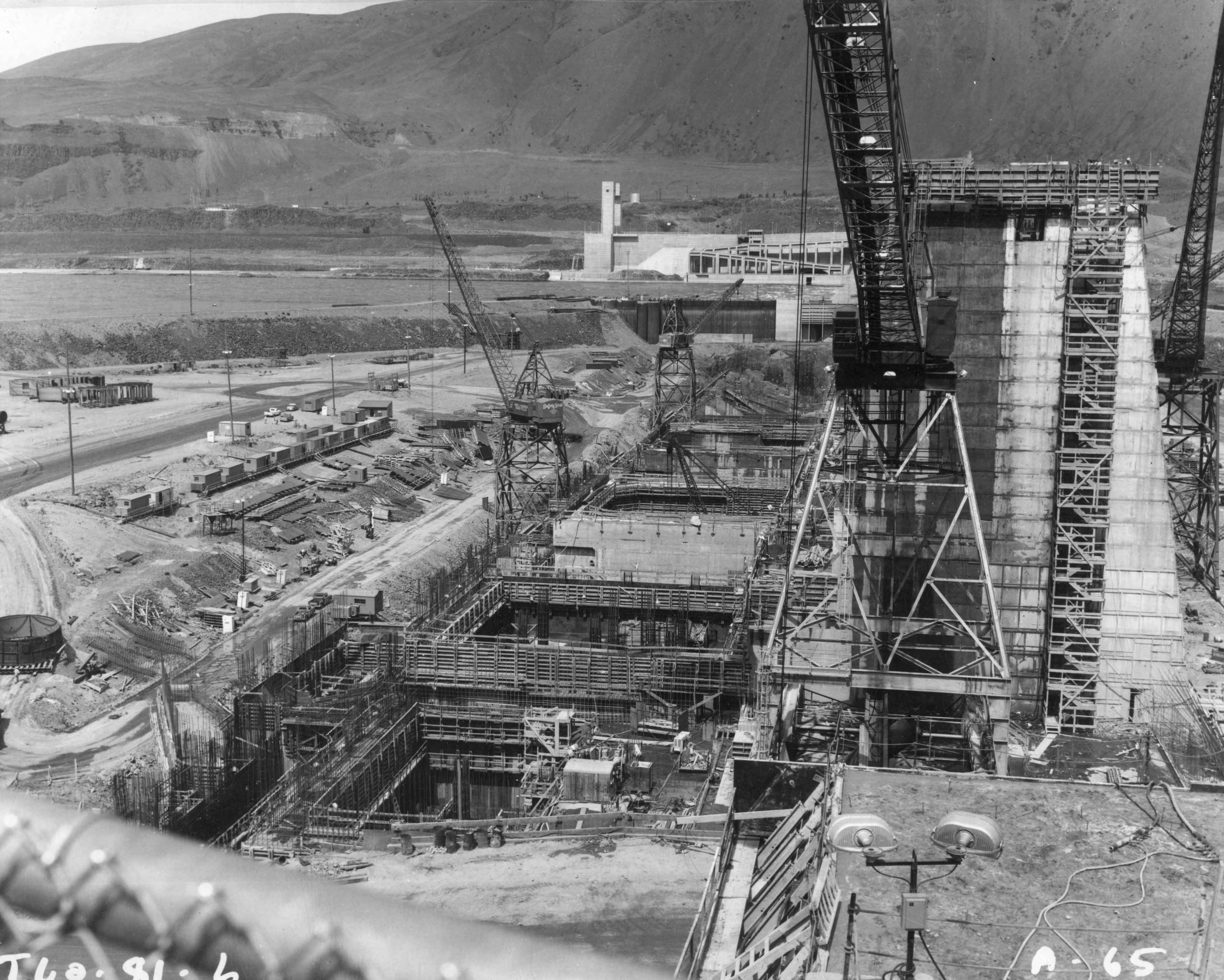
    Construction of John Day Dam powerhouse

    Construction scene at John Day Lock and Dam powerhouse (University of Idaho Library)

    Modern view of John Day Dam

    John Day Dam on the Columbia River (U.S. Army Corps of Engineers)

    Iconic Bridges: Engineering Marvels in Concrete and Steel

    Post-war growth demanded new crossings, blending concrete with steel for aesthetic and functional designs.

    St. Johns Bridge (1931, Portland, Oregon): Though completed just before the Depression-era dams, this suspension bridge with Gothic-inspired concrete towers became an enduring symbol. Designed by David B. Steinman, its 1,207-foot main span and verdant green paint make it one of America’s most beautiful bridges.
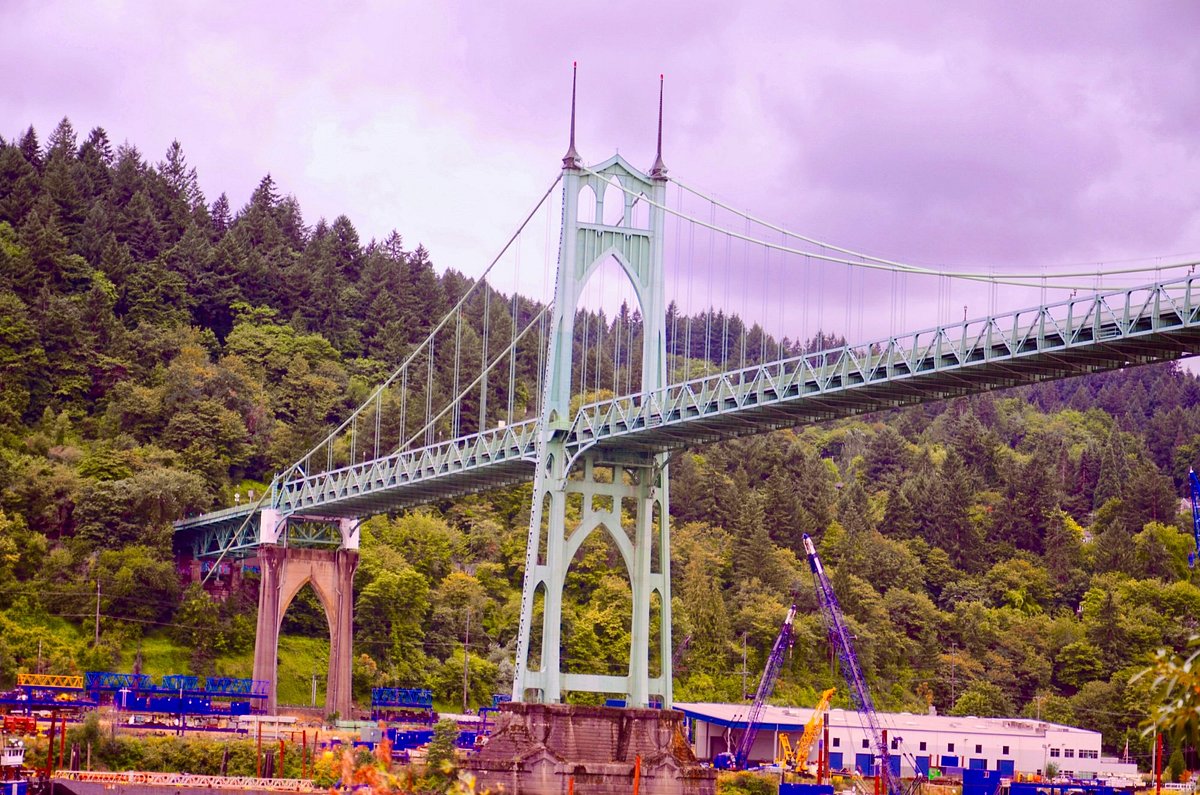
    St. Johns Bridge in Portland

    The magnificent St. Johns Bridge spanning the Willamette River

    Classic view of St. Johns Bridge

    Iconic towers of the St. Johns Bridge (Wikipedia)

    Bullards Bridge (1953, Coos Bay, Oregon): This concrete arch bridge over the Coos River, with its distinctive curved design, replaced an older ferry and exemplifies mid-century coastal engineering.

    Historic Bullards Bridge

    Bullards Bridge near Bandon, Oregon

    Driving across Bullards Bridge

    View from Bullards Bridge (Wikipedia)

    The Space Needle: A Modern Concrete Icon (1961–1962)

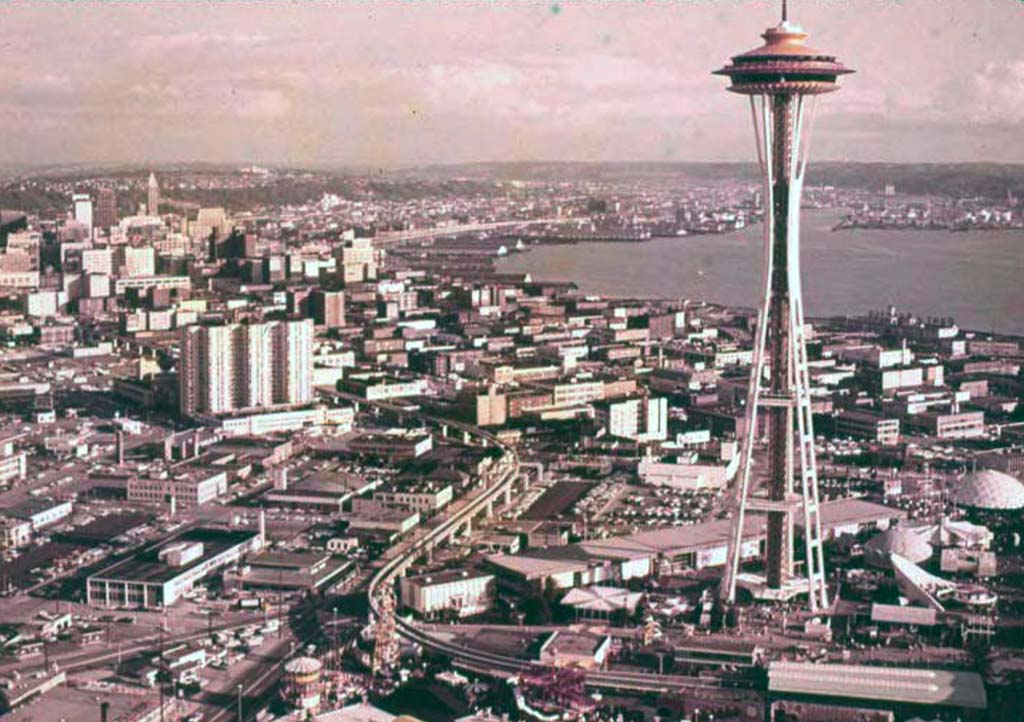
    For the 1962 Seattle World’s Fair (Century 21 Exposition), the Space Needle showcased futuristic concrete use. Its foundation required a massive 30-foot-deep hole filled with 5,600 tons of concrete—the largest continuous pour in the West at the time. The slender legs and saucer top used reinforced concrete and steel, symbolizing the Space Age.
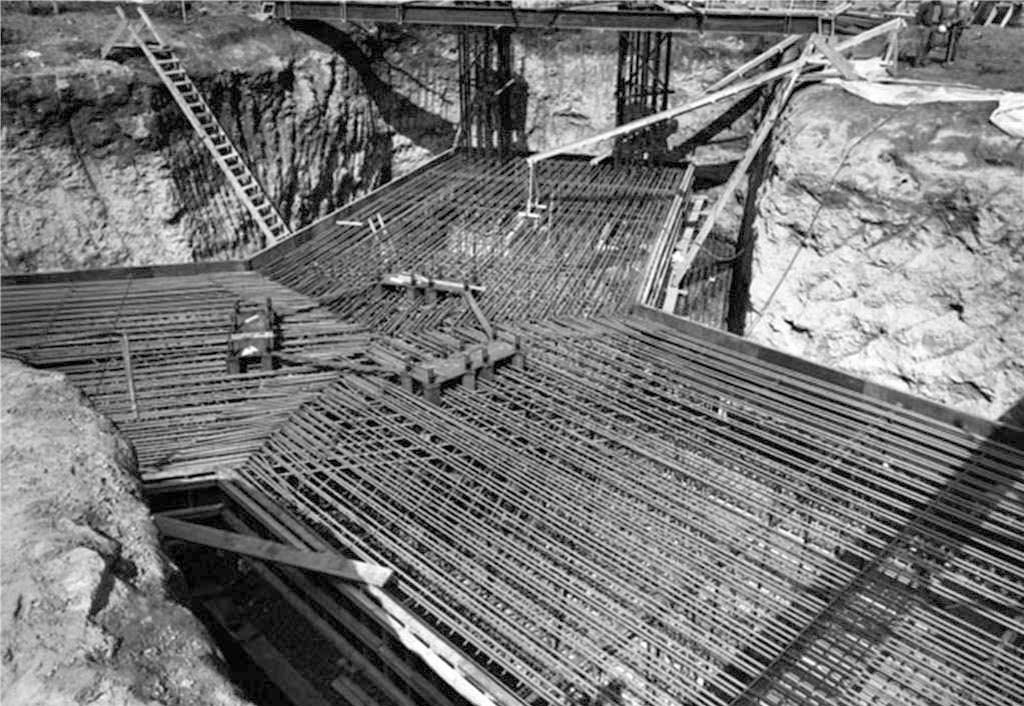
    Space Needle foundation construction

    Underground construction of the Space Needle foundation, 1961 (HistoryLink.org)

    Early construction of Space Needle

    Early stages of Space Needle construction (PBS)

    The Rise of Ready-Mix Concrete in the PNW

    Ready-mix concrete—batched off-site and delivered in trucks—transformed construction after WWII. Companies like Glacier Northwest (now CalPortland, roots in the 1890s Puget Sound gravel supply) expanded into ready-mix, becoming the region’s largest supplier. By the mid-20th century, ready-mix enabled rapid interstate highway builds, urban expansion in Seattle and Portland, and consistent quality for large projects.

    Historical concrete plant construction

    Early 20th-century concrete plant construction scene (representative of PNW industry growth)

    Today, firms like CalPortland and others operate dozens of plants across Washington, Oregon, and beyond, incorporating sustainable practices like recycled aggregates.

    Conclusion

    The post-war era cemented concrete’s role in the PNW’s identity—from powering growth via dams to defining skylines and coastlines. As the region grapples with aging infrastructure and climate resilience, concrete continues to evolve.

    See Part 1 (early history, mega-dams, bridges) and Part 2 (Skagit Project) for the full series.

    History of Concrete in the Pacific Northwest Series
  • The History of Concrete in the Pacific Northwest Part 2 of 6 Series – The Skagit River Hydroelectric Project

    The History of Concrete in the Pacific Northwest Part 2 of 6 Series – The Skagit River Hydroelectric Project

    History of Concrete in the Pacific Northwest – Part 2

    History of Concrete in the Pacific Northwest – Part 2: The Skagit River Hydroelectric Project

    While the Columbia River Basin’s Grand Coulee and Bonneville Dams represent the pinnacle of New Deal-era federal mega-projects, the Pacific Northwest’s concrete legacy also includes a remarkable municipal achievement: Seattle City Light’s Skagit River Hydroelectric Project. Developed between the 1910s and 1960s, this series of three massive concrete dams—Gorge, Diablo, and Ross—transformed the remote upper Skagit River gorge into a powerhouse that still supplies about 20% of Seattle’s electricity today. These dams showcase innovative concrete engineering in one of the most challenging terrains in North America, with steep canyons, heavy rainfall, and frequent natural hazards.

    Origins and Vision: J.D. Ross and Early Planning

    The project traces its roots to 1917, when James Delmage (J.D.) Ross, superintendent of Seattle’s municipal lighting department (later Seattle City Light), secured federal approval to develop hydropower on the Skagit River. Facing rapid urban growth and the limitations of existing sources, Ross envisioned a cascade of dams to harness the river’s immense flow. In 1919, the city approved bonds, and construction infrastructure began: a 25-mile private railroad from Rockport to the gorge to transport materials and workers, bypassing public roads to prevent private utility encroachment.

    The company town of Newhalem sprang up at the railroad’s end, complete with housing, schools, and amenities. Delays plagued early work—floods, avalanches, labor strikes, forest fires, and even workers chasing gold rushes—but the vision persisted.

    Gorge Dam: The First Step (1921–1961)

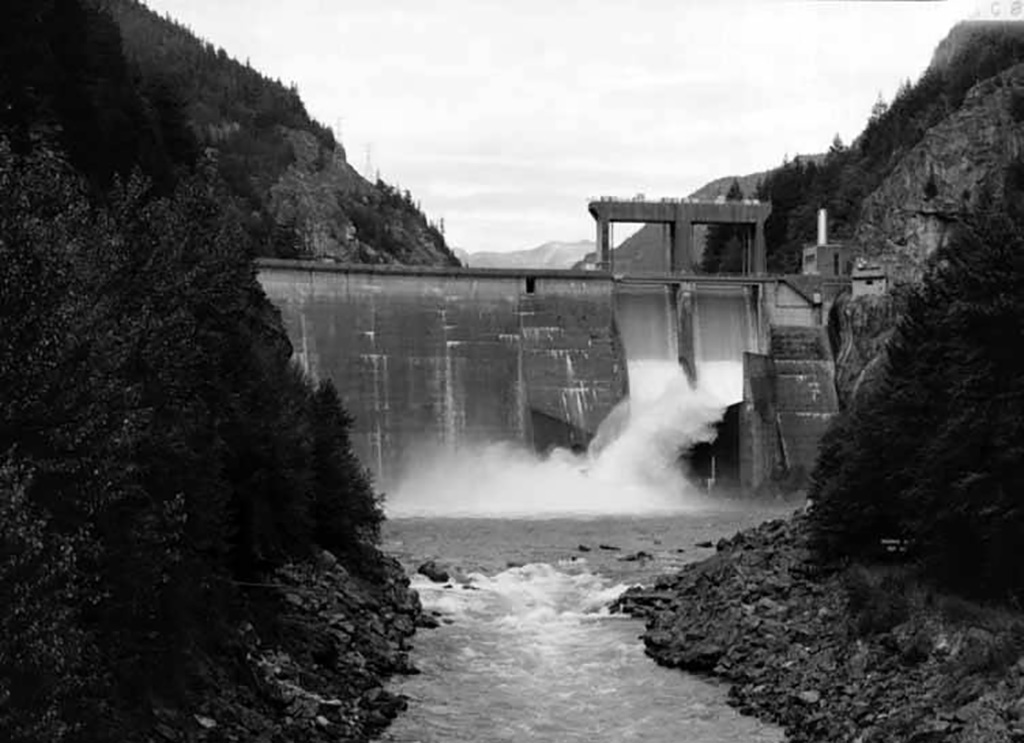
    Construction on the lowest dam, Gorge Dam, began in 1921 downstream near Newhalem. Initially, a temporary wooden crib dam was built due to cost constraints, with plans for a permanent concrete structure later. Power first reached Seattle in September 1924, formally dedicated by President Calvin Coolidge remotely. The original wooden dam was replaced by the concrete Gorge High Dam, completed in 1961—a 300-foot gravity dam that raised the powerhouse capacity significantly.

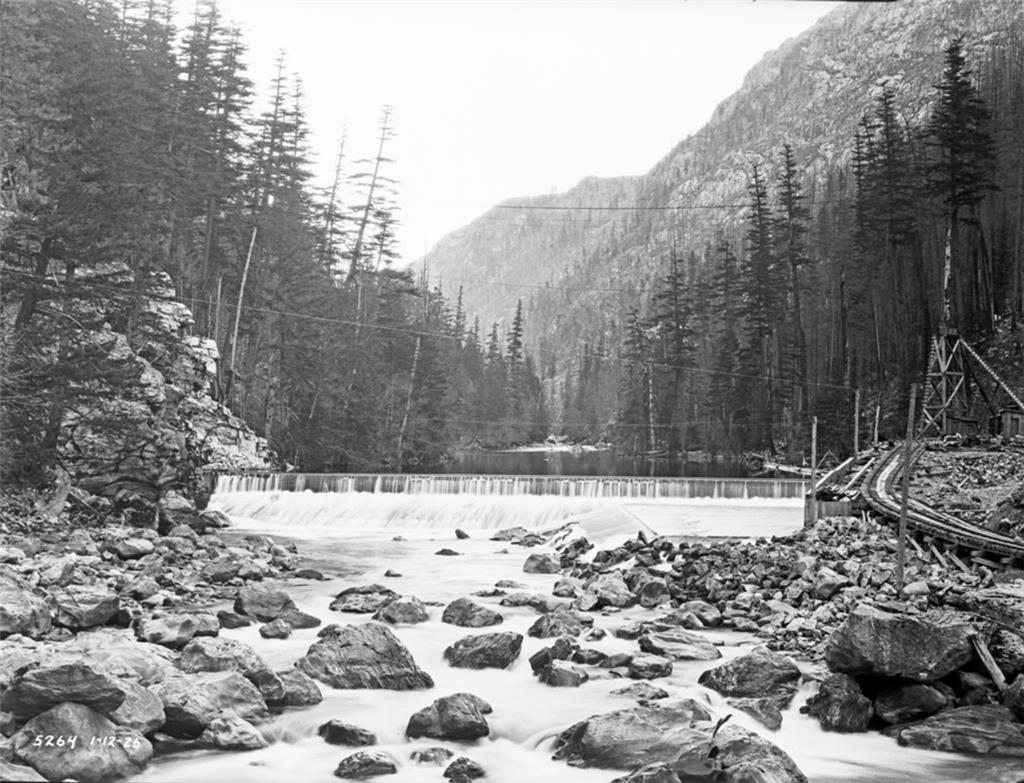
    Gorge High Dam on the Skagit River, completed in 1961 Historic 1926 view of Gorge Dam intake with railroad, Skagit River

    Diablo Dam: The World’s Tallest (1927–1936)

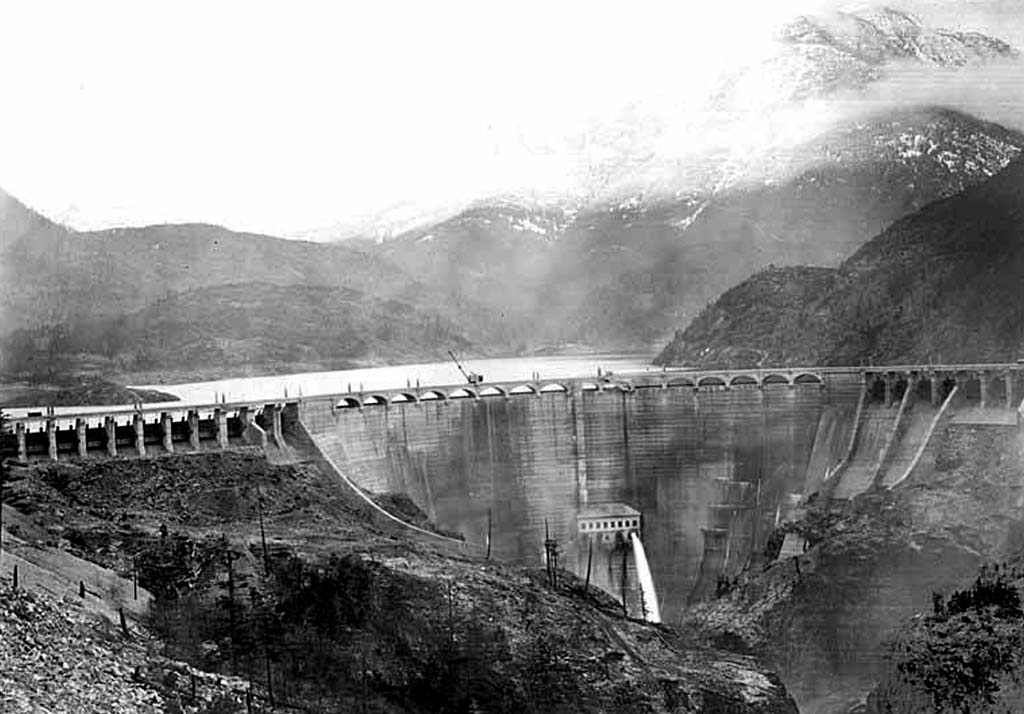
    Work on the middle dam began in 1927, five miles upstream in the narrow Diablo Canyon. This concrete thin-arch dam, completed in 1930, stood 389 feet tall—making it the world’s tallest dam at the time (surpassed soon after by Owyhee Dam in Oregon). Financial woes from the Great Depression delayed the powerhouse until 1936. Innovative features included an incline lift (still operable for tours) to transport equipment from river level to the dam crest, and a barge system on the emerging Diablo Lake.

    Diablo’s turquoise lake became an iconic sight, and the dam exemplified advanced concrete arch design, relying on the canyon walls to bear water pressure.

    Diablo Dam under construction, January 1931 Vintage 1920s real photo postcard of Diablo Dam, Skagit River

    Ross Dam: The Giant Upstream (1937–1949)

    The uppermost and largest dam, originally called Ruby Dam, began construction in 1937. Renamed Ross Dam in 1939 to honor J.D. Ross after his death, this concrete thin-arch structure was built in phases: reaching 305 feet by 1940, then raised further postwar. Final height of 540 feet was achieved by 1949, creating Ross Lake, which extends 23 miles into Canada.

    Controversy arose over plans to raise it further (High Ross proposal), which would flood more Canadian land. After decades of debate, the 1984 treaty with British Columbia capped the height, with Seattle agreeing to purchase power instead.

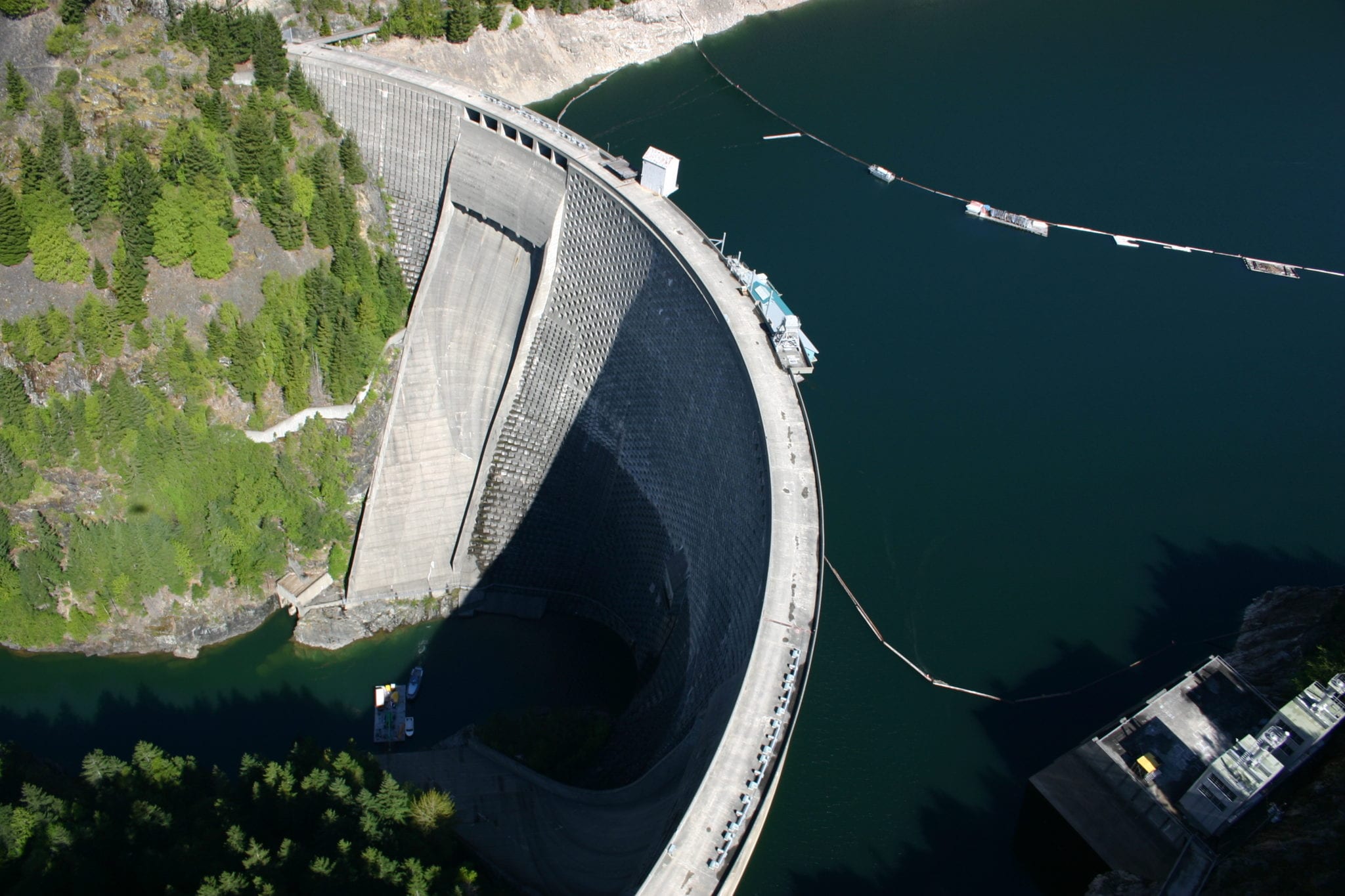
    Ross Dam under construction in 1947 1950 press photo of completed Ross Dam on the Skagit River Modern view of Ross Dam and Ross Lake

    Legacy, Innovations, and Impacts

    The Skagit Project cost over $250 million across decades and pioneered public tours in the 1920s–1930s to build support, including meals at the Gorge Inn, train rides, and incline lifts—traditions revived today as “Skagit Tours.” All three dams are on the National Register of Historic Places.

    Like Columbia Basin dams, the Skagit project altered ecosystems, blocking historic salmon runs above Gorge Dam and affecting flows. Seattle City Light has implemented flow regimes, fish habitat funds, and collaborates with tribes (Upper Skagit, Swinomish, Sauk-Suiattle) and Canadian First Nations for mitigation. The project was the first large hydro facility certified as Low Impact in 2003. Relicensing efforts continue, with the previous license expiring in 2025.

    The Skagit dams highlight municipal innovation in concrete engineering, powering Seattle through growth while navigating environmental and international challenges—a enduring chapter in PNW concrete history.

    For Part 1 of this series (covering early cement towns, Columbia dams, bridges, and modern sustainability), see the previous post.

    History of Concrete in the Pacific Northwest Series
  • The History of Concrete in the Pacific Northwest Part 1 of 6 Series

    The History of Concrete in the Pacific Northwest Part 1 of 6 Series

    History of Concrete in the Pacific Northwest – Part 1

    History of Concrete in the Pacific Northwest – Part 1

    The Pacific Northwest (PNW), encompassing Washington and Oregon, has a storied history with concrete, driven by its abundant natural resources like limestone, aggregates, and rivers. From early cement production booms to monumental public works projects during the Great Depression, concrete has shaped the region’s infrastructure, economy, and landscape. This article explores the evolution of concrete in the PNW, from its humble beginnings in the late 19th century to modern sustainable innovations, while also addressing the environmental impacts of large-scale concrete dams.

    Pre-1900: Early Settlements and Resource Discovery

    Concrete’s roots in the PNW trace back to the 1870s and 1880s, when homesteaders began settling along rivers like the Baker and Skagit. In 1871, pioneers near the Baker River established a community initially called “Minnehaha,” meaning “waterfall” in Dakota. By 1890, the town-site was platted by Magnus Miller, and a post office was set up, adopting the name “Baker.” Early settlers, including Amasa Everett who arrived in 1875, discovered clay and limestone deposits essential for cement production. These resources laid the foundation for the industry’s growth. Lumber mills and the arrival of the Great Northern Railway in 1901 spurred development, but it was the cement boom that truly transformed the area.

    Early 20th Century: The Cement Production Boom and the Town of Concrete

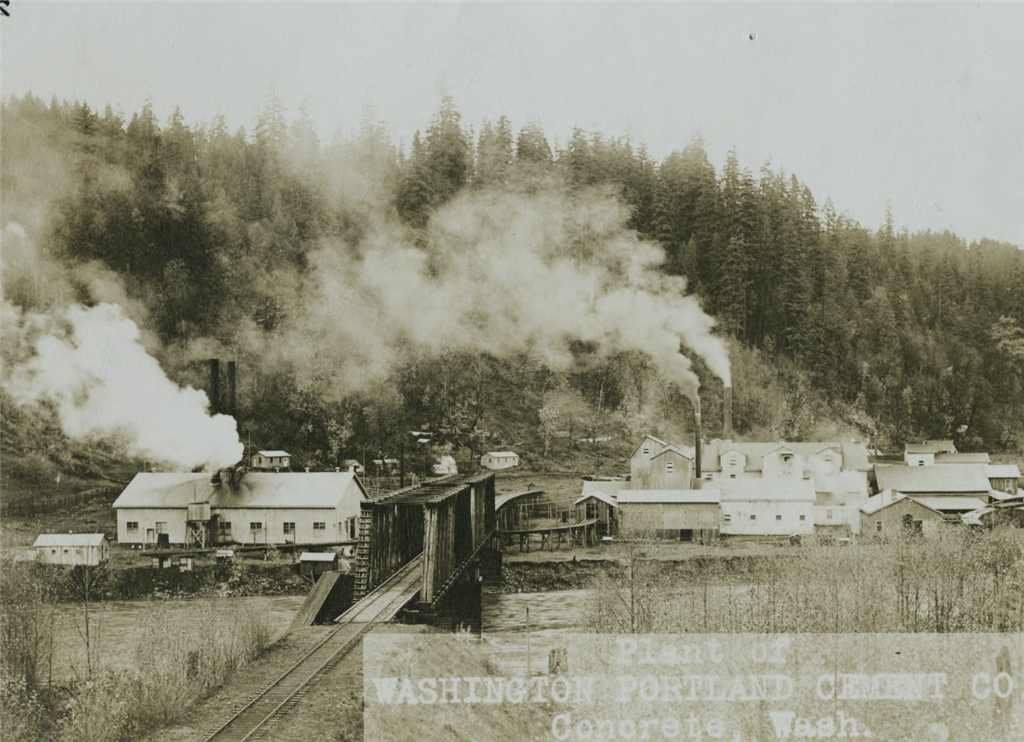
    The early 1900s marked the rise of cement manufacturing in the PNW, exemplified by the town of Concrete, Washington. In 1905, the Washington Portland Cement Company (WPCC) established the state’s first Portland cement plant on the east bank of the Baker River, producing cement by 1906 from local limestone quarries. This led to the formation of “Cement City.” In 1908, the Superior Portland Cement Company (SPCC) built a rival plant on the west bank in Baker, shipping its first cement that year. By 1909, the two communities merged and incorporated as Concrete, with a population of about 1,200. Daniel Dougal Dillard became the first mayor.

    The plants employed hundreds, peaking at 160–200 workers, producing up to 5,200 barrels daily. Infrastructure followed: a county bridge in 1906, electric lights and water systems by SPCC in 1909-1910, and the Concrete District School in 1910. Fires in 1915 and the 1920s destroyed wooden structures, leading to concrete rebuilds for fire resistance. SPCC acquired WPCC in 1919, becoming the largest cement producer on the Pacific Coast. Production continued until 1969, when dust pollution, high costs, and air quality regulations forced closure. The stacks were demolished in 1973, and sites repurposed into parks like Silo Park.

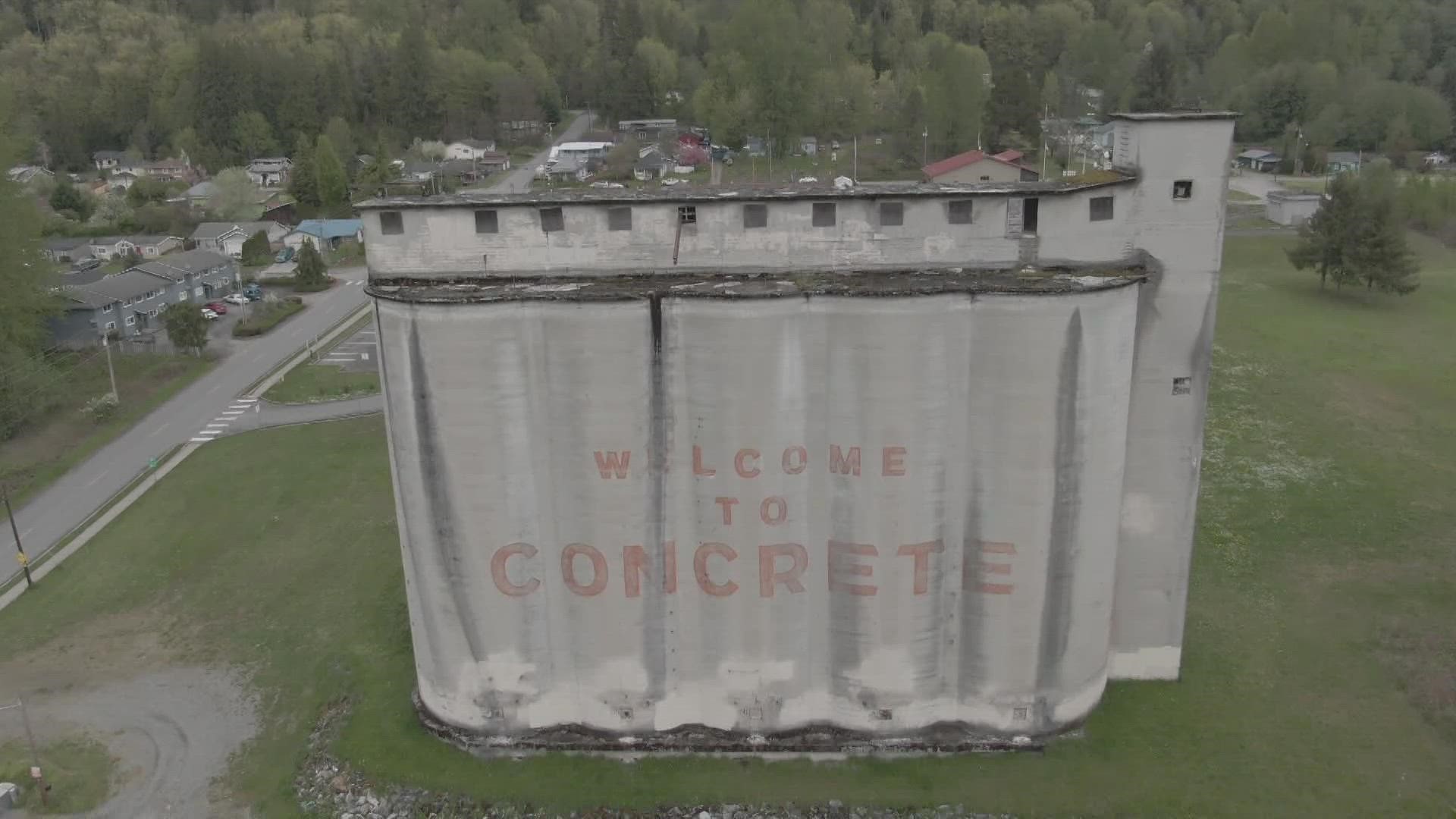
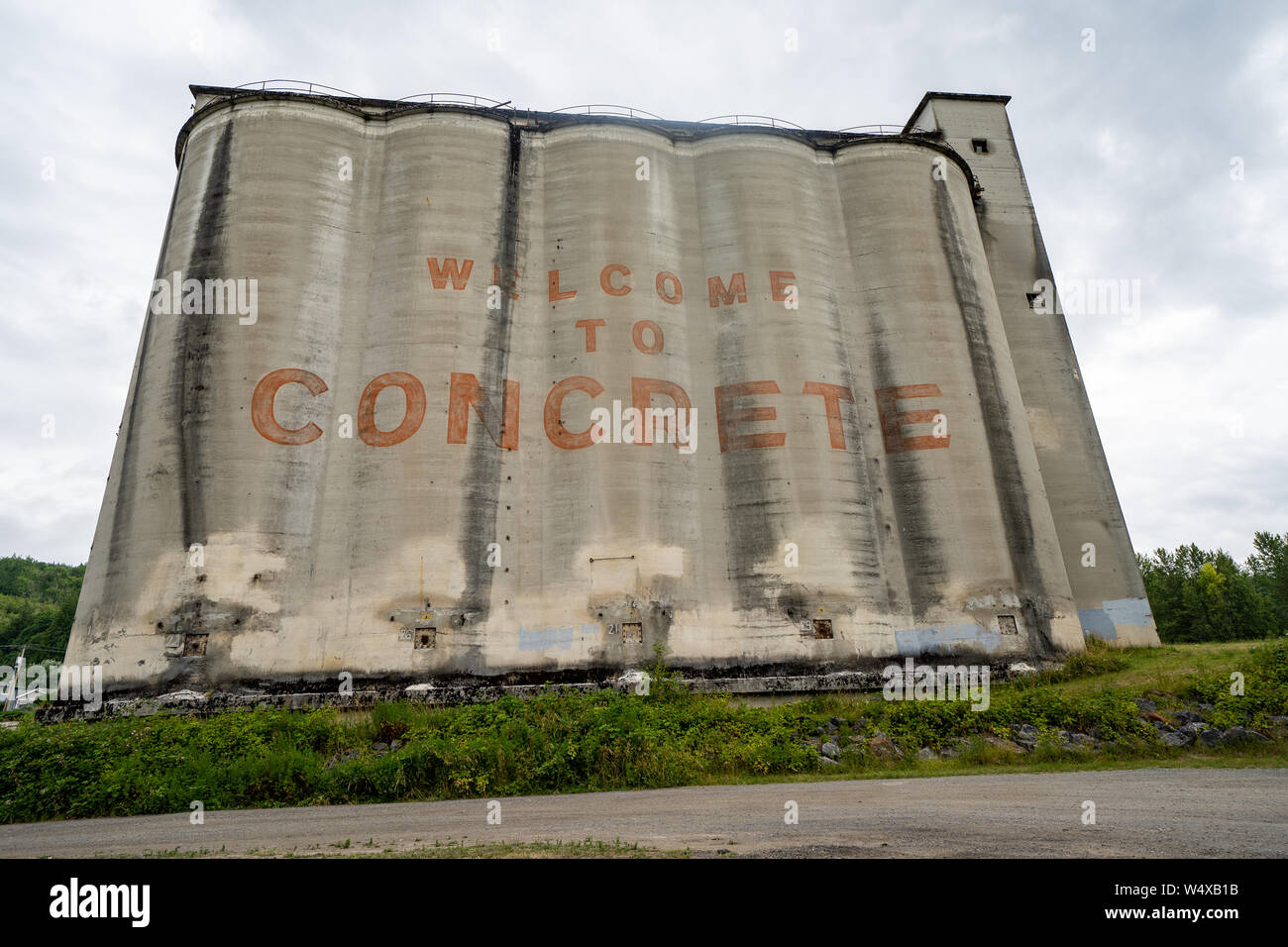
    Population peaked at 1,200 in 1909 but declined post-industry to under 800 by 2020 (797 in the latest census). The town features historic structures like the Henry Thompson Bridge (1916-1918, once the world’s longest single-span concrete bridge), the Concrete Theatre (1923), and the old town hall (1908). The silos, painted “Welcome to Concrete” for the 1993 film This Boy’s Life, remain iconic.

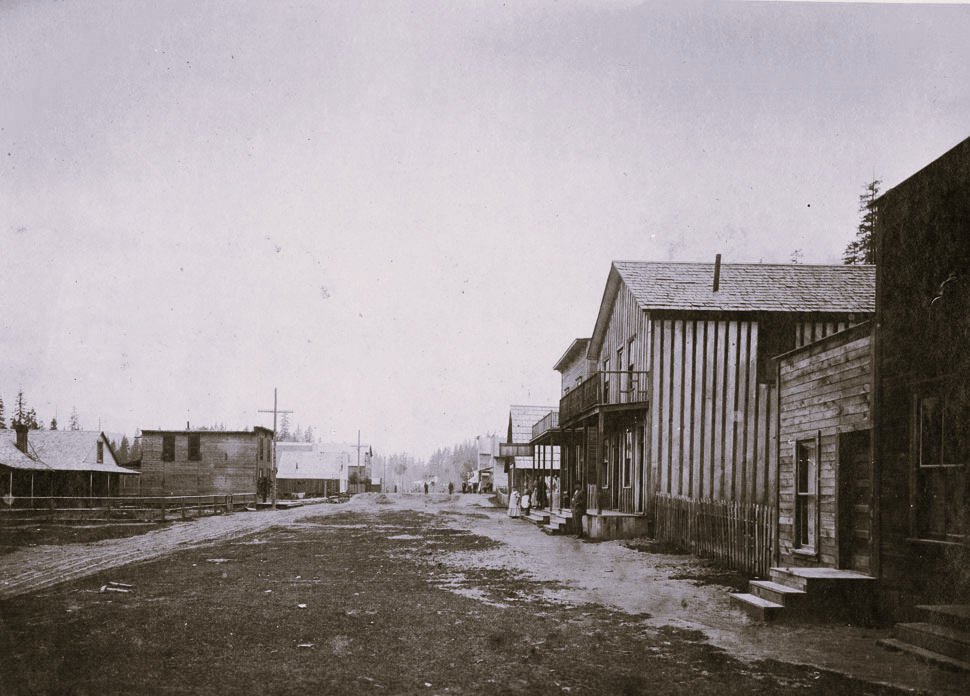
    Main Street in Concrete, Washington, circa 1908

    Main Street in Concrete, Washington, circa 1908 (Courtesy HistoryLink.org)

    Washington Portland Cement Plant in Concrete, Washington

    Early view of the Washington Portland Cement Plant in Concrete, Washington (Courtesy HistoryLink.org)

    Iconic 'Welcome to Concrete' silos in Concrete, WA

    Iconic “Welcome to Concrete” silos, a landmark made from the town’s historic cement structures

    Welcome sign on silos in Concrete, Washington

    Another view of the famous silo welcome sign in Concrete, Washington

    1930s–1940s: The Era of Mega-Dams

    The Great Depression catalyzed massive concrete projects under the New Deal, focusing on hydropower, flood control, and irrigation. These dams employed thousands and powered WWII industries like aluminum production.

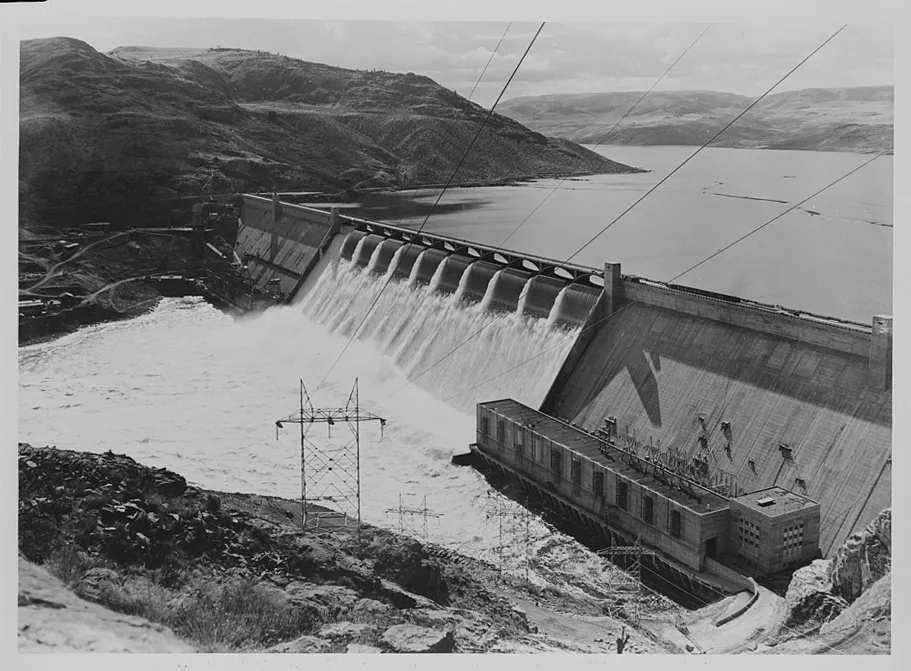
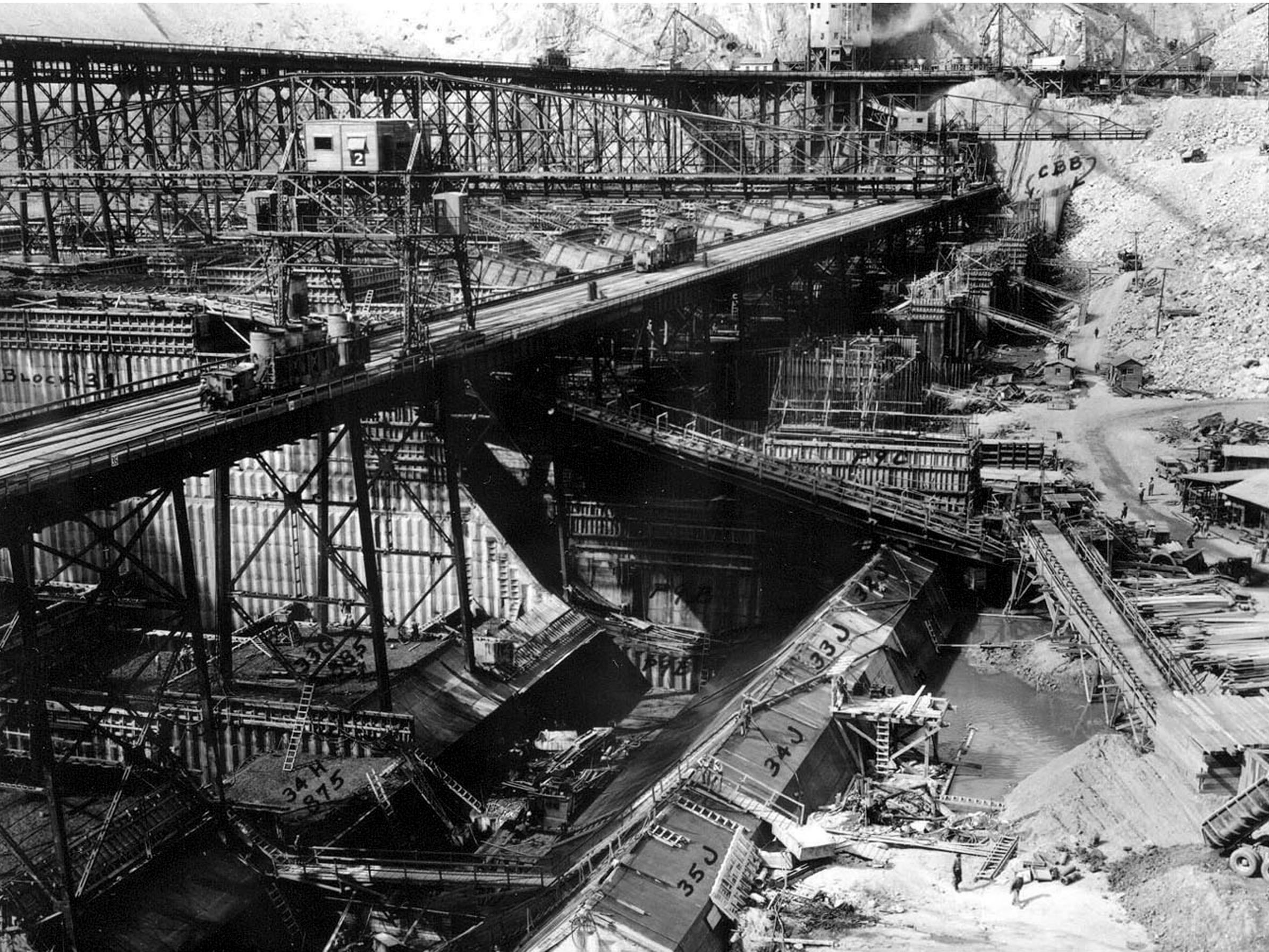
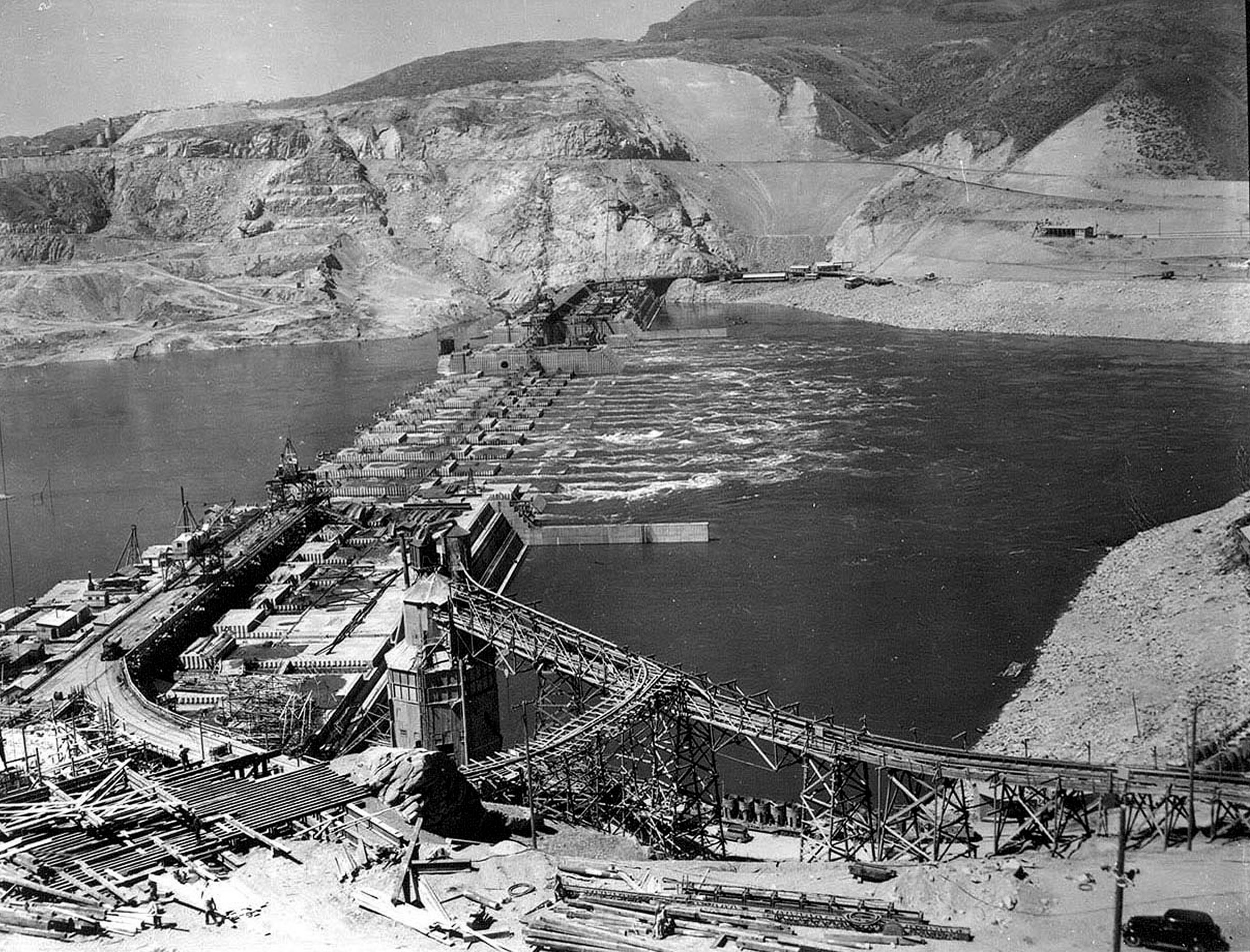
    Grand Coulee Dam (1933–1942, Eastern Washington): The largest concrete structure in the U.S. upon completion, it used nearly 12 million cubic yards of concrete—three times that of Hoover Dam. Construction began in 1933, involving land clearing, town relocations, and WPA camps. Key innovations included cooling pipes to manage curing heat and on-site batching plants. It remains the nation’s top hydropower producer, generating about 1,000 average megawatts annually.

    Grand Coulee Dam under construction, historical view

    Workers and equipment during Grand Coulee Dam construction (Bureau of Reclamation)

    Historical construction scene at Grand Coulee Dam

    Massive scale of concrete pouring at Grand Coulee Dam (Smithsonian Magazine)

    Another historical photo of Grand Coulee Dam construction

    Early stages of Grand Coulee Dam construction (Bureau of Reclamation)

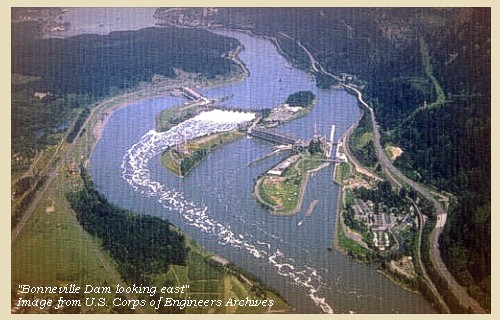
    Bonneville Dam (1933–1937, Columbia River near Portland): A gravity dam key for navigation and power, it began generating electricity in 1938. Construction involved over 3,000 workers and was a Depression-era success. The first powerhouse was completed in 1938, making it the oldest in the Federal Columbia River Power System.

    Aerial view of Bonneville Dam area, circa 1938

    Aerial view of Bonneville Dam area, circa 1938

    Historical view of Bonneville Dam

    Bonneville Dam on the Columbia River (U.S. Army Corps of Engineers)

    Mid-20th Century: Bridges, Urban Growth, and Post-WWII Expansion

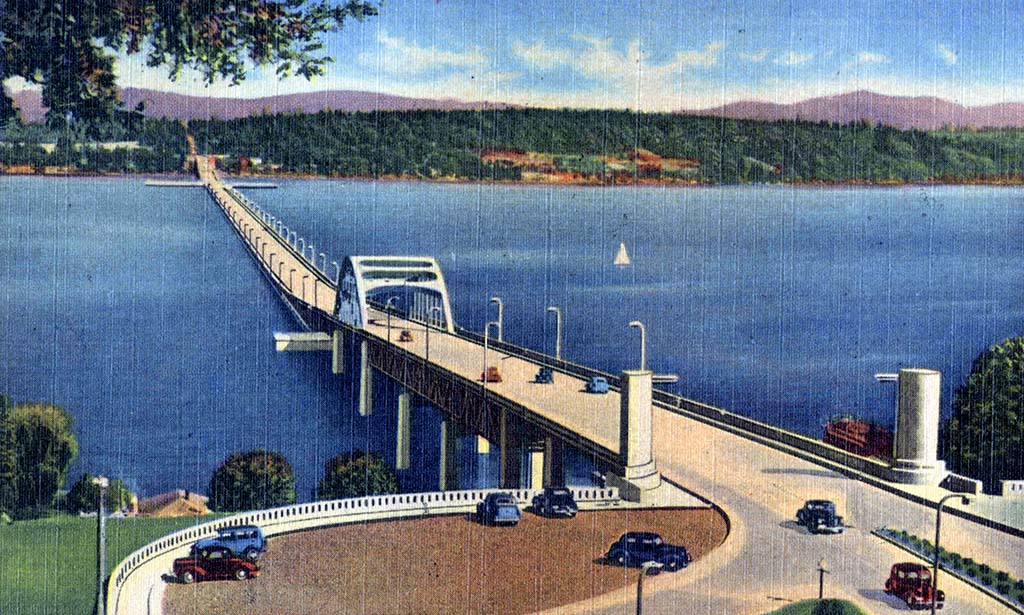
    Post-WWII, concrete facilitated urban expansion. The Lake Washington Floating Bridge (Lacey V. Murrow Memorial Bridge, 1940) was revolutionary: the world’s first major reinforced-concrete pontoon floating bridge. Proposed by Homer Hadley in 1921, it used 25 pontoons (350 feet long, 60 feet wide) with watertight cells, anchored in deep water. Opened July 2, 1940, it saved 14 miles of travel. Renamed in 1967, it sank partially in 1990 due to storm damage but reopened in 1993.

    Lacey V. Murrow Memorial Bridge circa 1940

    The original Lake Washington Floating Bridge shortly after opening, circa 1940 (Courtesy HistoryLink.org)

    Modern view of the Lacey V. Murrow Memorial Bridge

    Modern aerial view of the I-90 floating bridges, including the Lacey V. Murrow Memorial Bridge

    Companies like Glacier Northwest (now CalPortland) expanded ready-mix supply for Seattle and Portland’s growth. Early concrete skyscrapers in Seattle, like those in the 1910s-1920s, showcased regional innovations in high-rise construction.

    Modern Era: Innovations in Sustainable Concrete

    Today, the PNW leads in greener concrete to combat cement’s 8% contribution to global CO2 emissions. Innovations include:

    • Granulated slag from steel mills replacing Portland cement in projects like the Seattle Storm’s facility and Amazon Spheres.
    • Algae-based substitutes for limestone in Microsoft data centers.
    • Carbon-negative cement using biochar from Washington State University.
    • Eco Material Technologies’ Lakeview, Oregon plant producing 300,000 tons/year of low-carbon alternatives.
    • Solid Carbon’s use of processed sewage as a sand replacement.

    These advancements support sustainable building in high-demand areas like Sound Transit’s rail expansions.

    Environmental Impacts: The Double-Edged Sword of Concrete Dams

    While concrete dams brought economic benefits, they devastated ecosystems. Over 400 dams in the Columbia Basin block fish migration, slowing flows and raising temperatures, causing up to 50% juvenile salmon mortality. Salmon populations have declined 90%, costing $14 billion in recovery efforts. The U.S. government acknowledged harms to tribes in 2024. Dam removals, like on the Elwha River (2011), have restored habitats, increasing salmon returns. Proposals to breach Lower Snake River dams could quadruple Chinook Salmon populations, with energy offsets via renewables.

    Conclusion

    Concrete has been integral to the PNW’s development, from cement towns to iconic dams and bridges. As the region moves toward sustainability, balancing innovation with environmental stewardship remains key.

    For Part 2 of this series (covering the Skagit River Hydroelectric Project), see the next post.

    History of Concrete in the Pacific Northwest Series
  • State Job Boards: Find Construction & Concrete Jobs Near You

    Concrete & Construction Jobs 2026 – All 50 States (Search + Filter)

    Search by state name • Filter by link type • Updated December 2025

  • Concrete Industry Jobs 2026: How It Works, What It Pays, and How to Get Hired Fast

    Concrete Industry Jobs 2026: How It Works, What It Pays, and How to Get Hired Fast

    The Concrete Industry in 2026: Your Guide to Landing a Job and Building a Career
    ★★★★★★★★★★★★★★★★

    The Concrete Industry
    in 2026

    Your Roadmap to Jobs, Skills, and a Lifelong Career

    Why Concrete? A Recession-Proof Path for Job Seekers

    If you’re graduating, switching careers, or just need steady work, the concrete industry employs over 600,000 Americans and is growing. It’s hands-on, pays well from day one, and teaches skills that last a lifetime—like pouring concrete, which opens doors everywhere from roads to residential builds.

    In 2026, entry-level jobs start at $18–$25/hour. With 6 months of experience, you’re at $30+—and it’s all learnable on the job.

    How the Industry Works: From Raw Materials to Finished Projects

    1
    Raw Extraction (Quarries)
    2
    Cement Production (Kilns)
    3
    Mixing & Delivery (Batch Plants)
    4
    Placement & Finishing (Jobsites)
    5
    Infrastructure That Lasts

    The process starts in quarries where sand and stone are mined, moves to factories for cement, then to plants where mixes are batched. Trucks deliver to sites for pouring. Trends like green cement and recycled aggregates are big in 2026, creating new roles in sustainability.

    The Ecosystem: Types of Employers and What They Do

    Employer TypeRole in the IndustryTypical Job Openings
    Cement ManufacturersProduce the core binder for concretePlant operators, lab techs, truck loaders
    Aggregate SuppliersMine and process sand/gravelEquipment operators, crushers, haulers
    Ready-Mix OperationsBatch and deliver fresh concreteDrivers, dispatchers, batchers
    Construction ContractorsPour and finish on-siteLaborers, finishers, foremen
    Trade AssociationsSet standards, provide trainingInspectors, educators, coordinators

    Jobs in 2026: What’s Available and What You Need to Know

    🛠️

    Concrete Laborer

    $18–$28/hr

    Entry-level: Form building, pouring, basic finishing. No experience? Start here.

    🚚

    Mixer Truck Driver

    $25–$40/hr

    CDL required. Deliver mixes—lots of OT, union perks in many areas.

    🔬

    Quality Tester

    $22–$35/hr

    Test slump, air content. ACI cert gets you in—great for detail-oriented folks.

    📋

    Batch Plant Operator

    $24–$38/hr

    Mix recipes on computers. Learn fast—stable shifts, room to advance.

    👷‍♂️

    Finisher/Foreman

    $30–$50/hr

    Lead crews, smooth surfaces. Lifelong skill—master this and work anywhere.

    📈

    Project Estimator

    $60K–$110K

    Calculate bids. 2–4 years experience + software skills = big pay jump.

    Why Pouring Concrete Is a Skill for Life

    It’s not just a job—it’s a trade. Once you know how to read a mix ticket, set forms, pour level, and finish smooth, you’re employable nationwide. Hard workers advance fast: From laborer to foreman in 2–5 years, owning your own crew in 10. Weatherproof, essential, and always needed—America runs on concrete.

    How to Get Started: Practical Steps for Job Seekers

    • Build Basics: Take a free ACI online course or community college class in concrete basics.
    • Network Locally: Visit job fairs, unions (e.g., Laborers’ International), or state DOT events.
    • Apply Smart: Search Indeed/LinkedIn for “concrete laborer” or “ready-mix driver” in your area. Walk into plants and ask—many hire on the spot.
    • Get Certified: ACI Field Testing ($200, one day) or OSHA 10 ($50 online) makes your resume pop.
    • Long Game: Aim for apprenticeships—paid training to $100K+ careers.
    Pro Tip: Show up early, work hard, ask questions. The industry rewards grit over degrees.

    Conclusion: Concrete Is More Than a Job—It’s a Foundation

    For job seekers in 2026, this industry offers immediate work, growth, and pride in building America. Start small, learn the pour, and watch your career solidify.

    🦅

    Updated December 2025 • Insights for American Job Seekers

    Go to the JOB BOARD

  • Self-Healing Concrete
The American Concrete Revolution of 2026

    Self-Healing Concrete The American Concrete Revolution of 2026

    Self-Healing Concrete: The 2026 American Breakthrough
    ★★★★★★★★★★★★

    Self-Healing Concrete
    The American Concrete Revolution of 2026

    Proudly Updated for the 2026 Construction Season

    Concrete That Heals Itself – The Future Is Coming Fast

    American engineers are building concrete that literally fixes its own cracks. From interstate bridges to parking garages, self-healing concrete is set to save billions in repairs while making our infrastructure tougher than ever.

    How It Works – Three American-Born Technologies

    1. Bacterial Healing (Living Concrete)

    U.S.-developed bacteria lie dormant in the mix. Water hits a crack → bacteria wake up → produce natural limestone → crack disappears. Latest 2025 trials show up to 95% crack closure and 90% strength recovery.

    2. Microcapsule Healing

    Tiny capsules rupture when a crack forms and release polymer glue that bonds in minutes. New designs lose less than 5% of compressive strength while healing cracks up to 0.020 in.

    3. Mineral Healing

    Modern versions of the same lime chemistry that kept Roman concrete standing for 2,000 years – now refined in American labs.

    Important Note from Volume Concrete:
    These cutting-edge self-healing systems are still in pilot and research phases across the U.S. We do not currently offer self-healing concrete mixes, but we’re watching the technology closely and will be ready the moment it’s proven and commercially available at scale.

    Why It Matters for American Infrastructure

    • Up to 50% longer service life for bridges and highways
    • Cuts repair costs that currently eat billions of taxpayer dollars every year
    • Reduces CO₂ emissions by 20–30% through fewer rebuilds
    • Perfect for harsh Northwest winters and salt-heavy roads
    When self-healing concrete goes mainstream, Volume Concrete will be first in line to bring it to Portland jobsites – because American infrastructure deserves American innovation.

    Where Things Stand in 2026

    Right now, self-healing concrete is being poured in FHWA test sections, university research projects, and a handful of high-profile pilot buildings. Full commercial rollout is expected in the next 2–5 years. When it’s ready for everyday use, you’ll hear it from us first.

    Proud to Keep You Ahead of the Curve

    The Bottom Line

    The future of concrete is here – and it’s American-made. Until self-healing mixes are ready for your driveway or warehouse floor, rest assured Volume Concrete is still delivering the strongest, most durable traditional and high-performance mixes in the Portland metro area.

    Got questions about tomorrow’s concrete today? Give us a call – we love talking about this stuff.

    🦅

    Volume Concrete LLC – Proudly American-Owned & Operated in Portland, Oregon
    Updated December 2025 | Watching the future so you don’t have to
    Built Strong. Built Here. Built to Last.

  • The Evolution of Concrete: Interactive Timeline of American Innovations | Volume Concrete

    🇺🇸 The Evolution of Concrete: Interactive Timeline of American Innovations

    Welcome to Volume Concrete’s interactive learning experience! Dive into the fascinating history of concrete, with a spotlight on groundbreaking American innovations that have shaped our nation’s infrastructure. Click on the red dots along the timeline to reveal details about each milestone. From ancient roots to modern marvels, discover how concrete has built the backbone of America – strong, resilient, and forward-thinking.

    Proudly Serving America’s Builders Since 1985
    1824: Portland Cement Invention

    While invented in England by Joseph Aspdin, Portland cement quickly crossed the Atlantic, laying the foundation for U.S. mass production in the 1870s. This “artificial stone” revolutionized building, enabling stronger, more durable structures across America.

    1889: First U.S. Reinforced Concrete Bridge

    Ernest L. Ransome builds the Alvord Lake Bridge in San Francisco – America’s first reinforced concrete bridge. This innovation combined steel and concrete for unmatched strength, paving the way for skyscrapers and highways.

    1891: First Concrete Street in America

    George Bartholomew pours the nation’s first concrete street in Bellefontaine, Ohio. Testing at 8,000 psi, it still stands today – a testament to American ingenuity and the durability that Volume Concrete delivers in every pour.

    1930: Air-Entraining Agents

    Invented in the U.S., these additives create microscopic air bubbles in concrete, improving freeze-thaw resistance. Essential for harsh American winters, this breakthrough extended concrete’s lifespan in roads and bridges nationwide.

    1936: Hoover Dam Completion

    An American engineering icon, the Hoover Dam used over 3 million cubic yards of concrete – the largest pour at the time. It powered the West and showcased U.S. capability in massive infrastructure projects.

    1956: Interstate Highway System

    President Eisenhower’s vision launches the largest public works project in history, using billions of tons of concrete. This network connected America, boosting economy and mobility – a legacy Volume Concrete continues today.

    1970s-80s: High-Performance Additives

    U.S. innovations like superplasticizers, silica fume, and fiber reinforcements create stronger, more workable concrete. These advancements enable taller buildings and sustainable designs in modern American cities.

    2006: Self-Healing Concrete

    Developed with U.S. research contributions, this smart concrete uses bacteria or capsules to auto-repair cracks. It’s revolutionizing durability for future infrastructure, reducing maintenance costs for American projects.

    Today & Beyond: Sustainable Concrete

    At Volume Concrete, we’re leading with low-carbon mixes like Type IL cement and recycled aggregates. American innovations in carbon capture and AI-optimized designs promise a greener future for our nation’s builds.

    What did you learn from this timeline? Concrete isn’t just material – it’s the story of American progress. Ready to build your next project with Volume Concrete’s expert ready-mix? Contact us today for a quote!

  • The Perfect Driveway Calculator

    American Builder: Driveway & Apron Estimator

    ★ American Concrete Estimator ★

    Professional Grade | Built to Last | Patriotic Service

    1. The Main Driveway

    2. The Approach / Apron

    This is the widened entry connecting to the roadway. Note: Most cities require this section to be at least 6 inches thick.

    3. Mix Specs & Performance Upgrades

    Increase Longevity & Performance:

    We proudly use high-quality additives. Learn more at VolumeConcrete.com

    $ 4. Material Pricing (PNW Estimates)

    Adjust these rates based on current local supplier pricing.

    $
    $
    $
    $
    $
    DISCLAIMER: These prices are rough estimates based on Pacific Northwest averages. Actual costs will vary by ready-mix supplier, delivery distance, and specific site conditions. This is a materials estimation tool, not a binding contract.

    Project Summary

    0 Total Sq. Ft.
    0 Concrete (Cu. Yards)
    0 Base (Tons)
    Estimated Material Cost
    $0.00
    (Includes 10% safety margin on volume)
  • How Many Bags of Concrete Do I need for DIY? Spam Free

    Concrete Calculator

    Estimate bags & yardage instantly

    Slab / Square
    Post Hole / Round
    Length
    Width
    Thickness (Inches)
    Total Volume Needed 0.00 Cubic Yards
    80lb Bags
    0
    60lb Bags
    0
    50lb Bags
    0
    40lb Bags
    0
    *Calculations include 10% safety margin for waste.
  • Concrete Truck Driving Game – DELIVERY CHALLENGE

    Best played on a desktop.

    Cement Rush: Delivery Challenge

    CEMENT RUSH: DELIVERY CHALLENGE

    WELCOME TO CEMENT RUSH
    Test your heavy vehicle driving skills!
    CLICK TO BEGIN
    SCORE: 0 HIGH: 0

    MISSION OBJECTIVE

    • **COLLECT:** Drive over the Orange Barrels to fill your concrete Load Meter. (Load affects speed!)
    • **DELIVER:** Once Load is 100%, a large Green Delivery Zone appears. Drive inside to dump your load for a major point bonus.

    CONTROLS & RISKS

    • **DRIVE:** Use **WASD** or **Arrow Keys**. (Or on-screen buttons below).
    • **AVOID:** Colliding with **Grey Buildings** (Obstacles).
    • **AVOID:** Colliding with **Red Traffic** (Moving Vehicles).