Author: Volume Concrete

  • Structural and non-structural cracks in concrete – know the difference

    Structural and non-structural cracks in concrete – know the difference

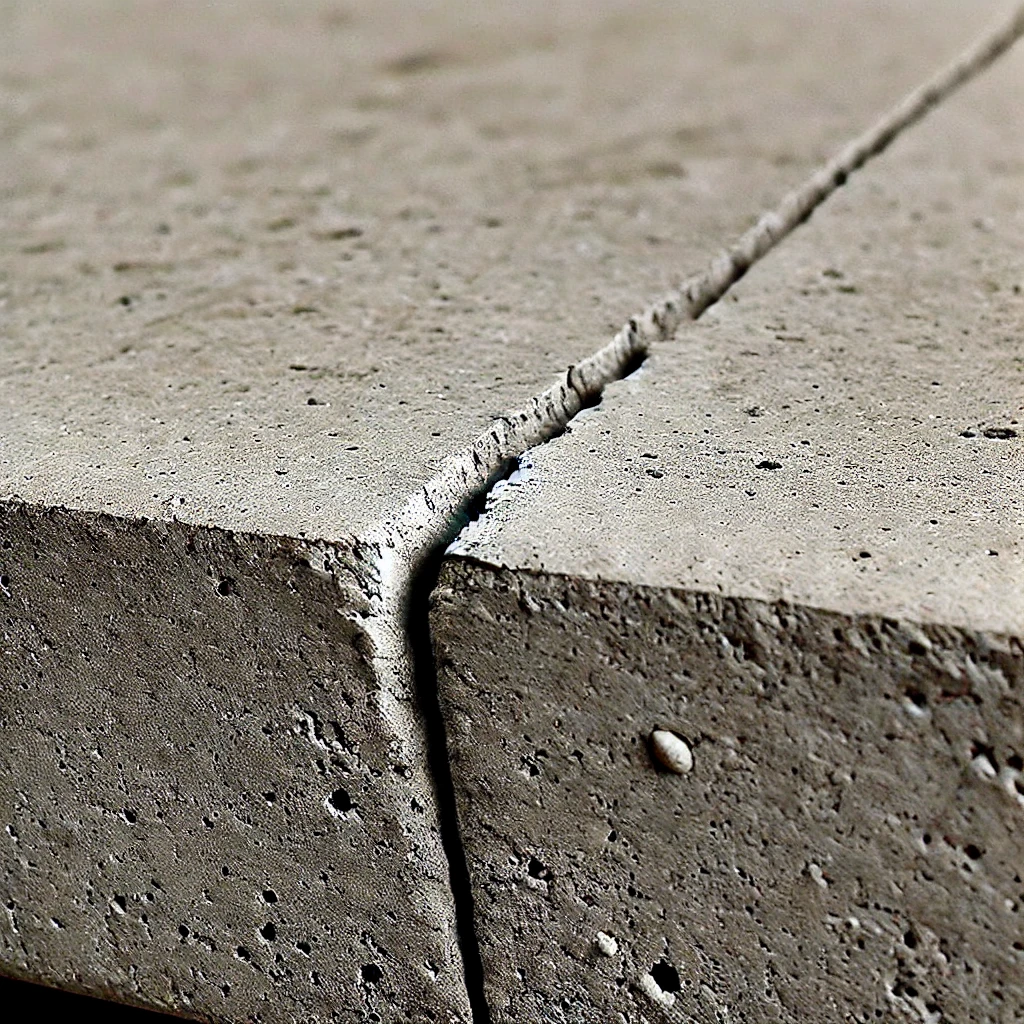
    Structural and non-structural cracks in concrete differ primarily in their causes, implications, and the urgency of their repair.

    Structural Cracks:

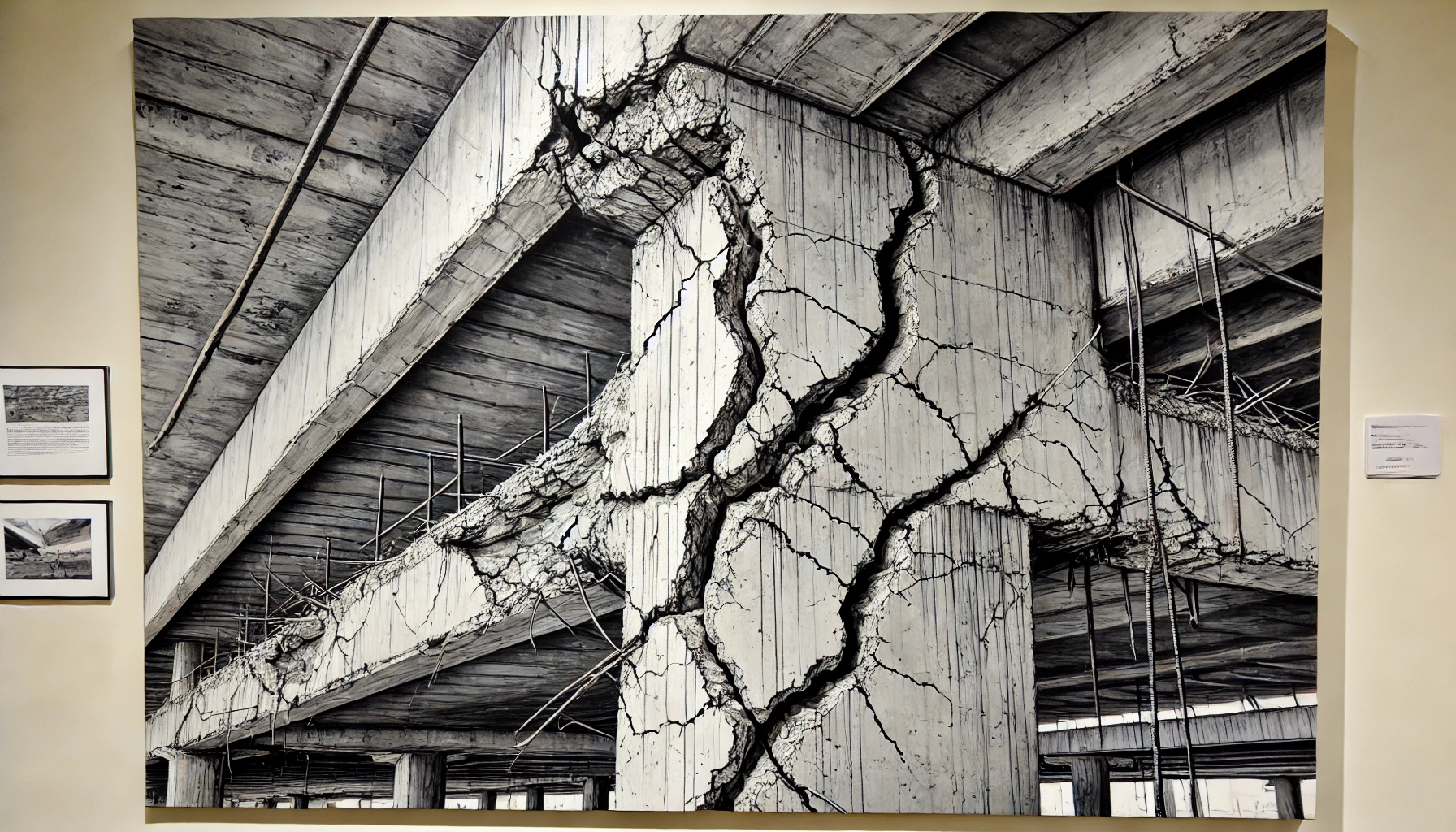
    1. Causes: These are typically caused by external loads, seismic activities, vibrations, or excessive force exceeding the concrete’s capacity. They can also result from design flaws, foundation settlement, or poor construction practices.
    2. Implications: Structural cracks directly affect the structural integrity of the concrete element. They can compromise the load-bearing capacity, leading to potential failure or collapse if not addressed promptly.
    3. Examples: Flexural cracks in beams, shear cracks in slabs, torsional cracks, and cracks due to foundation settlement.
    4. Repair Urgency: Repairs are usually urgent and essential to restore the structural integrity and safety of the structure.

    Non-Structural Cracks:

    1. Causes: These cracks are usually due to factors such as thermal expansion and contraction, plastic shrinkage, drying shrinkage, and minor settlement. They can also result from chemical reactions within the concrete, like alkali-silica reaction.
    2. Implications: Non-structural cracks primarily affect the appearance and durability of the concrete. They may not pose an immediate threat to the structural integrity but can lead to problems like water ingress, corrosion of reinforcement, and reduced durability if left unaddressed.
    3. Examples: Crazing, map cracking, plastic shrinkage cracks, and drying shrinkage cracks.
    4. Repair Urgency: Repairs may not be immediately necessary but should be planned to prevent future damage and maintain the aesthetic and durability of the concrete.

    Summary Table:

    FeatureStructural CracksNon-Structural Cracks
    CausesExternal loads, seismic activity, design flawsThermal changes, plastic and drying shrinkage, minor settlement
    ImplicationsCompromise structural integrity, potential collapseAffect appearance, can lead to durability issues
    ExamplesFlexural cracks, shear cracks, foundation settlement cracksCrazing, map cracking, shrinkage cracks
    Repair UrgencyUrgent and essentialLess urgent, but necessary to prevent future damage
  • Cracks in Concrete

    Cracks in Concrete

    Cracks in concrete are a common issue influenced by various factors. According to Layang (2022), cracks are unavoidable but can be controlled in size. They are categorized into non-structural and structural types, caused by factors ranging from material properties to external loads. Abou-Zeid et al. (2007) explain that cracks can signify both minor and major structural issues, emphasizing the importance of addressing the underlying causes to ensure durable repairs. Uno (2011) highlights that cracks in freshly placed concrete have been a persistent problem since ancient times, with steel reinforcement only mitigating but not eliminating the issue. Reinhardt and Walraven (1982) focus on cracks due to shear stress, finding that concrete quality and reinforcement ratio significantly influence crack behavior. Lastly, Cockerell (2005) introduces a method to deliberately form cracks using specific tools to control the location and nature of cracks in concrete slabs. See our Policy regarding Cracks.

    A hairline fracture in a concrete slab is a very thin crack that typically does not affect the structural integrity of the slab. These fractures can occur due to several reasons, including shrinkage during the curing process, thermal expansion and contraction, or minor settling of the foundation. While often considered minor, it is essential to monitor these cracks to ensure they do not expand or indicate more significant underlying issues.

    Serial NumberPaper TitleInsightCitation Count
    1Cracks in reinforced concrete beam (Samuel Layang, 2022)Discusses the types and causes of cracks in concrete beams and their impact on structural integrity.
    2Causes, Evaluation, and Repair of Cracks in Concrete Structures (Abou-Zeid et al., 2007)Highlights the various causes of cracks and the importance of addressing them for long-term repair.68
    3Cracks in freshly placed concrete (Paul Uno, 2011)Explores the historical persistence of cracks in concrete and the limited role of steel reinforcement.2
    4Cracks in Concrete Subject to Shear (Reinhardt & Walraven, 1982)Examines shear-induced cracks and the factors affecting their behavior, including concrete quality and reinforcement.47
    5Method and apparatus for forming cracks in concrete (Allan David Cockerell, 2005)Describes a method for controlled crack formation in concrete slabs using specific tools.9
  • Type IL cement exhibits improved resistance to chemical attacks compared to traditional Portland cement

    Type IL cement exhibits improved resistance to chemical attacks compared to traditional Portland cement

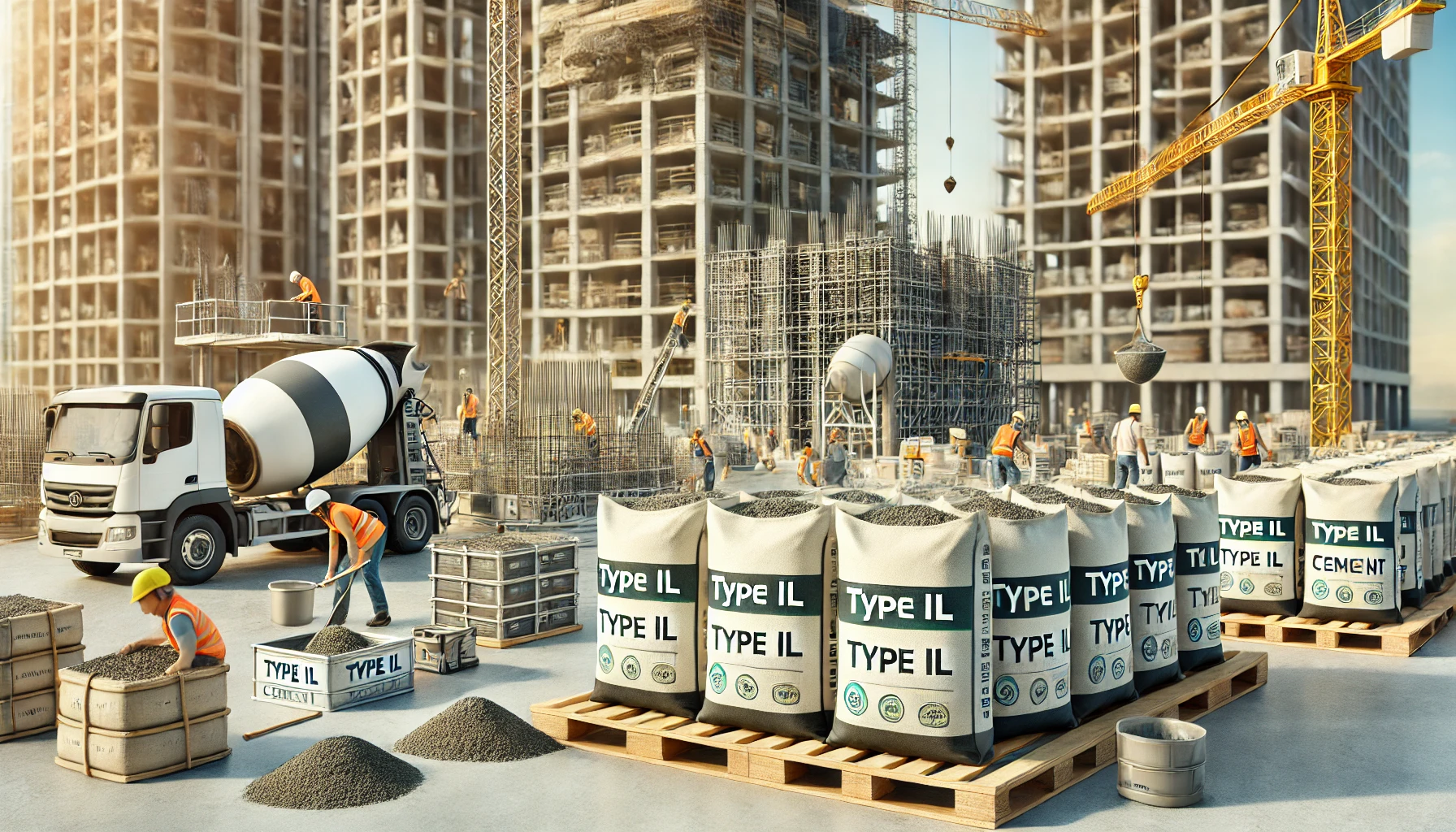
    Type IL cement exhibits improved resistance to chemical attacks compared to traditional Portland cement (Type I), primarily due to its composition and the incorporation of additional materials that enhance its durability in aggressive environments. The increased limestone content in Type IL cement contributes to a denser microstructure, reducing permeability and enhancing resistance to chemical ingress. For example, a study on hybrid alkali-activated cements demonstrated that reducing the basicity level and incorporating technogenic alumina silicates increased the material’s acid resistance, showing a corrosion resistance coefficient of up to 0.88 (Kovalchuk & Zozulynets, 2022). Additionally, research on the use of granulated blast-furnace slag in concrete revealed that it significantly improved acid resistance, with specimens showing reduced damage and lower weight loss after exposure to sulfuric acid compared to conventional binder compositions (Acta Polytechnica CTU Proceedings, 2022). Furthermore, studies have indicated that substituting portions of Portland cement with slag and other supplementary cementitious materials (SCMs) enhances resistance to sulfate attacks, as evidenced by reduced expansion and deterioration in mortar exposed to sulfate solutions (Yu et al., 2023). These characteristics make Type IL cement more suitable for use in harsh environments where chemical durability is crucial.

    Serial NumberPaper TitleInsightCitation Count
    1Study of acid resistance of hybrid alkali activated normal hardening cements (Kovalchuk & Zozulynets, 2022)Highlights the enhanced acid resistance of hybrid alkali-activated cements with reduced basicity and partial replacement with alumina silicates, showing significant improvements in corrosion resistance.
    2Optimizing the acid resistance of concrete with granulated blast-furnace slag (Acta Polytechnica CTU Proceedings, 2022)Discusses how partial substitution of Portland cement with blast-furnace slag improves acid resistance, with concrete specimens showing reduced damage and weight loss after exposure to sulfuric acid.
    3Effect of Grouting on the Resistance of Portland and Blast Furnace Slag Cement Paste Against Chemical Attack by Aggressive Carbon Dioxide (Trautmann, 2023)Investigates the resistance of grouted and neat cement paste samples against chemical attack by aggressive carbon dioxide, demonstrating improved resistance with lower porosity and higher inert aggregate content.
    4New perspective to improve the sulfate attack resistance of mortar by coral sand (Yu et al., 2023)Shows that using coral sand in mortar significantly improves sulfate attack resistance, reducing expansion and maintaining mechanical properties even after prolonged exposure to sulfate solutions.
    5The Development of a New Chemically Resistant Sprayed Mixture (Figala et al., 2022)Explores the development of a chemically resistant sprayed mixture based on Portland cement with special admixtures, showing enhanced resistance to sulfate and biogenic sulfuric acid attacks, suitable for sewer structures.

  • How does the carbon footprint of Type IL cement compare to traditional Portland cement?

    How does the carbon footprint of Type IL cement compare to traditional Portland cement?

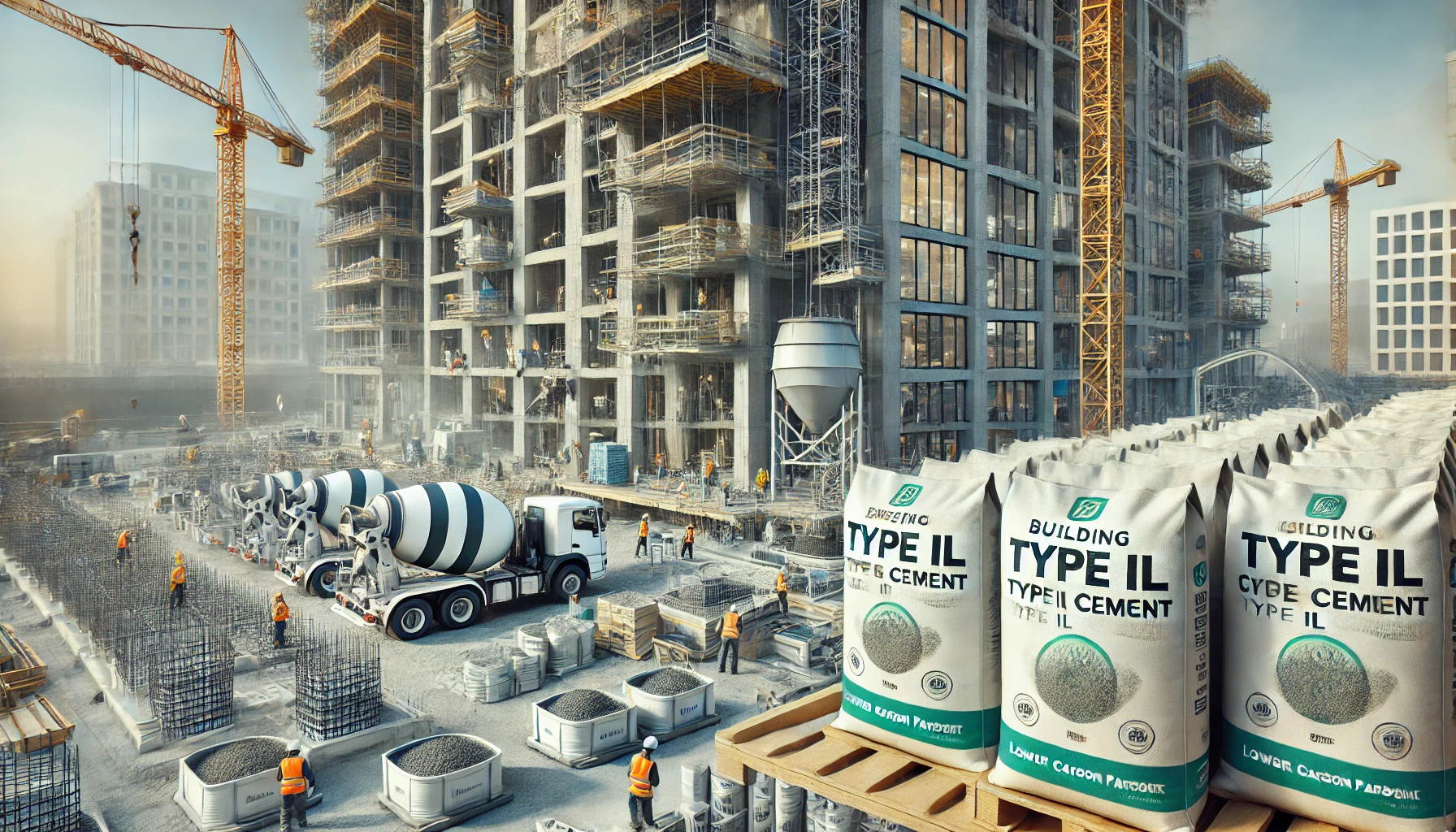
    Type IL cement, also known as Portland-Limestone Cement (PLC), has a lower carbon footprint compared to traditional Portland cement (Type I) due to several factors. The primary advantage of Type IL cement is its increased limestone content, which means that less clinker, the most carbon-intensive component of cement, is needed in its production. Studies have shown that incorporating more limestone into the cement mix reduces CO2 emissions because the clinker production process involves the calcination of limestone, which releases significant amounts of CO2. For instance, a study in South Africa comparing different types of Portland cement found that Type IL cement (CEM II/B-L) reduced global warming impacts by approximately 14% compared to traditional Portland cement (CEM I) (Ige & Olanrewaju, 2023). Another study demonstrated that Type IL cement can achieve CO2 emission reductions of 20-30% compared to traditional Portland cement by reducing the need for high-temperature processing and associated energy consumption (Barcelo et al., 2014). These reductions in emissions, along with comparable performance in terms of strength and durability, make Type IL cement a more environmentally friendly alternative.

    Serial NumberPaper TitleInsightCitation Count
    1Cement and carbon emissions (Barcelo et al., 2014)This paper discusses the carbon footprint of cement production and highlights how new clinkers requiring less limestone can reduce CO2 emissions by 20-30% compared to traditional Portland cement.375
    2Comparative Life Cycle Assessment of Different Portland Cement Types in South Africa (Ige & Olanrewaju, 2023)This study shows that Type IL cement can reduce global warming impacts by 14% compared to traditional Portland cement, due to lower clinker content and increased limestone utilization.
    3Comparative life cycle assessment (LCA) of geopolymer cement manufacturing with Portland cement in Indian context (Meshram & Kumar, 2021)This paper compares the environmental impacts of geopolymer cement and traditional Portland cement, showing that the former can reduce CO2 emissions significantly, highlighting the benefits of alternative binders.8
    4Reducing the carbon footprint of lightweight aggregate concrete (Kanavaris et al., 2020)This study explores methods to reduce the carbon footprint of lightweight aggregate concrete by using alternative materials like ground granulated blast-furnace slag, achieving a reduction in Portland cement content by approximately 40%.1
    5Louisiana’s Laboratory Experience with Type IL Portland Cement (Rupnow & Icenogle, 2015)This research details the benefits of Type IL cement in Louisiana, including its comparable strength properties to Type I cement and reduced shrinkage, supporting its use in various construction applications.
  • What is Type IL Portland Cement?

    Type IL cement, also known as Portland-Limestone Cement (PLC), offers significant environmental benefits compared to other types of cement. Primarily, Type IL cement integrates a higher percentage of limestone into the cement mix, which results in a lower carbon footprint during its production. This reduction is primarily due to the decreased need for clinker, the component in cement production that requires the most energy and releases the most carbon dioxide (CO2). Research from various studies highlights that Type IL cement can maintain comparable performance characteristics to traditional Portland cement while significantly reducing greenhouse gas emissions and energy consumption. For example, a study from Louisiana demonstrated that Type IL cement showed less shrinkage and comparable compressive and flexural strengths to Type I cement, supporting its use in various construction applications (Rupnow & Icenogle, 2015). Furthermore, blending materials such as granulated copper slag with cement, as studied in China, showed a reduction in abiotic depletion and overall environmental impact (Zhang et al., 2022). Overall, these properties make Type IL cement a more sustainable choice for modern construction needs.

    Serial NumberPaper TitleInsightCitation Count
    1Environmental Benefit Assessment of Blended Cement with Modified Granulated Copper Slag (Zhang et al., 2022)This paper investigates the environmental impact of using modified granulated copper slag in blended cement, showing a reduction in environmental impact, including a significant decrease in global warming potential.3
    2Environmental benefits of innovative photocatalytic cementitious road materials (Guerrini et al., 2012)Discusses the development of photocatalytic cementitious road materials that improve air quality by reducing nitrogen oxides through the inclusion of titanium dioxide, highlighting a significant reduction in air pollutants.4
    3Building environment-friendly cement (Zhou Bao, 2017)Describes a type of cement made from industrial waste that turns waste into wealth and provides both economic and environmental benefits, emphasizing the recycling aspect of cement production.1
    4Louisiana’s Laboratory Experience with Type IL Portland Cement (Rupnow & Icenogle, 2015)Details the research on Type IL cement in Louisiana, demonstrating its comparable strength properties to Type I cement and its reduced shrinkage, advocating for its use in all applications in Louisiana.
    5Ecologically healthy environment-friendly cement (Cheng et al., 2016)Focuses on a variety of environment-friendly cements with additional health benefits such as releasing oxygen and negative ions, offering health and environmental advantages beyond traditional cement applications.2
  • Type IL Cement is Here to Stay

    Type IL Cement is Here to Stay

    Type IL cement, also known as Portland-limestone cement (PLC), is increasingly being used in place of Type I/II cement for several reasons. Here are some key advantages of using Type IL cement over Type I/II cement:

    1. Environmental Benefits:
      • Reduced CO2 Emissions: Type IL cement typically contains up to 15% limestone by mass, which replaces some of the clinker content. Since the production of clinker is energy-intensive and generates significant CO2 emissions, using limestone reduces the overall carbon footprint of the cement.
      • Sustainable Materials: Incorporating limestone, which is abundant and readily available, contributes to more sustainable construction practices.
    2. Improved Workability:
      • Enhanced Workability: The fine limestone particles in Type IL cement can improve the workability of concrete mixes. This can make the concrete easier to handle and place, especially in applications requiring a smooth, cohesive mix.
    3. Performance Characteristics:
      • Durability: Type IL cement can offer comparable or even superior durability compared to Type I/II cement. It provides good resistance to sulfate attack and chloride ion penetration, which are critical for the longevity of concrete structures.
      • Strength Development: Type IL cement typically develops strength at a rate similar to that of Type I/II cement. In some cases, it may even enhance early-age strength.
    4. Regulatory and Standard Compliance:
      • Standards: Type IL cement meets ASTM C595 specifications for blended hydraulic cements, ensuring it adheres to industry standards for performance and reliability.
    5. Cost Efficiency:
      • Potential Cost Savings: While the cost of cement can vary based on location and availability, using Type IL cement can potentially lead to cost savings due to the reduced clinker content and the associated lower energy consumption during production.
    6. Support for Green Building Certifications:
      • LEED Credits: Using Type IL cement can contribute to LEED (Leadership in Energy and Environmental Design) credits for green building certifications, which is increasingly important in the construction industry.

    In summary, Type IL cement offers environmental benefits, improved workability, and comparable performance to Type I/II cement, making it a viable and often preferable option for many construction projects.

  • Reviews – Testimonials

    This is the company you want if you’re looking for reliability and consistency with product and delivery. They cater to all project sizes from backyard patios to major highway construction sites and even remote out-of-reach jobs that most guys wouldn’t even consider providing a bid for. This company has solid leadership and a strong team and has exceeded my expectations on numerous projects. At 96 years old I’ve seen it all and these guys are it. I highly recommend Volume Concrete and guarantee you won’t be disappointed. 10/10

    Lowell Patton

    CEO, Oregon Lumber Exports

    November, 2024

  • Calculator for Concrete Columns

    Calculator for Concrete Columns

    Concrete Volume Calculator

    Concrete Volume Calculator


    Pouring concrete columns involves careful planning and execution to ensure they are strong, durable, and aesthetically pleasing. Here are some detailed steps and tips to help you pour nice concrete columns:

    Materials and Tools Needed:

    • Concrete mix
    • Reinforcement bars (rebar)
    • Column formwork (plywood, steel, or plastic)
    • Concrete vibrator
    • Trowel and finishing tools
    • Level and measuring tape
    • Concrete release agent
    • Safety gear (gloves, goggles, etc.)

    Steps:

    1. Plan and Design:
    • Determine the size, shape, and height of the columns.
    • Ensure the design complies with local building codes and structural requirements.
    1. Prepare the Site:
    • Clear the area where the column will be placed.
    • Ensure a stable, level base for the formwork.
    1. Set Up Formwork:
    • Assemble the column formwork according to the design specifications.
    • Securely fasten the formwork to prevent leakage and ensure it can withstand the pressure of the concrete.
    • Apply a concrete release agent to the inside of the formwork for easy removal later.
    1. Install Reinforcement:
    • Cut and bend rebar to fit within the column formwork.
    • Tie the rebar together using wire ties, ensuring proper spacing and alignment.
    • Position the rebar cage within the formwork, ensuring it is centered and not touching the formwork walls.
    1. Mix and Pour Concrete:
    • Call Dispatch (971) 219-8604 to order the concrete to the required consistency, usually a 4″ slump is best for this type of work.
    • Pump the concrete into the formwork in layers, not exceeding 12-18 inches (30-45 cm) at a time.
    • Use a concrete vibrator to remove air bubbles and ensure proper compaction after each layer is poured.
    1. Level and Finish:
    • Once the formwork is filled, level the top surface of the column using a trowel.
    • Smooth the surface as needed, but avoid overworking the concrete, which can cause weak spots.
    1. Curing:
    • Allow the concrete to cure for the specified time, usually at least 24-48 hours before removing the formwork.
    • Keep the concrete moist during the curing process by covering it with a damp cloth or plastic sheet to prevent rapid drying and cracking.
    1. Remove Formwork:
    • Carefully remove the formwork once the concrete has adequately cured.
    • Inspect the column for any defects or imperfections and make necessary repairs.
    1. Finishing Touches:
    • If required, apply a concrete sealer to protect the surface.
    • Clean up the site and dispose of any construction debris properly.

    Tips:

    • Consistency: Ensure the concrete mix is of consistent quality throughout the pour.
    • Reinforcement: Properly positioned and securely tied rebar is crucial for the structural integrity of the column.
    • Vibration: Use the concrete vibrator carefully to avoid segregation of the concrete mix. DON’T OVER-VIBRATE.
    • Weather Conditions: Avoid pouring concrete in extreme weather conditions (too hot or too cold) as it can affect the curing process.

    Following these steps and tips will help you pour nice concrete columns that are structurally sound and visually appealing.

  • Calculator for Steps

    Calculator for Steps

    Concrete Steps Calculator

    Concrete Steps Calculator


    Measuring steps for a concrete project involves several key steps to ensure accurate dimensions and proper construction. Here’s a step-by-step guide: ADD 25% more volume for steps.

    1. Determine the Total Rise and Run

    • Total Rise: Measure the vertical height from the bottom of the staircase to the top (finished floor level).
    • Total Run: Measure the horizontal distance the stairs will cover from the start to the end.

    2. Calculate the Number of Steps

    • Ideal Step Height (Riser): An ideal riser height is usually between 7 to 8 inches.
    • Divide the Total Rise: Divide the total rise by the desired riser height to determine the number of steps. Adjust to ensure all steps have the same height.
    • Example Calculation: If the total rise is 96 inches and the desired riser height is 8 inches, you will need 12 steps (96 ÷ 8 = 12).

    3. Determine the Tread Depth

    • Ideal Tread Depth: A comfortable tread depth (the horizontal part of the step) is typically between 10 to 12 inches.
    • Adjust the Total Run: Multiply the number of steps by the desired tread depth to ensure it fits within the total run.
    • Example Calculation: If you have 12 steps and the desired tread depth is 10 inches, the total run will be 120 inches (12 x 10 = 120).

    4. Calculate Step Dimensions

    • Riser Height: Divide the total rise by the number of steps.
    • Tread Depth: Divide the total run by the number of steps.

    5. Mark and Measure the Site

    • Mark the Top and Bottom: Mark where the top and bottom steps will be located.
    • Use a String Line: Stretch a string line from the top mark to the bottom mark to ensure straight and level measurements.
    • Measure and Mark Each Step: Use a measuring tape to mark the height and depth of each step from the string line.

    6. Building the Formwork

    • Cut the Forms: Cut wooden forms to the calculated dimensions of risers and treads.
    • Assemble the Forms: Assemble the forms securely at the marked locations.
    • Check for Level and Plumb: Use a level to ensure each step is level and plumb.

    7. Pouring the Concrete

    • Mix Concrete: Mix concrete to the required consistency.
    • Pour and Level: Pour concrete into the forms, starting from the bottom step and working upwards. Level the concrete for each step.
    • Smooth the Surface: Use a trowel to smooth the surface of each step.

    8. Curing and Finishing

    • Allow to Cure: Let the concrete cure for the recommended time.
    • Remove Forms: Carefully remove the forms after the concrete has set.
    • Finishing Touches: Apply any finishing touches such as edging or texturing for slip resistance.

    Tips for Accuracy:

    • Consistency: Ensure all risers and treads are consistent in height and depth to avoid tripping hazards.
    • Double-Check Measurements: Re-measure and confirm dimensions before pouring concrete.
    • Use Proper Tools: Utilize appropriate tools such as levels, measuring tapes, and string lines for accuracy.

    This process ensures accurate measurement and construction of concrete steps, providing a safe and durable staircase.

  • Calculator for Driveways

    American Builder: Driveway & Apron Estimator

    ★ American Concrete Estimator ★

    Professional Grade | Built to Last | Patriotic Service

    1. The Main Driveway

    2. The Approach / Apron

    This is the widened entry connecting to the roadway. Note: Most cities require this section to be at least 6 inches thick.

    3. Mix Specs & Performance Upgrades

    Increase Longevity & Performance:

    We proudly use high-quality additives. Learn more at VolumeConcrete.com

    $ 4. Material Pricing (PNW Estimates)

    Adjust these rates based on current local supplier pricing.

    $
    $
    $
    $
    $
    DISCLAIMER: These prices are rough estimates based on Pacific Northwest averages. Actual costs will vary by ready-mix supplier, delivery distance, and specific site conditions. This is a materials estimation tool, not a binding contract.

    Project Summary

    0 Total Sq. Ft.
    0 Concrete (Cu. Yards)
    0 Base (Tons)
    Estimated Material Cost
    $0.00
    (Includes 10% safety margin on volume)

    Steps to Install a New Concrete Driveway:

    1. Planning and Permits:
      • Determine the dimensions and layout of the driveway.
      • Check local building codes and obtain necessary permits.
    2. Preparation:
      • Site Clearing: Remove any existing driveway, grass, or debris.
      • Excavation: Dig out the area to the appropriate depth (usually 8-12 inches) for the driveway.
      • Grading: Ensure the base is level and slopes away from buildings for proper drainage.
      • Compacting: Compact the soil to provide a stable base.
    3. Base Installation:
      • Lay down a layer of crushed stone or gravel (4-6 inches) and compact it.
      • Install forms (wooden boards) to outline the driveway’s shape.
    4. Reinforcement:
      • Place rebar or wire mesh within the forms to reinforce the concrete and prevent cracking.
    5. Pouring the Concrete:
      • Call Dispatch (971) 219-8604 to schedule the concrete.
      • Pour the concrete evenly within the forms.
      • Use a shovel or rake to spread the concrete, ensuring it fills all spaces.
    6. Leveling and Finishing:
      • Use a screed board to level the concrete surface.
      • Smooth the surface with a float.
      • Add texture (broom finish or stamped patterns) if desired.
    7. Curing:
      • Allow the concrete to cure properly, which usually takes about a week.
      • Keep the surface moist to prevent cracking.
    8. Sealing (Optional):
      • Apply a concrete sealer to protect the driveway from stains and weather damage.

    Tips:

    • Ensure proper drainage to prevent water pooling on the driveway.
    • Use MicroFibers for increased resistance from cracking.
    • Use expansion joints to allow for concrete expansion and contraction.
    • Consider hiring professionals for larger driveways or if you are inexperienced with concrete work.