Author: Volume Concrete

  • Calculator for Decommissioning Pipes

    Calculator for Decommissioning Pipes

    Concrete Calculator

    Pipe Decommissioning Calculator


    Measuring underground pipes typically involves various techniques and tools depending on the specific requirements such as depth, material, location, and environmental conditions. Here’s a general process:

    1. Preparation and Planning

    • Site Survey: Conduct a thorough site survey to understand the layout, environment, and potential obstacles.
    • Utility Marking: Use utility marking services to identify and mark existing underground utilities to avoid damage.

    2. Choosing the Measurement Method

    • Direct Measurement: For accessible pipes (trenched or exposed), use measuring tapes or laser distance meters.
    • Indirect Measurement: For buried pipes, consider methods like Ground Penetrating Radar (GPR), electromagnetic induction, and acoustic methods.

    3. Using Ground Penetrating Radar (GPR)

    • Equipment Setup: Calibrate the GPR unit based on the soil type and expected depth.
    • Scanning: Move the GPR unit systematically over the area. GPR emits radar waves that reflect off the pipe, creating an image.
    • Data Interpretation: Analyze the radar images to determine the pipe’s depth and position.

    4. Using Electromagnetic Induction

    • Signal Application: Apply an electromagnetic signal to the pipe using a transmitter.
    • Detection: Use a receiver to trace the signal, indicating the pipe’s path and depth.
    • Data Recording: Record the measurements along the detected path.

    5. Using Acoustic Methods

    • Sound Waves: Generate sound waves that travel through the ground and reflect off the pipe.
    • Listening Devices: Use listening devices to capture the reflected sound waves.
    • Analysis: Analyze the sound patterns to locate the pipe and measure its depth.

    6. Verification and Documentation

    • Cross-Verification: Use multiple methods to cross-verify the pipe location and measurements.
    • Documentation: Document all findings, including pipe location, depth, diameter, and any obstacles or anomalies.

    7. Safety Precautions

    • Protective Gear: Ensure all personnel wear appropriate safety gear.
    • Regulatory Compliance: Follow all local regulations and standards for underground work.

    8. Post-Measurement Analysis

    • Data Analysis: Compile and analyze all data collected.
    • Reporting: Prepare a detailed report with diagrams, maps, and measurements.
    • Maintenance Planning: Use the data for maintenance planning or further construction activities.

    This process ensures accurate measurement and location of underground pipes, minimizing the risk of damage during excavation or construction.

  • Chemical Admixtures for Ready Mix Concrete

    Chemical Admixtures for Ready Mix Concrete

    Chemical admixtures are used in ready mix concrete to enhance its properties and performance. Here are some common types of chemical admixtures and their uses:

    1. Water-Reducing Admixtures:

    • Purpose: Reduce the amount of water needed for a given workability, increasing strength and reducing permeability.
    • Common Chemicals: Lignosulfonates, polycarboxylate ethers.

    2. Retarding Admixtures:

    • Purpose: Delay the setting time of concrete, useful in hot weather conditions or for large pours to prevent cold joints.
    • Common Chemicals: Calcium sulfate, sugars.

    3. Accelerating Admixtures:

    • Purpose: Speed up the setting time and early strength development, beneficial in cold weather or for fast-track construction.
    • Common Chemicals: Calcium chloride, triethanolamine.

    4. Superplasticizers (High-Range Water Reducers):

    • Purpose: Provide significant increase in workability without adding extra water, ideal for high-strength concrete and complex formwork.
    • Common Chemicals: Polycarboxylate ethers, sulfonated naphthalene formaldehyde.

    5. Air-Entraining Admixtures:

    • Purpose: Introduce and stabilize microscopic air bubbles in concrete, improving its resistance to freeze-thaw cycles.
    • Common Chemicals: Vinsol resin, fatty acids.

    6. Corrosion Inhibitors:

    • Purpose: Protect reinforcing steel from corrosion, enhancing the durability of concrete structures exposed to chlorides.
    • Common Chemicals: Calcium nitrite, sodium nitrite.

    7. Shrinkage-Reducing Admixtures:

    • Purpose: Minimize shrinkage and reduce the risk of cracking in concrete.
    • Common Chemicals: Polyoxyalkylene alkyl ether.

    8. Alkali-Silica Reactivity (ASR) Inhibitors:

    • Purpose: Prevent the reaction between alkalis in cement and reactive silica in aggregates, which can cause expansion and cracking.
    • Common Chemicals: Lithium nitrate.

    9. Waterproofing Admixtures:

    • Purpose: Reduce the permeability of concrete, making it more resistant to water penetration.
    • Common Chemicals: Silicones, stearates.

    10. Bonding Admixtures:

    • Purpose: Improve the bond between old and new concrete surfaces.
    • Common Chemicals: Synthetic latexes (like styrene-butadiene).

    Benefits of Using Chemical Admixtures:

    • Enhanced Workability: Improves the ease of placing and finishing concrete.
    • Increased Durability: Enhances resistance to environmental factors.
    • Optimized Setting Time: Adjusts setting time for different construction needs.
    • Cost Efficiency: Reduces the overall cost by improving performance and reducing the need for additional materials.

    Considerations:

    • Compatibility: Ensure admixtures are compatible with other materials used in the concrete mix.
    • Dosage: Proper dosage is crucial to achieve the desired effect without compromising the concrete quality.
    • Environmental Conditions: Select admixtures based on the specific environmental conditions and project requirements.

    accelerator air entrainment backfill buy concrete calculator Carbon Footprint cdf cellular concrete cellular grout cement cement delivery cement driveway cement in Multnomah county cement in Portland cement patio Clackamas County Concrete concrete Concrete Delivery Concrete in 97009 concrete in Clackamas County Concrete in Multnomah County Concrete in Portland concrete in SE Portland concrete in the Pacific Northwest concrete near me concrete pump construction leads driveway FAQ's grout LDCC leads generator line pump mixed concrete mobile concrete NE Portland Concrete order concrete purchase concrete rapid set ready mix concrete SE Portland concrete small batch concrete video volume calculator volume of concrete

  • LDCC low density cellular concrete

    LDCC low density cellular concrete

    Volume Concrete llc, supplies LDCC low density cellular concrete in both permeable and non-permeable with densities as low as 27 lbs. per cubic foot (pcf) up to 110 pcf..

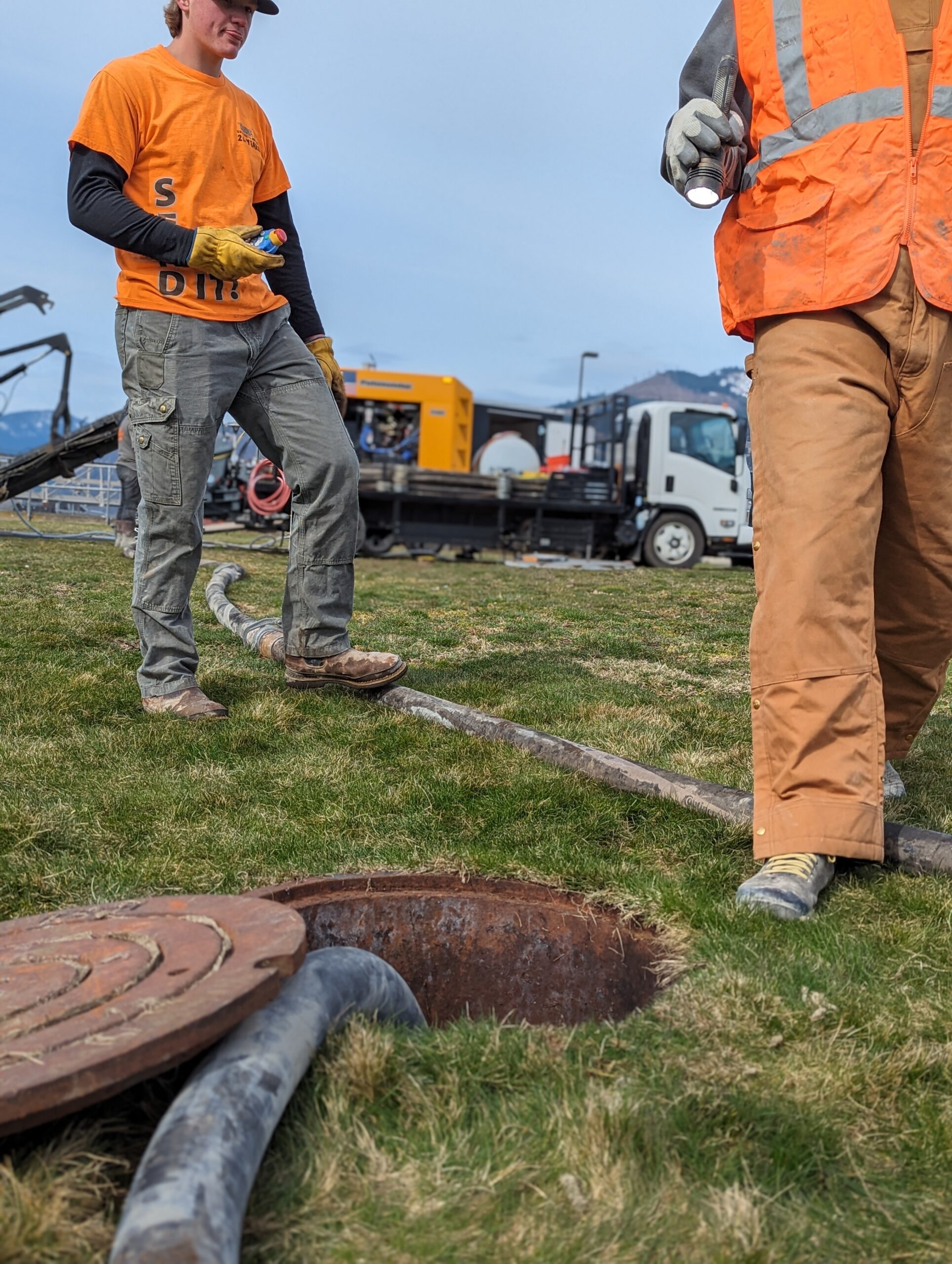
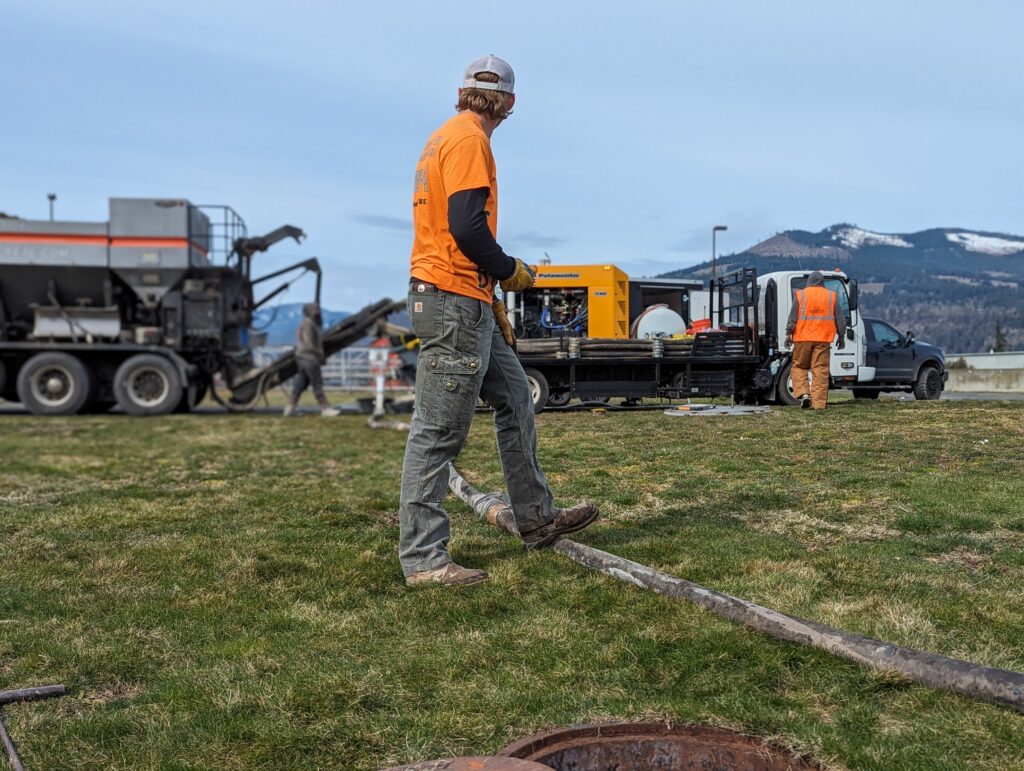
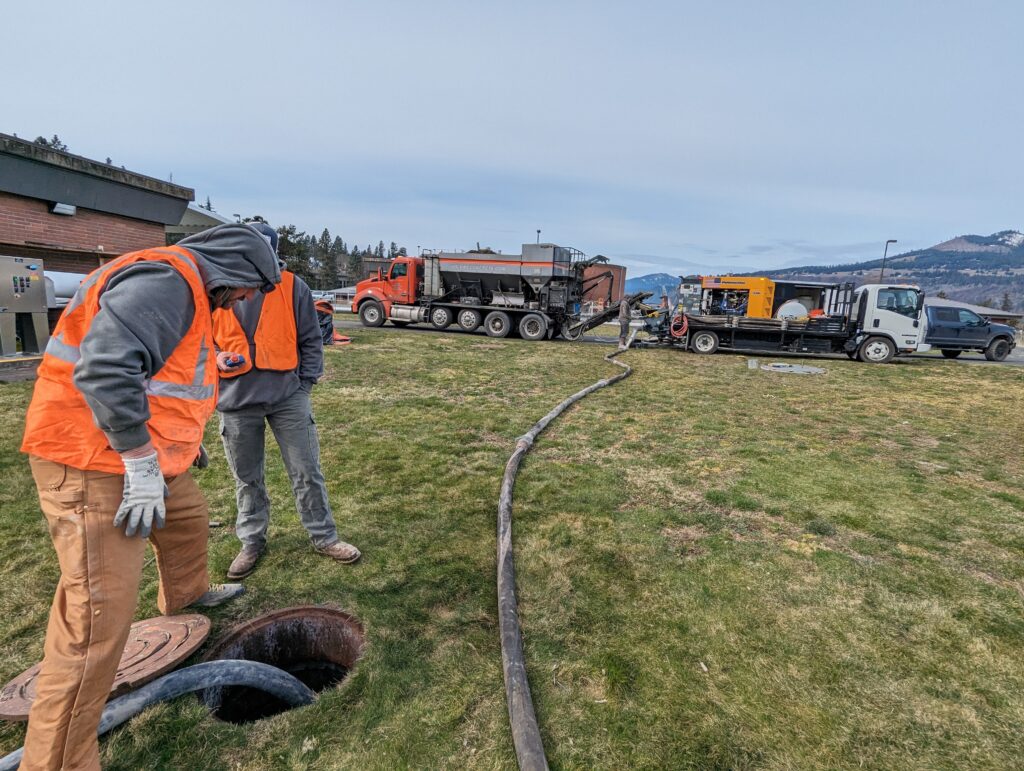
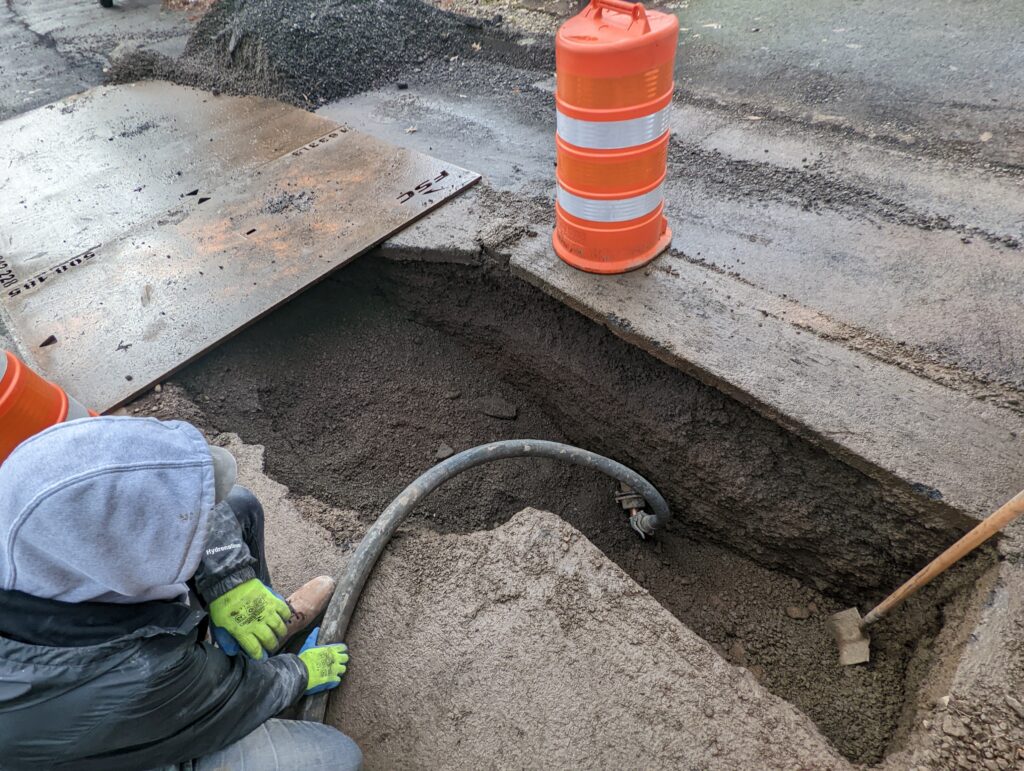
    Recent jobs include pipe abandonment, and sewer abandonment. With production capacities exceeding 250 cubic yards in a normal work shift.

    For jobs requiring backfill; LDCC is the ideal candidate with the lowest impact to the surrounding environment with installations utilizing a hose.

  • Manhole Channeling and Trough Benches

    Manhole Channeling and Trough Benches

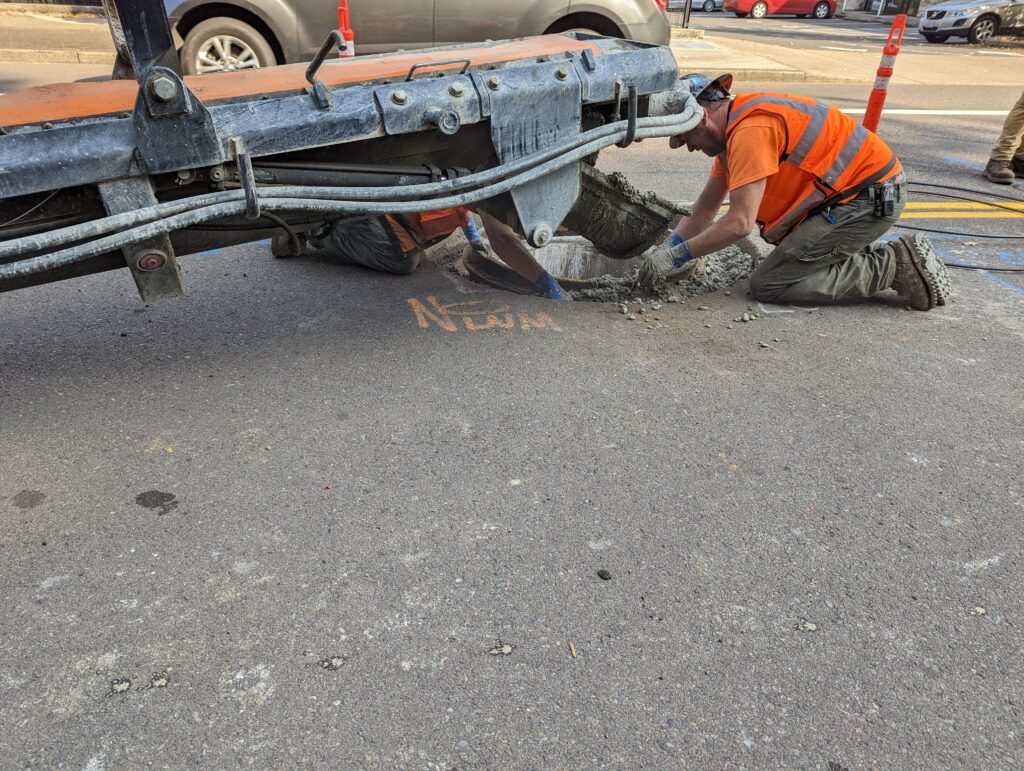
    Using Commercial Grade Concrete (3,500psi) that is made on-site with our mixer trucks – makes doing underground manhole channeling a breeze. Our mix designs are approved for all the jurisdictions in Portland Metro.

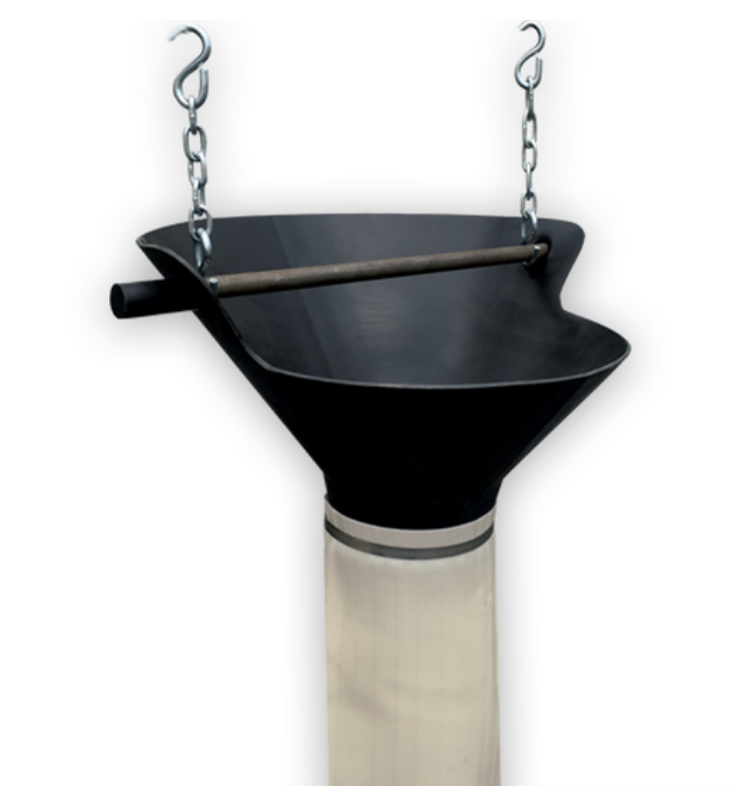
    Please tell dispatch that you would like to use the Mini Hopper for underground work. The Mini Hopper is exceptional for eliminating the concrete from segregating by utilizing a 6′ trunk.