Air Entrainment in Concrete: Benefits, Challenges & Practical Implications – 2026 Update
★★★★★★★★★★
Air Entrainment in Concrete 2026 Edition – Built Strong in the USA
Updated December 2025
Introduction
Air entrainment means intentionally trapping millions of microscopic air bubbles in concrete. These tiny voids (typically 0.0004 to 0.04 in. in diameter) are what make American concrete survive decades of freeze-thaw cycles, road salt, and heavy traffic.
Key Benefits
Freeze-Thaw Protection – Air voids give water a place to expand when it freezes, preventing cracking and spalling.
Improved Workability – Easier placement, better finish, less vibration needed.
Resistance to Deicing Chemicals – Dramatically reduces surface scaling from road salt.
Proven Nationwide – Standard in every state DOT spec from Alaska to Florida.
The Trade-Offs
Rough rule: every 1% of air reduces 28-day compressive strength by about 3–5%.
Too much air (>7–8%) wastes money and hurts performance.
Air can be lost in transit and especially during pumping.
Target Air Void System (U.S. Practice – 2026)
Total Air Content: 4–7% (±1.5%) by volume for frost-resistant concrete
Spacing Factor: ≤ 0.008 in. (the lower the better)
Specific Surface: 400–700 in²/in³
Standard tests: ASTM C231 (pressure method) and ASTM C173 (volumetric method).
Factors That Affect Air Content on the Job
Factor
Effect on Air Content
Finer cement or high fly-ash content
Decreases air
Higher sand percentage
Increases air
Water reducers / superplasticizers
Increases air
Long haul time
Decreases air
Retempering with water
Usually increases air
Pumping
Largest loss – typically 1 to 3% drop
Excessive vibration or finishing
Drives air out
Always test air content at the point of placement – never trust the batch plant ticket alone.
Pumping & Air Loss
Pumping is the #1 cause of air loss on American jobsites. Fix it by increasing the air-entraining admixture dosage 10–20% at the plant and confirming air content at the discharge hose.
Conclusion
Properly air-entrained concrete remains the gold standard for durable pavements, bridges, and structures across the United States. A little extra attention to mix design, testing, and pump compensation delivers concrete that lasts generations.
Understanding Alkali-Silica Reaction (ASR) in Concrete
Alkali-Silica Reaction (ASR) is a chemical reaction in concrete that can lead to significant deterioration, including cracking, expansion, and spalling. It occurs when the alkalis (primarily sodium and potassium) in the cement react with certain types of reactive silica found in aggregates, in the presence of moisture. This reaction forms a gel that absorbs water, expands, and exerts pressure within the concrete, leading to structural damage over time. Let’s break this down in detail.
How ASR Occurs
Components Involved:
Alkalis: These are typically sodium (Na⁺) and potassium (K⁺) ions from the cement, often present in the form of sodium hydroxide (NaOH) or potassium hydroxide (KOH). Alkalis can also come from external sources like deicing salts or seawater.
Reactive Silica: Certain aggregates contain reactive forms of silica, such as opal, chert, chalcedony, or strained quartz. These are often found in natural sands, gravels, or crushed rocks.
Moisture: Water is essential for the reaction to proceed, as it facilitates the formation and expansion of the ASR gel.
The Reaction:
The alkalis in the concrete pore solution react with the reactive silica in the aggregates to form an alkali-silica gel (often a sodium or potassium silicate gel).
This gel is hygroscopic, meaning it absorbs water from the surrounding environment.
As the gel absorbs water, it swells, creating internal pressure within the concrete matrix.
Resulting Damage:
The swelling gel exerts pressure that exceeds the tensile strength of the concrete, leading to micro-cracking.
Over time, these cracks grow, causing visible damage such as map-like cracking patterns on the surface, expansion of the concrete, and in severe cases, spalling or pop-outs (where pieces of concrete break off).
The expansion can also cause misalignment in structures, such as bridges or pavements, and may lead to secondary issues like increased permeability, which allows more water and chemicals (e.g., chlorides) to penetrate, accelerating other forms of deterioration like rebar corrosion.
Conditions for ASR to Occur
For ASR to take place, three conditions must be present, often referred to as the “ASR triangle”:
Sufficient Alkalis: High alkali content in the cement (typically measured as Na₂O equivalent, where Na₂Oeq = Na₂O + 0.658 × K₂O). Cements with Na₂Oeq above 0.6% are considered high-alkali and more prone to ASR.
Reactive Aggregates: Aggregates containing reactive silica minerals. Some rocks, like certain volcanic rocks, siliceous limestones, or sandstones, are more susceptible.
Moisture: A relative humidity above 80% within the concrete is typically required for the gel to form and expand. Structures in wet environments or those exposed to frequent wetting and drying cycles are at higher risk.
If any one of these conditions is absent, ASR will not occur.
Signs and Symptoms of ASR
Cracking: A characteristic “map cracking” or “pattern cracking” on the surface, often with a network of fine, interconnected cracks.
Expansion: Measurable expansion of the concrete, which can cause joints to close, slabs to lift, or structural elements to misalign.
Gel Formation: White or grayish gel-like deposits may be visible at cracks or on the surface, sometimes exuding from the concrete.
Spalling and Pop-outs: In advanced stages, the surface may flake or chip, and small pieces of concrete may break off.
Staining: Discoloration around cracks, often due to the gel or secondary reactions.
Impact on Concrete Structures
ASR can significantly affect the durability and service life of concrete structures:
Structural Integrity: While ASR rarely causes immediate structural failure, the cracking and expansion can weaken the concrete over time, reducing its load-bearing capacity.
Aesthetic Damage: The cracking and spalling can make structures look unsightly, which is a concern for visible elements like sidewalks, walls, or architectural features.
Increased Maintenance Costs: Affected structures often require repairs, such as crack sealing, surface treatments, or even replacement of damaged sections.
Secondary Damage: Cracks from ASR allow water and aggressive chemicals (like chlorides) to penetrate, which can lead to rebar corrosion, further exacerbating deterioration.
Testing and Diagnosis
To confirm ASR in a concrete structure, several tests can be conducted:
Petrographic Examination: A thin section of the concrete is examined under a microscope to identify the presence of reactive aggregates, gel formation, and micro-cracking.
Expansion Testing: Core samples are tested in a lab to measure residual expansion potential under controlled conditions (e.g., ASTM C1293, the Concrete Prism Test).
Chemical Analysis: The alkali content of the cement and the presence of gel can be analyzed using techniques like scanning electron microscopy (SEM) or X-ray diffraction (XRD).
Field Observations: Visual inspection for characteristic cracking patterns, gel exudation, and expansion-related damage.
Prevention of ASR
Preventing ASR involves breaking the “ASR triangle” by controlling one or more of the necessary conditions. Here are some strategies:
Use Non-Reactive Aggregates:
Test aggregates for reactivity using standards like ASTM C1260 (Accelerated Mortar Bar Test) or ASTM C1293.
If reactive aggregates must be used, blend them with non-reactive aggregates to dilute the reactive silica content.
Limit Alkali Content:
Use low-alkali cement (Na₂Oeq below 0.6%).
Avoid external sources of alkalis, such as deicing salts containing sodium or potassium.
Add materials like fly ash, slag, or silica fume to the concrete mix. These SCMs can reduce the availability of alkalis by binding them into less reactive compounds and reducing the pH of the pore solution.
For example, using 25-40% fly ash can significantly mitigate ASR by reducing the alkali concentration in the pore solution.
Control Moisture:
Design structures with proper drainage to minimize water infiltration.
Apply sealers or coatings to reduce moisture penetration into the concrete.
Ensure good curing practices to minimize early-age cracking, which can allow water ingress.
Use Lithium Compounds:
Lithium-based admixtures (e.g., lithium nitrate) can be added to the concrete mix to suppress ASR. Lithium ions alter the reaction, forming a non-expansive gel instead of the swelling gel.
This method is effective but can be costly and is typically used in high-risk projects.
Proper Mix Design:
Optimize the water-to-cement ratio to reduce permeability, making it harder for water to penetrate and facilitate the reaction.
Ensure proper curing to enhance the concrete’s durability and reduce the likelihood of cracking.
Mitigation and Repair of ASR Damage
If ASR has already occurred, mitigation and repair strategies can help manage the damage and extend the structure’s service life:
Moisture Control:
Apply waterproofing sealers or coatings to reduce water ingress and slow the reaction.
Improve drainage around the structure to keep the concrete as dry as possible.
Crack Sealing:
Fill cracks with epoxy or flexible sealants to prevent further water penetration.
This is a temporary measure and does not stop the underlying reaction.
Surface Treatments:
Apply lithium-based treatments to penetrate the concrete and suppress further gel expansion.
Silane or siloxane sealers can also be used to reduce moisture ingress.
Structural Reinforcement:
For critical structures, external reinforcement (e.g., carbon fiber wraps or steel plates) can be applied to manage expansion and maintain structural integrity.
In some cases, post-tensioning can be used to counteract the expansive forces.
Replacement:
In severe cases, the affected concrete may need to be removed and replaced with ASR-resistant materials.
This is often the most expensive option and is typically a last resort.
Monitoring:
Install strain gauges or crack monitors to track expansion and cracking over time.
Regular inspections can help determine the rate of deterioration and the effectiveness of mitigation measures.
Real-World Examples and Research Insights
Case Studies:
ASR has been a significant issue in structures like the Seabrook Nuclear Power Plant in New Hampshire, where ASR-related cracking was identified in the 2010s. Mitigation involved monitoring, sealing cracks, and applying lithium treatments.
In Australia, the M4 Motorway in Sydney experienced ASR damage due to reactive aggregates in the concrete, leading to extensive repairs and the use of SCMs in subsequent projects.
Research:
Studies, such as those by the Portland Cement Association (PCA), have shown that using 20-30% fly ash can reduce ASR expansion by up to 70% in many cases.
The Federal Highway Administration (FHWA) has developed guidelines for ASR prevention, emphasizing the importance of aggregate testing and the use of low-alkali cements in high-risk areas.
Conclusion
Alkali-Silica Reaction is a complex deterioration mechanism that can significantly impact the durability of concrete structures, particularly in environments with high moisture and reactive aggregates. Understanding the conditions that lead to ASR and implementing preventive measures during the design and construction phases are key to avoiding its damaging effects. For existing structures, early diagnosis and appropriate mitigation strategies can help manage the reaction and extend service life. If you’re working on a specific project where ASR is a concern, testing aggregates and consulting with a materials engineer can provide tailored solutions to minimize risks.
Research suggests using a low water-to-cement ratio (below 0.45) and air-entraining admixtures to reduce permeability and resist freeze-thaw cycles.
It seems likely that proper curing for at least 7 days, ideally 28 days, helps strengthen concrete and prevent surface deterioration.
The evidence leans toward applying a penetrating sealer 28 days after placement and reapplying periodically to protect against moisture.
An unexpected detail: creating control joints at 1/4 the slab depth can help manage cracking, reducing spalling risk in slabs.
Preventing Spalling in Concrete
Spalling in concrete, where the surface flakes or chips due to factors like freeze-thaw cycles, moisture, or chemical exposure, can be prevented with careful planning and maintenance. Here’s a clear guide for homeowners and builders:
Mix Design and Materials
Start with a concrete mix that has a low water-to-cement ratio, ideally below 0.45, to make it stronger and less permeable. Add air-entraining admixtures, especially in cold climates, to create tiny air pockets that help water expand during freezing without damaging the concrete. Use high-quality aggregates free from contaminants like clay, and avoid those prone to alkali-silica reaction (ASR), which can cause internal cracking.
Curing and Finishing
Cure the concrete properly by keeping it moist for at least 7 days, preferably 28 days, using methods like wet curing, curing compounds, or covering with plastic. This ensures it gains strength and resists surface weakening. During placement, avoid overworking the surface to prevent bringing excess water and fines to the top, and don’t pour on frozen ground—ensure proper compaction to eliminate voids.
Sealing and Drainage
After curing, apply a penetrating waterproofing sealer, like silane or siloxane-based options, 28 days after placement to block water and salt. Reapply every few years based on exposure. Design the structure with good drainage, such as sloping driveways or sidewalks at 1-2% grade, to prevent water buildup, which can lead to freeze-thaw damage.
Reinforcement and Joints
Use reinforcement like rebar or wire mesh to control cracking from temperature changes or loads. For slabs, create control joints at 1/4 the depth to manage cracking, reducing the risk of spalling. This is especially helpful for driveways or patios.
Early Care
Avoid using deicing salts, like sodium chloride, on new concrete during its first winter, as they can penetrate and corrode the surface, leading to spalling.
Following these steps can significantly extend the life of your concrete, keeping it smooth and safe. For specific projects, consult a professional or check local building codes.
Detailed Survey Note on Preventing Spalling in Concrete
This note provides an in-depth exploration of preventing spalling in concrete, expanding on the key methods and incorporating technical details for a comprehensive understanding. Spalling, characterized by the flaking, chipping, or breaking off of concrete surfaces, is often caused by freeze-thaw cycles, moisture ingress, chemical exposure, or rebar corrosion. Preventive measures are crucial, especially in regions with harsh winters or high exposure to environmental stressors. Below, we detail the strategies, supported by recent insights and practical applications, ensuring a thorough guide for both professionals and laymen.
Understanding Spalling and Its Causes
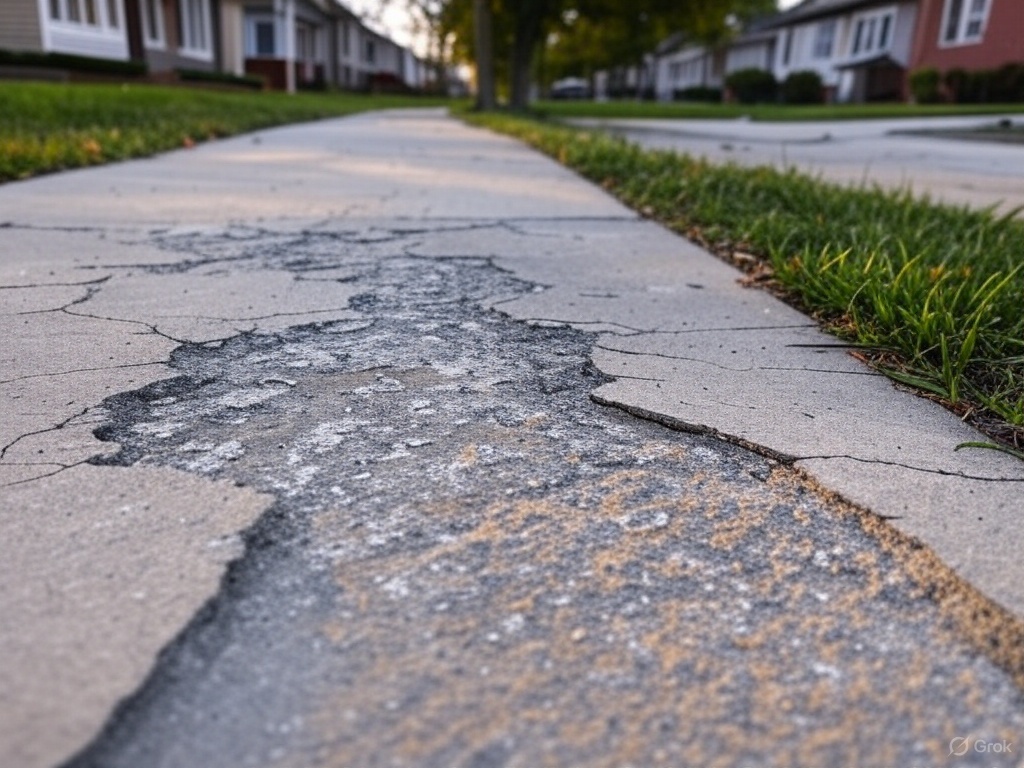
Spalling refers to the deterioration of the concrete surface, manifesting as pitting, chipping, or peeling, which can compromise structural integrity and pose safety hazards like trip risks. Common causes include:
Freeze-thaw cycles, where water in concrete freezes, expands, and causes surface damage.
Moisture penetration, exacerbated by poor drainage or lack of sealing.
Rebar corrosion, where rusting steel expands and forces concrete apart, often due to carbonation or chloride ingress.
Chemical attacks, such as sulphate attack or alkali-silica reaction (ASR), which can weaken the matrix.
Given these causes, prevention focuses on reducing permeability, enhancing durability, and protecting against environmental factors.
Detailed Prevention Methods
The following table summarizes the primary prevention methods, with specific details and considerations:
Method
Description
Key Considerations
Timing/Interval
Proper Mix Design
Use a low water-to-cement ratio (below 0.45) and air-entraining admixtures for freeze-thaw resistance.
Ensure aggregates are free from contaminants like clay; avoid ASR-prone materials.
During concrete mixing
Quality Materials
Select durable, well-graded aggregates and sulphate-resistant cement for aggressive environments.
Test aggregates for ASR potential; use supplementary cementitious materials like fly ash.
Pre-construction
Adequate Curing
Cure for at least 7 days, ideally 28 days, using wet curing, compounds, or plastic covering.
Prevent rapid drying from wind or heat; ensure uniform hydration for strength.
Post-placement, 7-28 days
Sealing
Apply penetrating sealers (e.g., silane, siloxane) 28 days after placement, reapply every few years.
Choose sealers with anti-carbonation properties for exposed environments.
28 days post-placement
Proper Drainage
Design with slopes (e.g., 1-2% grade) to direct water away from surfaces like driveways.
Ensure no water pooling; consider landscaping for additional runoff control.
During design/construction
Reinforcement and Control Joints
Use rebar or wire mesh for cracking control; create control joints at 1/4 slab depth for slabs.
Refrain from using salts like sodium chloride on new concrete during the first winter.
Prevents chloride ingress and corrosion; use sand for traction instead.
First winter post-placement
Controlled Placement/Finishing
Avoid overworking during finishing to prevent weak surface layers; compact to eliminate voids.
Don’t pour on frozen ground; ensure proper vibration for compaction.
During placement/finishing
These methods address the most common causes, with additional considerations for specific scenarios. For instance, in areas with high CO2 exposure, ensuring adequate concrete cover over rebars (e.g., 40 mm vs. 30 mm, where 30 mm offers 25% less protection) and applying anti-carbonation coatings like MAPELASTIC GUARD can extend service life.
Technical Insights and Additional Measures
Beyond the basics, technical insights reveal further strategies:
Carbonation Protection: Carbonation reduces concrete’s alkalinity (pH ~12), exposing rebars to corrosion. Using low-porosity concrete and coatings with anti-carbonation properties, as noted in Mapei’s technical talk, can mitigate this. For repairs, undercutting corroded steel by approximately 20 mm and saw-cutting edges to 12 mm depth, followed by water-jetting at minimum 250 MPa, ensures a clean bond for patch materials.
Professional Installation: For large or visible surfaces, professional installation is recommended, especially in harsh winters, to minimize spalling risk. This includes using reliable tools like paddle mixers for consistent mixing, as highlighted in BN Products’ guide.
Environmental Factors: In regions with frequent wetting/drying cycles, adhering to good placement, compaction, and curing practices is critical to prevent defects like honeycombs or voids, which can accelerate moisture penetration.
Practical Applications and Unexpected Details
An unexpected detail for laymen might be the role of control joints, which are cuts made at 1/4 the slab depth to manage cracking, reducing spalling risk in slabs like driveways or patios. This is often overlooked but crucial for tensile stress management, as noted in BN Products’ guide. Another insight is the timing of sealing—28 days post-placement aligns with curing completion, ensuring the surface is ready for protection, a detail from Concrete Network’s advice.
For homeowners, sealing every few years and avoiding deicing salts in the first winter are practical steps that can significantly extend concrete life, while builders might focus on mix design and reinforcement for long-term durability.
Conclusion and Recommendations
Preventing spalling in concrete requires a holistic approach, from mix design to ongoing maintenance. By following the outlined methods, such as using a low water-to-cement ratio, ensuring proper curing, and applying sealers, you can reduce the risk of surface deterioration. For specific projects, especially in aggressive environments, consult professionals or refer to standards like those from the American Concrete Institute (ACI), though direct ACI resources were not detailed here. This comprehensive strategy ensures both aesthetic and structural longevity, addressing the complexities of concrete behavior in various conditions.
Unreinforced masonry buildings (URM buildings) are structures made from bricks, stones, concrete blocks, or other masonry units that are not reinforced with steel bars (rebar) or other forms of internal support. These buildings rely solely on the weight of the masonry units and the mortar that binds them together for structural integrity.
Key characteristics of URM buildings include:
Lack of Internal Reinforcement: They do not have steel rebar or other internal supports to strengthen the masonry.
Vulnerability to Earthquakes: URM buildings are particularly susceptible to damage or collapse during seismic events because they lack the flexibility and tensile strength provided by reinforcement.
Historic Construction: Many older buildings, especially those built before modern building codes were established, are URM structures.
Potential Hazards: In addition to earthquakes, URM buildings can also be vulnerable to other stresses such as strong winds, ground settlement, and heavy loads.
Due to these vulnerabilities, many building codes now require retrofitting of URM buildings to improve their safety and performance in the event of earthquakes or other structural stresses.
Tofu-Dreg Construction: Understanding and Avoiding Shoddy Building Practices Worldwide
Caution: Exploring Dangerous Building Failures Ahead!
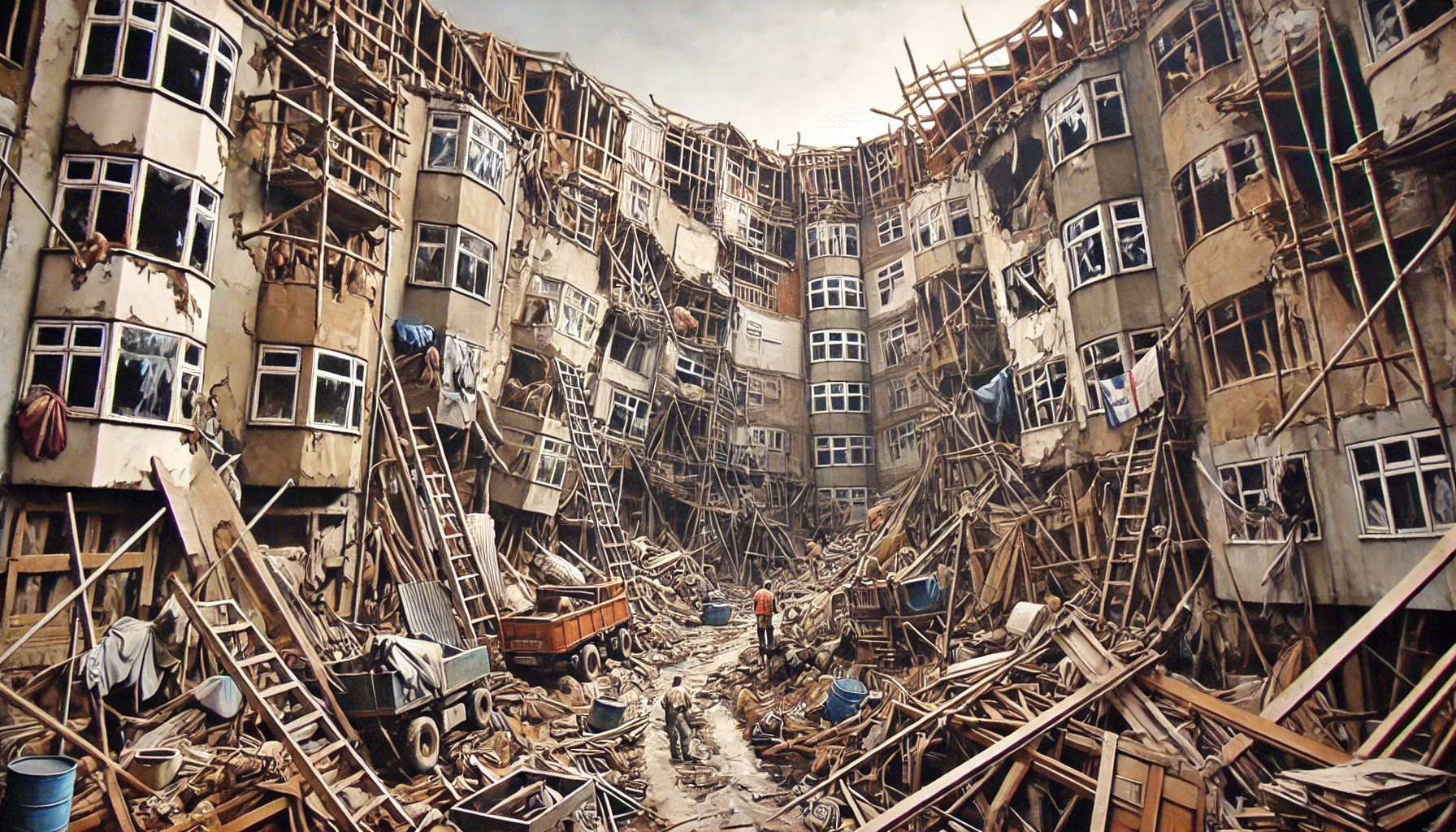
Tofu-Dreg Construction: Shoddy Building Practices Around the World
This expanded article dives deep into “tofu-dreg” construction—a term for structures that look sturdy but crumble like tofu residue due to poor quality. Originating from Chinese slang, it highlights global issues in construction driven by cost-cutting, corruption, and negligence. We’ll explore more examples, causes, consequences, prevention strategies, and even test your knowledge with an interactive quiz.
Origins and Meaning
“Tofu-dreg” (豆腐渣) refers to substandard construction that prioritizes speed and savings over safety. It’s not limited to China; similar problems plague projects worldwide, from rapid urbanization in developing countries to overlooked maintenance in developed ones. These failures often result from systemic issues like weak regulations and profit-driven decisions.
Global Examples of Tofu-Dreg Construction
Below are expanded case studies with photos and details. Click to expand each for more info.
Rana Plaza Collapse, Bangladesh (2013)
An eight-story garment factory collapsed, killing 1,134 and injuring over 2,500. Built on unstable land with illegal extra floors and subpar materials, it exposed labor exploitation. Investigations revealed ignored cracks and overloaded structure.
Sampoong Department Store Collapse, South Korea (1995)
A five-story store in Seoul collapsed, killing 502. Modifications like adding a restaurant floor without reinforcement, combined with inferior concrete, caused the failure. It led to major reforms in South Korean building codes.
Hyatt Regency Walkway Collapse, USA (1981)
Suspended walkways in a Kansas City hotel failed during an event, killing 114. A design flaw doubled the load on connections; poor oversight during changes was key. This spurred ethical discussions in engineering.
Grenfell Tower Fire, UK (2017)
A London high-rise fire killed 72 due to flammable cladding added for aesthetics over safety. Cost-cutting ignored fire risks, leading to national cladding audits and regulations.
Champlain Towers South Collapse, USA (2021)
A Florida condo partially collapsed, killing 98. Corrosion, poor concrete, and ignored maintenance warnings were factors. It prompted inspections of similar buildings nationwide.
Lotus Riverside Complex Collapse, China (2009)
A 13-story Shanghai apartment toppled intact due to excavated soil piled nearby, destabilizing foundations. One worker died; it highlighted rushed urbanization risks.
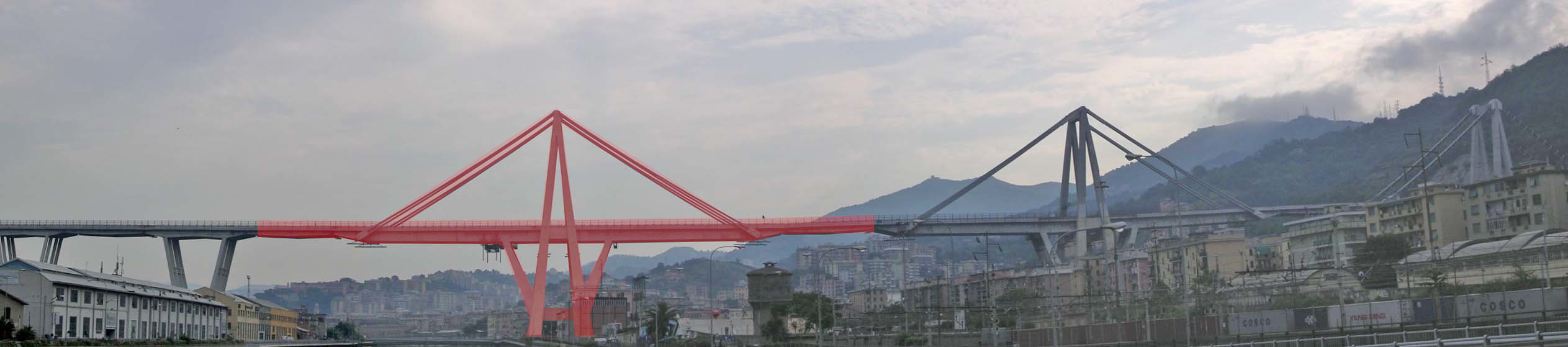
Morandi Bridge Collapse, Italy (2018)
A Genoa viaduct section collapsed, killing 43. Corrosion and design flaws in concrete stays, plus poor maintenance, were blamed. Italy audited infrastructure post-incident.
FIU Pedestrian Bridge Collapse, USA (2018)
A new Miami bridge collapsed onto traffic, killing 6. Cracks ignored during stress testing and design errors caused it. NTSB cited multiple failures in oversight.
Mexico City Metro Overpass Collapse, Mexico (2021)
Line 12 overpass failed, killing 26. Substandard welding, poor maintenance, and earthquake damage contributed. It sparked political debates on infrastructure funding.
Hard Rock Hotel Collapse, New Orleans, USA (2019)
An under-construction hotel partially collapsed, killing 3. Weak flooring and ignored engineering warnings were factors. Demolition delays complicated recovery.
Hotel New World Collapse, Singapore (1986)
A six-story hotel collapsed, killing 33. Structural design flaws and added weight from rooftop equipment caused it. Singapore tightened building inspections afterward.
Tacoma Narrows Bridge Collapse, USA (1940)
The bridge oscillated and collapsed in wind due to aeroelastic flutter from poor design. No deaths, but it revolutionized bridge engineering with wind tunnel testing.
Inadequate Design: Ignoring environmental factors like soil or weather.
Regulatory Gaps: Weak codes or enforcement in various regions.
Maintenance Neglect: Failing to address wear over time.
Consequences and Statistics
Building collapses cause thousands of deaths annually. According to global reports, over 2,000 die yearly from structural failures, with economic losses in billions. In developing nations, rapid growth amplifies risks.
Event
Deaths
Main Cause
Reforms Triggered
Rana Plaza
1,134
Overload, poor materials
Global labor standards
Sampoong
502
Design changes, subpar concrete
South Korean code overhaul
Hyatt Regency
114
Engineering error
Ethics in design
Grenfell
72
Flammable materials
UK cladding bans
Champlain
98
Corrosion, maintenance
US condo inspections
How to Avoid Tofu-Dreg Practices
Detailed strategies for safe construction:
Hire certified contractors with references.
Use quality-tested materials; opt for volume concrete from reliable suppliers.
Adhere to codes; involve engineers for site assessments.
Conduct phased inspections and use tech like sensors for monitoring.
Plan for long-term maintenance, especially in harsh environments.
Educate stakeholders on risks; promote ethical practices.
Test Your Knowledge: Interactive Quiz
Question: What is a common cause of tofu-dreg failures?
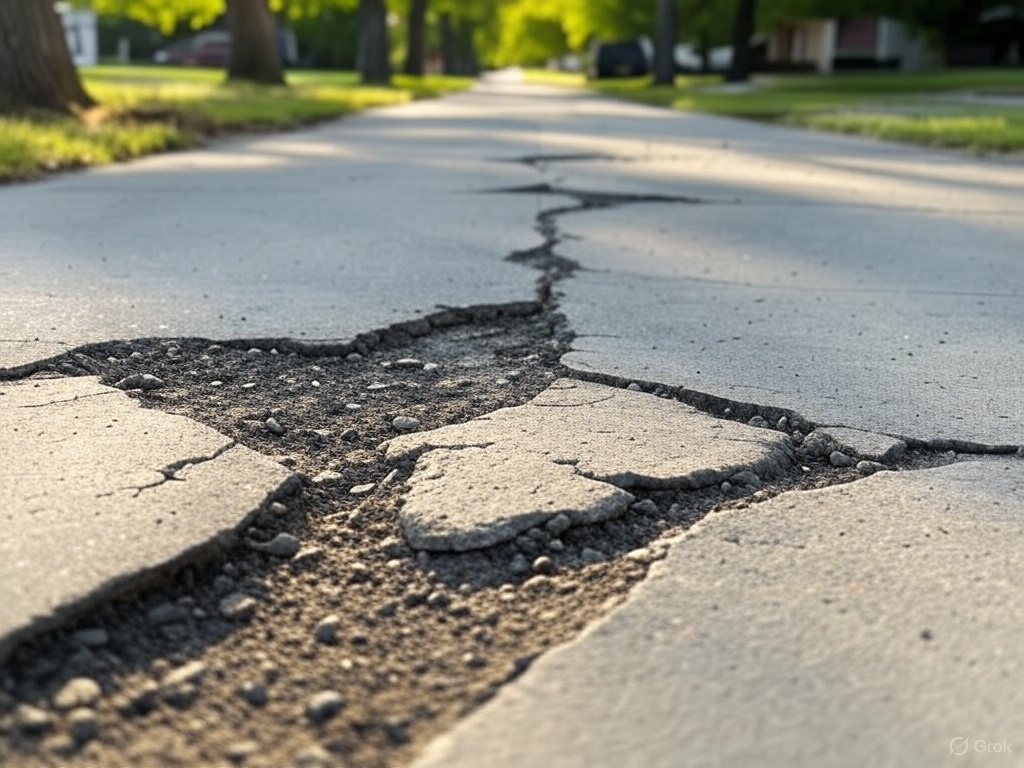
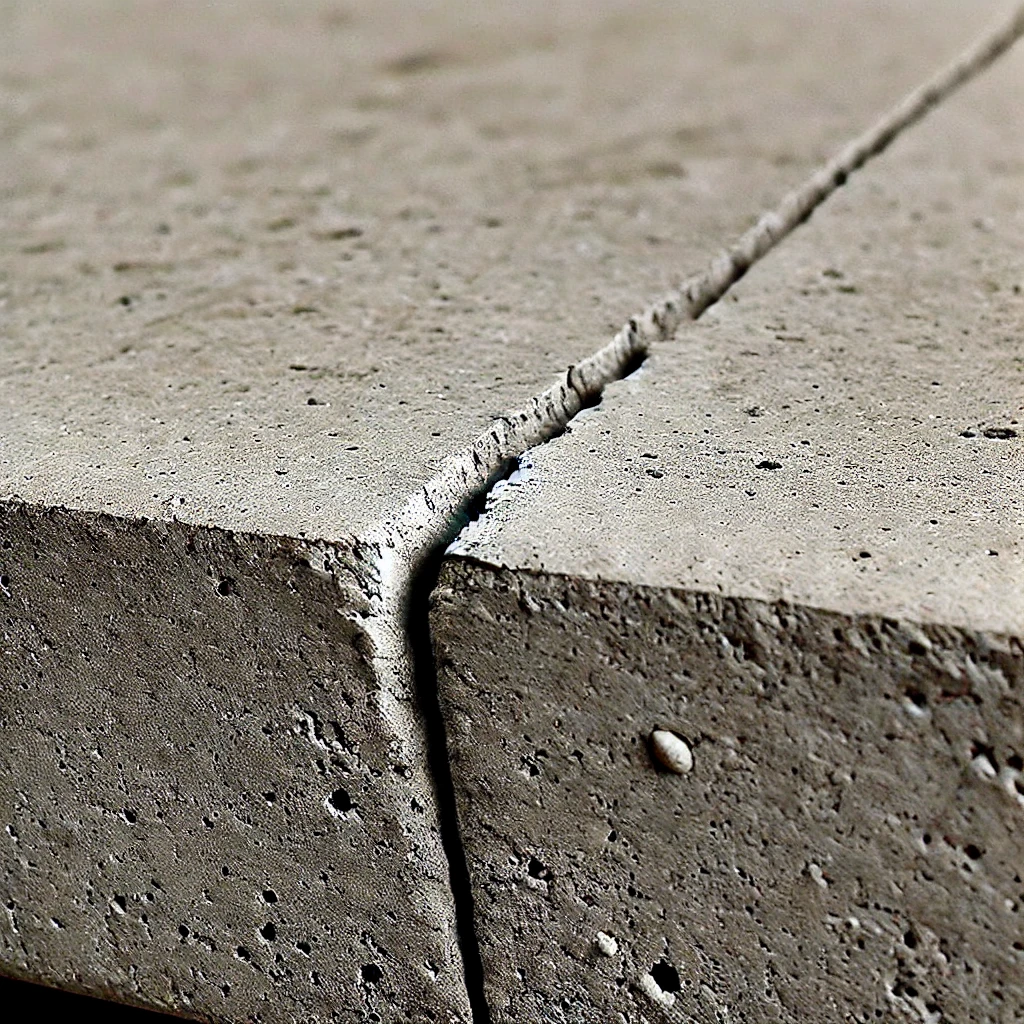
Cracks in concrete are a common issue influenced by various factors. According to Layang (2022), cracks are unavoidable but can be controlled in size. They are categorized into non-structural and structural types, caused by factors ranging from material properties to external loads. Abou-Zeid et al. (2007) explain that cracks can signify both minor and major structural issues, emphasizing the importance of addressing the underlying causes to ensure durable repairs. Uno (2011) highlights that cracks in freshly placed concrete have been a persistent problem since ancient times, with steel reinforcement only mitigating but not eliminating the issue. Reinhardt and Walraven (1982) focus on cracks due to shear stress, finding that concrete quality and reinforcement ratio significantly influence crack behavior. Lastly, Cockerell (2005) introduces a method to deliberately form cracks using specific tools to control the location and nature of cracks in concrete slabs. See our Policy regarding Cracks.
A hairline fracture in a concrete slab is a very thin crack that typically does not affect the structural integrity of the slab. These fractures can occur due to several reasons, including shrinkage during the curing process, thermal expansion and contraction, or minor settling of the foundation. While often considered minor, it is essential to monitor these cracks to ensure they do not expand or indicate more significant underlying issues.
Type IL cement, also known as Portland-limestone cement (PLC), is increasingly being used in place of Type I/II cement for several reasons. Here are some key advantages of using Type IL cement over Type I/II cement:
Environmental Benefits:
Reduced CO2 Emissions: Type IL cement typically contains up to 15% limestone by mass, which replaces some of the clinker content. Since the production of clinker is energy-intensive and generates significant CO2 emissions, using limestone reduces the overall carbon footprint of the cement.
Sustainable Materials: Incorporating limestone, which is abundant and readily available, contributes to more sustainable construction practices.
Improved Workability:
Enhanced Workability: The fine limestone particles in Type IL cement can improve the workability of concrete mixes. This can make the concrete easier to handle and place, especially in applications requiring a smooth, cohesive mix.
Performance Characteristics:
Durability: Type IL cement can offer comparable or even superior durability compared to Type I/II cement. It provides good resistance to sulfate attack and chloride ion penetration, which are critical for the longevity of concrete structures.
Strength Development: Type IL cement typically develops strength at a rate similar to that of Type I/II cement. In some cases, it may even enhance early-age strength.
Regulatory and Standard Compliance:
Standards: Type IL cement meets ASTM C595 specifications for blended hydraulic cements, ensuring it adheres to industry standards for performance and reliability.
Cost Efficiency:
Potential Cost Savings: While the cost of cement can vary based on location and availability, using Type IL cement can potentially lead to cost savings due to the reduced clinker content and the associated lower energy consumption during production.
Support for Green Building Certifications:
LEED Credits: Using Type IL cement can contribute to LEED (Leadership in Energy and Environmental Design) credits for green building certifications, which is increasingly important in the construction industry.
In summary, Type IL cement offers environmental benefits, improved workability, and comparable performance to Type I/II cement, making it a viable and often preferable option for many construction projects.
This is the company you want if you’re looking for reliability and consistency with product and delivery. They cater to all project sizes from backyard patios to major highway construction sites and even remote out-of-reach jobs that most guys wouldn’t even consider providing a bid for. This company has solid leadership and a strong team and has exceeded my expectations on numerous projects. At 96 years old I’ve seen it all and these guys are it. I highly recommend Volume Concrete and guarantee you won’t be disappointed. 10/10
Measuring steps for a concrete project involves several key steps to ensure accurate dimensions and proper construction. Here’s a step-by-step guide: ADD 25% more volume for steps.
1. Determine the Total Rise and Run
Total Rise: Measure the vertical height from the bottom of the staircase to the top (finished floor level).
Total Run: Measure the horizontal distance the stairs will cover from the start to the end.
2. Calculate the Number of Steps
Ideal Step Height (Riser): An ideal riser height is usually between 7 to 8 inches.
Divide the Total Rise: Divide the total rise by the desired riser height to determine the number of steps. Adjust to ensure all steps have the same height.
Example Calculation: If the total rise is 96 inches and the desired riser height is 8 inches, you will need 12 steps (96 ÷ 8 = 12).
3. Determine the Tread Depth
Ideal Tread Depth: A comfortable tread depth (the horizontal part of the step) is typically between 10 to 12 inches.
Adjust the Total Run: Multiply the number of steps by the desired tread depth to ensure it fits within the total run.
Example Calculation: If you have 12 steps and the desired tread depth is 10 inches, the total run will be 120 inches (12 x 10 = 120).
4. Calculate Step Dimensions
Riser Height: Divide the total rise by the number of steps.
Tread Depth: Divide the total run by the number of steps.
5. Mark and Measure the Site
Mark the Top and Bottom: Mark where the top and bottom steps will be located.
Use a String Line: Stretch a string line from the top mark to the bottom mark to ensure straight and level measurements.
Measure and Mark Each Step: Use a measuring tape to mark the height and depth of each step from the string line.
6. Building the Formwork
Cut the Forms: Cut wooden forms to the calculated dimensions of risers and treads.
Assemble the Forms: Assemble the forms securely at the marked locations.
Check for Level and Plumb: Use a level to ensure each step is level and plumb.
7. Pouring the Concrete
Mix Concrete: Mix concrete to the required consistency.
Pour and Level: Pour concrete into the forms, starting from the bottom step and working upwards. Level the concrete for each step.
Smooth the Surface: Use a trowel to smooth the surface of each step.
8. Curing and Finishing
Allow to Cure: Let the concrete cure for the recommended time.
Remove Forms: Carefully remove the forms after the concrete has set.
Finishing Touches: Apply any finishing touches such as edging or texturing for slip resistance.
Tips for Accuracy:
Consistency: Ensure all risers and treads are consistent in height and depth to avoid tripping hazards.
Double-Check Measurements: Re-measure and confirm dimensions before pouring concrete.
Use Proper Tools: Utilize appropriate tools such as levels, measuring tapes, and string lines for accuracy.
This process ensures accurate measurement and construction of concrete steps, providing a safe and durable staircase.