Tag: cement

  • Unlocking the Power of Cement Slurry: Volume Concrete’s Versatile Solution for Modern Construction

    Unlocking the Power of Cement Slurry: Volume Concrete’s Versatile Solution for Modern Construction

    Cement slurry, often referred to as neat cement, is a fundamental and versatile material in the construction industry, playing a critical role in ensuring the durability and stability of various projects. At Volume Concrete, we specialize in providing high-quality cement slurry tailored for specific applications, including cellular concrete production, grouting, and other innovative uses. This detailed overview, as of June 11, 2025, aims to educate and inform, covering the composition, properties, applications, and the specific advantages of Volume Concrete’s product, ensuring you have all the information needed for your construction needs.

    Definition and Composition

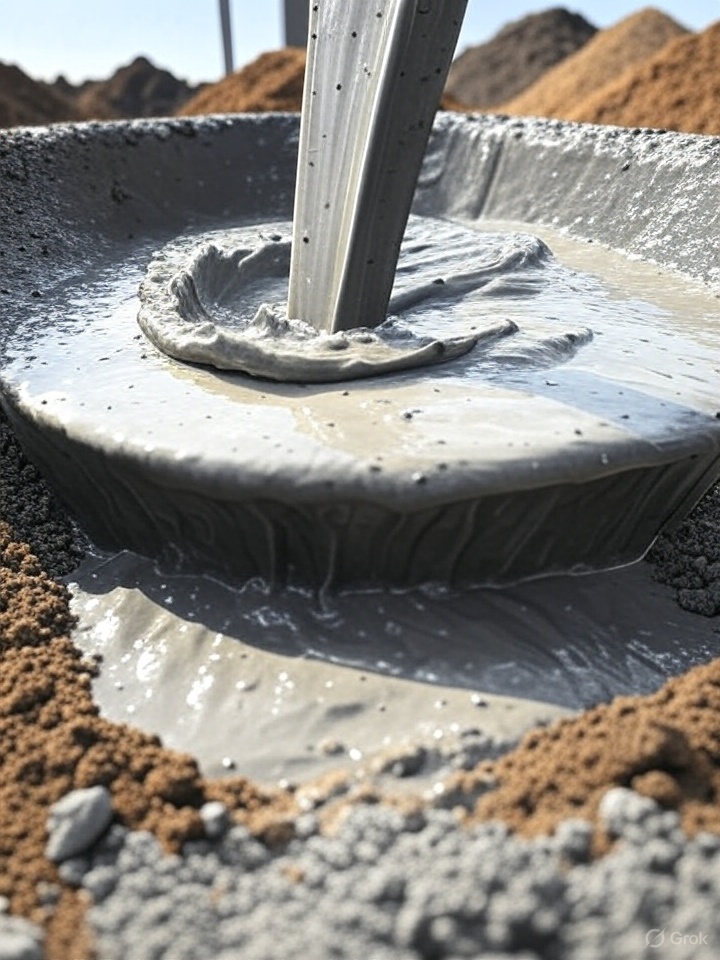
    Cement slurry is defined as a homogeneous mixture of cement, water, and sometimes chemical additives, designed to create a pourable consistency. It is commonly used in construction to create strong and stable foundations, particularly in areas with soft or unstable soil. When poured onto wet ground, it binds with the soil, forming a hard, smooth, and water-resistant layer. The thickness can vary depending on the project, typically applied by pumping into a space or pouring from a cement truck chute.

    • Composition Details:
      • Cement: Typically Portland cement, which provides the binding property essential for hardening.
      • Water: Used to hydrate the cement and achieve the desired consistency, with the amount determined by the water-to-cement (w/c) ratio.
      • Additives: Optional chemical compounds such as accelerators (to speed up setting time), retarders (to slow down setting time), dispersants (to improve workability), and extenders (to reduce cost or density). These are chosen based on the specific application, such as enhancing flowability or controlling setting time for large pours.

    The composition is critical, as it directly influences the slurry’s performance. For instance, Volume Concrete’s most popular slurry has a 0.6 w/c ratio, which we’ll explore further for its implications on strength and workability.

    Properties and Technical Specifications

    The properties of cement slurry are determined by its composition and are crucial for its application. Key properties include:

    • Water-to-Cement Ratio (w/c): This ratio is pivotal, affecting the slurry’s strength, durability, and workability. A lower w/c ratio, such as below 0.5, generally results in higher compressive strength but reduced workability, making it harder to pump or pour. Conversely, a higher ratio, like Volume Concrete’s 0.6, improves workability but may slightly reduce final strength. Research suggests that for cellular concrete, a range of 0.40 to 0.80 is common, with many designs falling between 0.50 and 0.65. Volume Concrete’s 0.6 ratio is a balanced choice, ensuring good flow while maintaining structural integrity.
    • Density (Pot Weight): Measured in pounds per cubic foot (pcf), density indicates the slurry’s weight per unit volume. Volume Concrete’s slurry has a pot weight of 108 pcf, which is typical for a base slurry before adding foam for cellular concrete. This density is crucial for calculating volumes and ensuring the slurry performs as expected in applications like grouting or as a base for cellular concrete. Calculations show that for a 0.6 w/c ratio, the density aligns with approximately 108.8 pcf, confirming it’s reasonable for a cement paste without aggregates.
    • Rheology: This refers to the slurry’s flowability and setting time, influenced by the w/c ratio and additives. For instance, dispersants can reduce viscosity, making the slurry easier to pump, while retarders extend setting time for large pours. In cellular concrete production, the slurry’s rheology must be compatible with foam injection, ensuring uniform air bubble distribution.
    • Compressive Strength and Stability: The strength develops over time, with minimum requirements like 500 psi after 24 hours for some applications. Stability, measured by free-fluid tests, ensures no excessive sedimentation, critical for liner and horizontal well cementing. For Volume Concrete’s slurry, the 0.6 w/c ratio suggests it can achieve adequate strength for most construction uses, especially when additives are tailored for specific needs.

    Applications and Uses

    Cement slurry’s versatility makes it indispensable across various construction scenarios. Here, we detail its primary and innovative applications, including those specifically mentioned by Volume Concrete and additional ideas for potential uses:

    1. Cellular Concrete Production:
      • When cement slurry is mixed with preformed foam, it transforms into cellular concrete, a lightweight material used for insulation, void filling, and structural applications. Cellular concrete offers benefits such as reduced weight, improved thermal insulation, and fire resistance, making it ideal for roofs, bridge abutments, and reducing loads on underground utilities. Production can be batch-wise or continuous, with continuous methods allowing higher volumes and on-the-go density adjustments.
    2. Grouting:
      • Cement slurry is used to fill voids, cracks, or spaces in structures, enhancing integrity and stability. It’s essential in foundation work, tunnel construction, and repairing concrete structures, such as filling gaps in under-slab tunneling or lifting sunken slabs. The consistency can be adjusted, thinner for filling (like pancake batter) and thicker for lifting (like cookie dough), depending on the purpose.
    3. Soil Stabilization:
      • Injecting cement slurry into weak or unstable soil strengthens it, providing a solid base for construction. This is particularly useful in areas with poor soil conditions, such as soft or damp ground. It supports heavy loads and resists moisture, making it ideal for roads, parking lots, and building foundations.
    4. Slurry Walls:
      • These are constructed by excavating a trench and filling it with cement slurry, which hardens to form a barrier. Slurry walls prevent water seepage, contain contaminants, or provide structural support, crucial for environmental protection and structural integrity in construction projects.
    5. Foundation Repair:
      • Cement slurry can lift and level sunken concrete slabs or fill voids beneath foundations, restoring structural integrity. This application is used in under-slab tunneling and concrete repair, with consistency adjusted for filling (thinner) or lifting (thicker).
    6. Other Uses and Innovative Ideas:
      • Paving: Creates smooth, durable surfaces for parking lots and driveways, forming a water-resistant layer.
      • Road Repair: Fills cracks and potholes, repairing damaged concrete surfaces like countertops and floors.
      • Tile and Brick Bonding: Acts as a bedding material for laying tiles, stones, and bricks.
      • Pipeline Lubrication: Used in concrete pumping to lubricate pipelines, ensuring smooth flow.
      • 3D Printing of Concrete: Emerging use in creating complex, customized structures, leveraging slurry’s flowability.
      • Self-Healing Concrete: Research into adding microcapsules or bacteria to autonomously repair cracks, extending structure lifespan, enhancing durability and reducing maintenance costs.
      • Sustainable Construction: Incorporating supplementary cementitious materials (SCMs) like fly ash and slag to reduce carbon footprint, promoting eco-friendly construction.
      • Underwater Construction: Specialized slurries for marine environments, ensuring performance in challenging conditions.
      • Rapid Setting Applications: For emergency repairs or quick construction, slurries with accelerators can set in minutes, enhancing project efficiency.

    These applications highlight cement slurry’s role in both traditional and cutting-edge construction, with Volume Concrete’s product well-suited for many of these needs.

    Volume Concrete’s Specific Product and Advantages

    Volume Concrete’s most popular cement slurry is formulated with a 0.6 w/c ratio and a pot weight of 108 pcf, ensuring optimal performance for cellular concrete, grouting, and other applications. This formulation is calculated to have a density of approximately 108.8 pcf, aligning with expectations for a base slurry before foam addition for cellular concrete.

    • Why Choose Volume Concrete’s Slurry?
      • Consistency: Every batch is produced with precision to meet strict quality standards, ensuring reliability.
      • Versatility: Suitable for a wide range of applications, from cellular concrete production to grouting and soil stabilization.
      • Reliability: Designed to perform consistently, even in challenging conditions, with the 0.6 w/c ratio providing a balance of workability and strength.
      • Customization: We can tailor formulations, including the addition of additives like water reducers or superplasticizers, to meet specific project requirements, especially for cellular concrete where lower w/c ratios might be needed with high shear mixers.

    This focus on quality and adaptability makes Volume Concrete’s slurry a top choice for contractors and builders.

    Future Trends and Innovations

    Looking ahead, cement slurry is at the forefront of innovative construction techniques, reflecting its evolving role:

    • 3D Printing of Concrete: Utilizes cement slurry’s flowability for creating complex, customized structures, a growing field in construction technology.
    • Self-Healing Concrete: Research, as part of future trends, involves adding microcapsules or bacteria to slurry, enabling autonomous crack repair and extending structure lifespan, enhancing durability and reducing maintenance costs.
    • Sustainable Construction: The incorporation of SCMs like fly ash and slag reduces the carbon footprint, promoting eco-friendly construction.
    • Underwater Construction: Specialized slurries are developed for marine environments, ensuring performance in challenging conditions.
    • Rapid Setting Applications: For emergency repairs or quick construction, slurries with accelerators can set in minutes, enhancing project efficiency.

    These trends underscore cement slurry’s potential to meet the evolving needs of the construction industry, with Volume Concrete positioned to support these advancements.

    Importance and Conclusion

    Choosing the right cement slurry is crucial for the success of any construction project, ensuring durability, structural integrity, and cost-effectiveness. At Volume Concrete, we understand this importance and are committed to delivering top-tier cement slurry that meets the highest standards of quality and performance. Whether you’re producing cellular concrete, grouting foundations, or exploring innovative applications, our slurry, with its 0.6 w/c ratio and 108 pcf pot weight, is designed to empower builders and contractors with reliability and versatility.

    This comprehensive overview, as of June 11, 2025, aims to provide all the details you need to make informed decisions for your construction projects, highlighting cement slurry’s role as a cornerstone of modern construction.

    Key Citations
  • Detailed Analysis of Global Cement Production and Ownership

    Detailed Analysis of Global Cement Production and Ownership

    Delivering Ready Mix Concrete Monday – Saturday

    The global cement industry is a critical component of infrastructure development, with production and ownership structures reflecting economic, political, and environmental dynamics. This note provides a comprehensive analysis of who produces and owns cement worldwide, based on recent data and industry trends as of May 31, 2025. It expands on the key points and includes detailed insights into major producers, country-level production, and ownership structures.

    Global Cement Production Landscape

    Cement production is heavily concentrated in certain countries, with China leading by a significant margin. In 2023, China produced over 2.1 billion metric tons, accounting for approximately 50% of global output.

    India follows with 410 million metric tons, and Vietnam with 110 million metric tons, highlighting Asia’s dominance in the sector. This concentration is driven by rapid urbanization and infrastructure projects, particularly in China, where cement is a cornerstone of construction, unlike regions like the United States, where wood is more common for housing.

    The industry faces challenges, including environmental concerns, with large-scale production contributing to pollution, especially in China, where state support has boosted over-production.

    Sustainability efforts, such as reducing CO2 emissions, are increasingly important, with companies like HeidelbergCement and Holcim investing in alternative fuels and low-carbon technologies.

    Major Cement Producers and Their Capacities

    The largest cement companies by production capacity, based on 2024 and 2025 data, are as follows:

    RankCompany NameProduction Capacity (Million Metric Tons/Year)Headquarters
    1China National Building Material Co. Ltd. (CNBM)530China
    2Anhui Conch Cement Company Limited288China
    3Holcim274Switzerland
    4HeidelbergCement121Germany
    5Cemex87Mexico

    This table is derived from recent industry reports, such as Statista – Capacity of biggest global cement producers 2024 and Construction Kenya – Top 10 Largest Cement Producers. Note that there was a discrepancy in earlier data, with some sources listing CNBM’s capacity lower (e.g., 176.22 million metric tons), but the most recent Statista data (March 2025) confirms 530 million, suggesting updates in capacity or reporting methods.

    Other notable producers include China Resources Cement Holdings (71 million metric tons, state-owned), Taiwan Cement Corporation (64 million metric tons, publicly traded), Eurocement (45 million metric tons, likely private with possible state ties in Russia), and Votorantim Cimentos (45 million metric tons, privately held by the Brazilian Votorantim Group).

    Ownership Structures and State Influence

    Ownership is a critical aspect, with significant variation across companies:

    • State-Owned Enterprises (SOEs):
      • CNBM is fully state-owned by the Chinese government, reflecting China’s strategy to control key industries .
      • China Resources Cement Holdings is part of China Resources, another state-owned enterprise, emphasizing state dominance in China’s cement sector.
      • Anhui Conch, while publicly listed on the Hong Kong and Shanghai Stock Exchanges, has its largest shareholder, Anhui Conch Holdings, owned by the Anhui Provincial People’s Government via subsidiaries like Anhui Provincial Investment Group Holdings Co., Ltd. and China Conch Venture Holdings . This structure indicates significant state influence, with the government controlling major stakes.
    • Publicly Traded Companies:
      • Holcim, headquartered in Switzerland, is publicly traded on the SIX Swiss Exchange, formed by the merger of Lafarge and Holcim in 2015 . It operates in over 90 countries, focusing on sustainability and innovation.
      • HeidelbergCement, based in Germany, is listed on the Frankfurt Stock Exchange, with operations in over 50 countries, emphasizing sustainable practices like reducing CO2 emissions .
      • Cemex, headquartered in Mexico, is listed on both the Mexican Stock Exchange and the New York Stock Exchange, serving the Americas and beyond .
      • Taiwan Cement Corporation, based in Taiwan, is publicly traded, reflecting the region’s industrial focus .
    • Private Companies:
      • Votorantim Cimentos, the largest in Brazil, is privately held by the Votorantim Group, a conglomerate with diverse interests .
      • Eurocement, Russia’s largest, is likely private, though large Russian companies often have indirect state ties, though specific ownership details were not fully clarified in the data .

    Mergers, Acquisitions, and Industry Dynamics

    The cement industry has seen significant consolidation, affecting ownership and market share. For instance, Holcim was formed by the merger of Lafarge and Holcim in July 2015, creating one of the largest global players.

    Similarly, Italcementi (Italy) became part of HeidelbergCement in 2016, expanding its global footprint.

    Technological advancements, such as AI in supply chain optimization, are enhancing operational efficiency, with companies like Anhui Conch collaborating with Huawei on AI models for cement production.

    These innovations are crucial for meeting growing demand, driven by infrastructure projects and government initiatives, particularly in Asia

    Economic and Environmental Implications

    Cement production is closely tied to economic growth, with demand often reflecting real estate and infrastructure activity.

    However, the environmental impact is significant, with China’s cement industry criticized for pollution despite economic benefits.

    Companies are responding with sustainability goals, such as Anhui Conch’s target to reduce emissions intensity by 6% by 2025 compared to 2020, aligning with China’s carbon peak and neutrality goals

    Conclusion

    In summary, no single entity produces or owns all the cement in the world; instead, the industry is dominated by a mix of state-owned enterprises (especially in China), publicly traded companies, and private firms. Chinese companies like CNBM (state-owned, 530 million metric tons/year) and Anhui Conch (state-influenced, 288 million metric tons/year) lead in capacity, followed by international players like Holcim (publicly traded, 274 million metric tons/year) and HeidelbergCement (publicly traded, 121 million metric tons/year). Ownership structures reflect national policies, with China’s state control contrasting with the public and private models in other regions. This diversity underscores the global and multifaceted nature of the cement industry as of May 31, 2025.

    Key Citations

    Global Cement Market 2025

    Global Cement Market Overview 2025

    This post explores the world cement market, highlighting production by country, key producers’ capacities, and ownership details. Data is based on 2023-2024 figures and 2025 projections from sources like Statista, World Population Review, and IMARC Group.

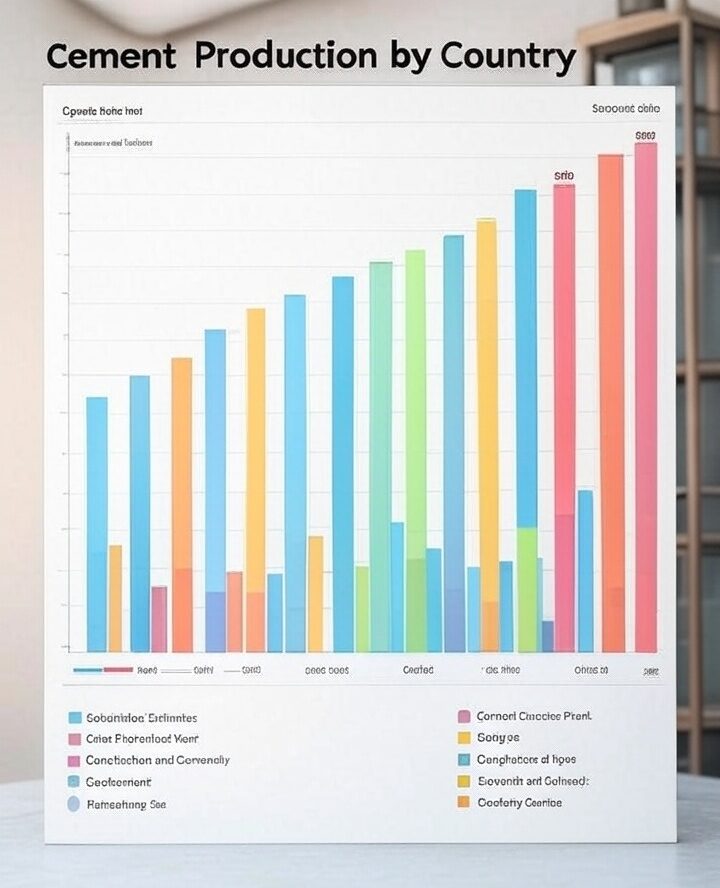
    Cement Production by Country (Million Metric Tons, 2023 & 2025 Est.)

    Key Producers, Capacity, and Ownership

    Company Headquarters Production Capacity (Million Metric Tons/Year, 2024) Ownership
    China National Building Material (CNBM) China 530 State-owned
    Anhui Conch Cement China 288 Publicly listed, state-influenced
    Holcim Switzerland 274 Publicly traded
    HeidelbergCement Germany 121 Publicly traded
    Cemex Mexico 87 Publicly traded

    Market Insights:

    • Total Production (2023): 4.1 billion metric tons, estimated to remain stable or grow slightly by 2025 due to demand in Asia, Africa, and infrastructure projects.
    • Market Value: Valued at USD 407.4 billion in 2024, projected to reach USD 673.8 billion by 2033 (CAGR 5.16%).
    • Trends: Shift toward sustainable cement (e.g., blended cement with fly ash, slag), driven by environmental regulations and urbanization.
    • Key Drivers: Population growth, infrastructure investments (e.g., India’s Smart Cities Mission), and eco-friendly production innovations.
    • Free Weekly Leads Generator Report for 1/9/2026 Washington Edition

      Free Weekly Leads Generator Report for 1/9/2026 Washington Edition

      Washington State Concrete Contract Leads – January 9, 2026 Washington State Concrete Contract Leads – January 9, 2026 This internal report compiles open bids for Washington state contracts involving concrete work, construction, paving, repair, or related materials/services. Focus is on opportunities relevant to concrete supply, pouring, repair, or paving. Entries are sorted by category and…

    • Free Weekly Leads Generator Report for 1/9/2026 Idaho Edition

      Free Weekly Leads Generator Report for 1/9/2026 Idaho Edition

      Idaho State Concrete Contract Leads – January 9, 2026 Idaho State Concrete Contract Leads – January 9, 2026 This internal report compiles open bids for Idaho state contracts involving concrete work, construction, paving, repair, or related materials/services. Focus is on opportunities relevant to concrete supply, pouring, repair, or paving. Entries are sorted by category and…

    • Free Weekly Leads Generator Report for 1/9/2026 Oregon Edition

      Free Weekly Leads Generator Report for 1/9/2026 Oregon Edition

      Weekly Concrete Contract Leads Report – Week Ending January 9, 2026 Weekly Concrete Contract Leads Report – Week Ending January 9, 2026 Dear Volume Concrete Team, This is your internal weekly roundup of new and updated bid opportunities for concrete work, construction, paving, and related services in Oregon, with a focus on Portland. Curated from…

    • Finding Local Construction Leads in Oregon

      Finding Local Construction Leads in Oregon

      Daily Lead Gen: Local Construction Leads in Oregon Daily Lead Gen: Finding Local Construction Leads in Oregon Date: January 09, 2026 Guide for Volume Concrete to find state/local bids in Oregon/Portland. Focus on concrete-related projects (e.g., roads, infrastructure). Free to register on most sites. Why? Access state, city, metro contracts for construction work. Key Resources…

    • Daily Lead Generation Report: Guide to Acquiring a SAM.gov Account for Federal Concrete Contracts

      Daily Lead Generation Report: Guide to Acquiring a SAM.gov Account for Federal Concrete Contracts

      Daily Lead Generation Report: Guide to Acquiring a SAM.gov Account for Federal Concrete Contracts Daily Lead Generation Report: Comprehensive Guide to Acquiring a SAM.gov Account Date: January 09, 2026 This report provides a step-by-step HTML guide for registering on SAM.gov, essential for accessing federal contracts out for bid relevant to Volume Concrete (e.g., infrastructure, construction…

    • Comprehensive Guide to NAICS Codes for Construction: Concrete Contractors Edition 2026 | Volume Concrete Internal Resource DECLASSIFIED

      Comprehensive Guide to NAICS Codes for Construction: Concrete Contractors Edition 2026 | Volume Concrete Internal Resource DECLASSIFIED

      Comprehensive Interactive Guide to NAICS Codes for Construction: Focus on Concrete Industry DECLASSIFIED TOP SECRET // INTERNAL USE ONLY Comprehensive Interactive Guide to NAICS Codes for Construction: Focus on Concrete Industry Volume Concrete Team – Declassified for Internal Training Purposes Only! This redacted document provides an in-depth, interactive guide to NAICS codes relevant to our…

    • Volume Concrete: Leading Experts in Cellular Grout and Concrete in the Pacific Northwest

      Volume Concrete: Leading Experts in Cellular Grout and Concrete in the Pacific Northwest

      Volume Concrete: Experts in Cellular Grout and Concrete Solutions in the Pacific Northwest Volume Concrete: Pioneering Cellular Grout and Concrete in the Pacific Northwest Introduction to Volume Concrete Based in the heart of the Pacific Northwest, Volume Concrete (volumeconcrete.com) is your trusted partner for innovative concrete solutions. Specializing in cellular grout and cellular concrete, we…

    • Class 8 Trucks for Ready Mix: Top US Models, Comparisons & Dependability Insights

      Class 8 Trucks for the Ready Mix Industry: Insights and Comparisons Class 8 Trucks for the Ready Mix Industry: What’s Sold in America In the ready mix concrete industry, Class 8 trucks form the backbone of operations, hauling heavy loads of cement, aggregates, and water across job sites. These heavy-duty vehicles, with a Gross Vehicle…

    • Top 5 Roller Coasters in America 2026 – don’t argue lol

      Top 5 Roller Coasters in America: Thrills That’ll Rock Your World! – Volume Concrete Insights Top 5 Roller Coasters in America: Thrills That’ll Rock Your World! (2026 Edition) Posted on January 7, 2026 | By the Adrenaline Junkies at Volume Concrete LLC Hey thrill-seekers! At Volume Concrete, we pour rock-solid foundations that can handle anything…

  • Worldwide Cement Consumption

    Worldwide Cement Consumption

    Key Points

    Worldwide Cement Consumption: America’s Enduring Strength (Revised Dec 2025)

    🇺🇸 Worldwide Cement Consumption:
    America’s Enduring Strength in a Global Market

    Building the Backbone of Freedom – From Coast to Coast

    Revised December 2025 – Updated with the latest global data, U.S. construction surges, and forward-looking projections for American innovation.

    A Proud American Legacy in Cement

    As the land of the free and home of the brave, America has long stood as a beacon of innovation and resilience. Our concrete foundations power the world’s mightiest infrastructure – from the Golden Gate Bridge to the endless highways that connect our great nation. While global cement consumption tells a story of worldwide growth, it’s the American spirit that drives sustainable, high-quality production right here at home. At Volume Concrete, we’re proud to fuel America’s build with ready-mix excellence, supporting jobs, communities, and the American Dream.

    Proudly Made in the USA – Where Strength Meets Freedom

    Global Cement Consumption: The Big Picture (2025 Update)

    Worldwide, cement remains the lifeblood of progress, with consumption stabilizing at approximately 4.15 billion metric tons in 2025 – a modest 1-2% recovery from 2024’s 4.2 billion tons (excluding China’s fluctuations). This growth, valued at over $410 billion, is propelled by urbanization in Asia and Africa, but America’s efficient, eco-conscious production sets the global standard.

    • Top Consumers (2025 Est.): China (~2.1B tons, 51%), India (~400M tons, 9.5%), EU (~180M tons, 4.3%), and emerging markets like Vietnam and Brazil.
    • U.S. Share: A mighty 2.3% globally, but with unmatched per-capita impact – powering our infrastructure renaissance.
    • Key Driver: Data centers alone projected to consume 247,000 tons worldwide in 2025, with America leading the charge in AI-fueled builds.

    Emissions challenge remains: Cement accounts for 4-8% of global CO2, but U.S. innovations in low-carbon mixes (like Type IL) are leading the green revolution.

    America’s Construction Boom: Today and Tomorrow

    In 2025, U.S. new construction starts reflect our unbreakable drive: 1.31 million annualized housing units in August alone, with single-family homes at 890,000 – down slightly from peaks but steady amid economic headwinds. Total authorizations hit ~1.5 million units in 2024, aligning with pre-2008 norms, yet we’re tackling a 2.5-5.5 million unit housing shortfall through bold projects.

    Cement consumption? A resilient ~100 million tons projected for 2025 (down 1.6% from 2024’s dip), but market value surges to $15.22 billion at 4.5% growth. Nonresidential sectors like highways (+11% in Q4 2024) shine, fueled by federal investments.

    Sector2025 Starts/Consumption (Est.)Key American Wins
    Single-Family Housing~950,000 unitsReviving the suburbs – family homes for the next generation
    Multifamily316,000 units (5+)Urban renewal: Affordable living in red, white, and blue cities
    Nonresidential (Data Centers)1M tons cement by 2028AI powerhouse: 6,000 centers by 2027, securing U.S. tech dominance
    Infrastructure (Highways/Bridges)+11% growthIIJA legacy: Rebuilding America, one mile at a time

    Future Expectations: America’s Horizon of Opportunity (2026-2030)

    Looking ahead, the stars and stripes wave high for U.S. construction. Total spending climbs to $1.26 trillion in 2026 (+4%), with nonresidential buildings up 3% and infrastructure at +4.1%. By 2030, North American cement volume hits 252 million tons (4.42% CAGR), market value $26 billion – driven by AI data centers (5x historic levels), renewable energy (+6.5%), and healthcare modernizations.

    • Global Projection: 4.8B tons by 2026, 12-23% growth by 2050 – but non-OECD demand (Asia/Africa) surges to 56%.
    • U.S. Boom: +1.8% investment pivot in 2026; 500,000 new jobs needed. Data centers alone: $61.6B spend by 2030. Residential rebounds with rates <5.5%, adding 30M population-fueled demand.
    • Patriotic Edge: Tariffs boost domestic production; green tech like CCS positions America as the world’s sustainable builder.

    Challenges? Labor shortages (439,000 gap in 2026) and costs – but American ingenuity prevails. We’re not just building structures; we’re forging the future.

    Global vs. U.S. Cement Trends: A Visual Salute

    Disclaimer: Data sourced from USGS, Statista, ACA, Census Bureau, Deloitte, and industry forecasts (as of Dec 2025). Estimates vary; actuals depend on policy, economy, and innovation. For project-specific needs, consult Volume Concrete – America’s trusted partner.

    🇺🇸 Built Strong, Built Proud – Volume Concrete

    • Research suggests global cement consumption has grown significantly, reaching about 4.1 billion metric tons in 2023, driven by urbanization and infrastructure.
    • It seems likely that China dominates, accounting for over 51% of consumption, with India and the EU also major players.
    • The evidence leans toward cement production contributing 4-8% of global CO2 emissions, posing environmental challenges.
    • Future projections indicate continued growth, especially in developing regions, with efforts toward sustainability like low-carbon technologies.

    Cement is a vital material in construction, forming the basis of concrete used in buildings, roads, and infrastructure worldwide. Its consumption reflects economic activity, particularly in developing regions undergoing rapid urbanization. This article explores global cement consumption trends, highlighting its growth, geographical distribution, environmental impact, and future outlook, aiming to provide a comprehensive understanding for readers interested in construction and sustainability.

    Historical Context

    Global cement consumption has seen exponential growth over decades. In 1995, production was around 1.39 billion metric tons, rising to 4.1 billion metric tons by 2023, a nearly threefold increase. This growth is largely driven by Asia, with China’s production surging 100-fold from 1970 to 2020 due to massive infrastructure projects. Outside China, production grew 3.2 times over the same period, reflecting global urbanization trends.

    Geographical Insights

    China leads global cement consumption, accounting for 51.6% of production in 2022, translating to about 2.1 billion metric tons in 2023. India follows with 9.5% (around 400 million metric tons), and the EU27 at 4.3%. Other notable consumers include the US (2.3%), Vietnam, Turkey, and Indonesia. This distribution shows a shift from OECD countries, which saw their share drop from 64% in 1970 to 12% in 2020, to emerging economies in Asia and Africa, projected to dominate future demand.

    Driving Factors

    Several factors fuel cement consumption:

    • Economic Growth: Increased infrastructure and housing needs accompany economic expansion.
    • Urbanization: With 68% of the global population expected to live in urban areas by 2050, new construction drives demand.
    • Infrastructure Projects: Governments invest in roads, bridges, and dams, major cement users.
    • Population Growth: Rising populations, especially in developing countries, increase housing needs.

    These drivers are particularly strong in regions like Africa, where population growth is expected to make it the largest cement producer by century’s end, despite lower per capita demand.

    Environmental Concerns

    The cement industry significantly impacts the environment, contributing 4-8% of global CO2 emissions. This arises from calcination (releasing CO2 from limestone) and energy use, often fossil fuel-based. In 2023, emissions were around 2.4 billion metric tons, with China contributing the most. Other impacts include air pollution, water usage, and land disruption from quarrying, exacerbating urban heat islands and runoff issues in cities.

    Industry and Market Dynamics

    The cement market is fragmented, with leaders like LafargeHolcim, Anhui Conch Cement, and China National Building Material Company. Only 2.6% of cement is traded globally, indicating local consumption dominance. Challenges include overcapacity in China and a push for sustainability, with companies investing in carbon capture and alternative fuels to meet regulatory pressures.

    Future Outlook

    Global cement consumption is projected to grow 12-23% by 2050, with demand outside China and OECD rising from 30% today to 56% by 2050 and 84% by 2100. Sustainability efforts include low-carbon cements, energy efficiency, and recycling, aiming to reduce the industry’s carbon footprint while meeting infrastructure needs. Balancing growth with environmental goals will be crucial as urbanization continues.


    Worldwide Cement Consumption: An In-Depth Survey Note

    Cement, a fundamental component of concrete, is indispensable for global construction, underpinning infrastructure, housing, and urban development. This survey note provides a detailed examination of worldwide cement consumption, covering historical trends, geographical distribution, influencing factors, environmental impacts, industry dynamics, and future projections, based on recent data and analyses as of May 2025.

    Historical Trends and Statistics

    Global cement consumption has experienced significant growth over the past decades, reflecting the expansion of construction activities worldwide. Historical data indicates that in 1995, global cement production was approximately 1.39 billion metric tons, escalating to an estimated 4.1 billion metric tons by 2023, according to Statista – Global cement production. This nearly threefold increase highlights the industry’s response to urbanization and economic development.

    Key historical trends include:

    • China’s cement production surged 100-fold from 1970 to 2020, driven by rapid urbanization and infrastructure projects, as noted in Rhodium Group – The Global Cement Challenge. By 2023, China accounted for 51.6% of global production, per GCCA – Key Facts.
    • Outside China, global cement production grew by 3.2 times from 1970 to 2020, reflecting demand in other developing regions.
    • The OECD’s share in global cement production declined from 64% in 1970 to 12% in 2020, as emerging economies took the lead, per Rhodium Group.

    Specific consumption figures, such as 2020’s global consumption contracting by 0.2% to 4,143.7 million metric tons, are detailed in Uncertain times from International Cement Review, with China alone consuming 2,377.68 million metric tons, or 57% of the global total.

    Geographical Distribution

    Cement consumption is closely aligned with production due to the material’s low trade volume (only 2.6% globally traded, per Rhodium Group). The geographical distribution is as follows:

    • Top Consuming Countries (2022 Data):
      • China: 51.6% of global production, approximately 2.1 billion metric tons in 2023, as per Statista – Cement production by country.
      • India: 9.5%, around 400 million metric tons in 2023, per Statista.
      • EU27: 4.3%, per GCCA – Key Facts.
      • United States: 2.3%, with production at 91 million metric tons in 2023, per Statista.
      • Other significant consumers include Vietnam (120 million metric tons), Turkey, Indonesia, Brazil, Iran, Russia, Egypt, Saudi Arabia, and South Korea, as listed in GCCA.
    • Regional Shifts:
      • Asia dominates, with China and India leading due to infrastructure needs. Rhodium Group projects that demand outside China and OECD will rise from 30% of the global total today to 56% by 2050 and 84% by 2100.
      • Africa is expected to become the largest cement producer by the end of the century due to population growth, though per capita demand remains lower than in developed regions, per Rhodium Group.
      • The Middle East and Asia (excluding China) are projected to see per capita demand levels between China and OECD, with overall demand doubling by 2050 due to population growth, as per Rhodium Group.

    This distribution underscores the shift from industrialized regions to emerging economies, driven by urbanization and population growth.

    Factors Influencing Consumption

    Several factors drive global cement consumption, as identified in various analyses:

    • Economic Growth: As economies expand, there is increased demand for infrastructure and housing. For instance, China’s economic boom in the early 2000s significantly boosted cement consumption, per [Rhodium Group](https://rhodium Group – The Global Cement Challenge).
    • Urbanization: The United Nations projects that 68% of the global population will live in urban areas by 2050, up from 55% in 2018, driving construction needs, as noted in GCCA – Key Facts.
    • Infrastructure Development: Major projects like roads, bridges, and dams are significant cement consumers. China’s Belt and Road Initiative is a prime example, per Rhodium Group.
    • Population Growth: Rising populations, especially in developing countries, increase housing and public facility needs, with Africa projected to see significant growth, per Rhodium Group.
    • Government Policies: Stimulus packages and infrastructure investments, such as post-COVID recovery efforts, have boosted consumption, as seen in 2020 data from Uncertain times from International Cement Review.

    These factors are particularly pronounced in regions undergoing rapid development, such as Asia and Africa.

    Environmental Impact

    The cement industry’s environmental impact is substantial, primarily due to its high energy consumption and CO2 emissions, as detailed in multiple sources:

    Efforts to mitigate these impacts include alternative fuels, carbon capture and storage (CCS), and developing low-carbon cement technologies, as discussed in Cut Carbon and Toxic Pollution, Make Cement Clean and Green – NRDC.

    Industry and Market Analysis

    The global cement industry is highly fragmented, with numerous players ranging from small local producers to large multinationals. Key dynamics include:

    The industry is influenced by government regulations, particularly those aimed at reducing CO2 emissions and promoting sustainable construction practices.

    Future Projections and Sustainability

    Future projections indicate continued growth in global cement consumption, driven by urbanization and infrastructure needs in developing regions. Key projections include:

    Balancing growth with environmental goals will be crucial as urbanization continues, with the industry playing a pivotal role in shaping the global built environment.

    Conclusion

    Worldwide cement consumption is a critical aspect of global economic and societal development, reflecting the world’s growing need for infrastructure, housing, and urbanization. Historically dominated by China and India, future growth is expected to shift towards Africa and other developing regions. While cement is indispensable, its production contributes significantly to global CO2 emissions (4-8%) and other environmental issues. The industry must balance its role in supporting development with sustainability, through innovation, policy changes, and greener technologies, to ensure a sustainable future as the world continues to urbanize and develop.


    Key Citations

  • Limestone Calcined Clay Cement (LC3) as a Next-Generation Solution

    Limestone Calcined Clay Cement (LC3) as a Next-Generation Solution

    Concept: Limestone Calcined Clay Cement (LC3) combines limestone with calcined clay to create a low-carbon alternative to traditional Portland cement. It leverages limestone’s benefits while incorporating clay’s pozzolanic properties to further reduce clinker content and emissions.

    • Environmental Impact: LC3 can reduce CO₂ emissions by up to 30-40% compared to traditional cement, surpassing PLC’s 10% reduction. This is due to the lower clinker content (often 50% or less) and the use of widely available clay, as noted in ACEEE.
    • Performance: LC3 offers comparable or superior strength and durability, with improved resistance to chloride ingress, making it ideal for marine environments, according to Global Cement and Concrete Association.
    • Adoption Challenges: While LC3 is gaining traction in regions like India and Latin America, scaling in the U.S. requires investment in calcination infrastructure and regulatory approval. This could be a future focus for limestone’s role in cement.
    • Integration: Add a section on LC3 as an evolution of PLC, highlighting limestone’s continued centrality in innovative cement formulations. Discuss its potential to complement PLC in markets with abundant clay resources.

    2. Carbon Capture and Utilization (CCU) with Limestone in Cement

    Concept: Limestone can be integrated into carbon capture and utilization processes, where CO₂ from cement production is captured and mineralized into limestone-like compounds or used to enhance concrete curing, further reducing the industry’s carbon footprint.

    • Technology: Companies like CarbonCure (referenced in the original analysis) inject CO₂ into concrete mixes, where it reacts with calcium from limestone to form stable carbonates, locking carbon away. This can reduce emissions by an additional 5-10%, as per CarbonCure Technologies.
    • Circular Economy: Captured CO₂ can be used to produce synthetic limestone aggregates, creating a closed-loop system. This aligns with the sustainability narrative of the original analysis.
    • Scalability: While promising, CCU technologies require significant upfront investment and energy, which could be a barrier. However, they enhance limestone’s role as a sustainability enabler.
    • Integration: Introduce a subsection on CCU, linking it to limestone’s chemical reactivity and its potential to make cement production carbon-neutral or even carbon-negative in the future.

    3. Limestone’s Role in Geopolymer and Alternative Binders

    Concept: Limestone can be used in geopolymer cements or alkali-activated materials, which are low-carbon alternatives to Portland cement. These binders use industrial byproducts like fly ash or slag, with limestone as a filler or activator.

    • Sustainability: Geopolymers can reduce emissions by 60-80% compared to Portland cement, as they require no clinker. Limestone enhances workability and acts as a reactive filler, per Global Cement and Concrete Association.
    • Applications: These binders are gaining interest for niche applications like precast concrete and infrastructure in harsh environments, where limestone’s fine particles improve durability.
    • Challenges: Limited availability of precursors (e.g., fly ash due to coal plant phase-outs) and slower standardization hinder adoption. Limestone’s abundance makes it a reliable component to bridge this gap.
    • Integration: Expand the analysis to include a discussion on alternative binders, positioning limestone as a versatile ingredient across both traditional and novel cement systems.

    4. Regional and Geological Variations in Limestone Quality

    Concept: The quality and composition of limestone vary by region, affecting its suitability for cement production. Exploring these variations can highlight optimization strategies and regional adoption trends.=

    • Quality Factors: High-purity limestone (>90% CaCO₃) is ideal for cement, but impurities like silica or magnesium can affect performance. Regions like Karnataka, India, with vast high-quality reserves, have a competitive edge, as noted in LinkedIn.
    • Optimization: Advanced processing techniques, such as selective quarrying or blending, can mitigate impurities, improving limestone’s efficacy in PLC or LC3.
    • Global Trends: Regions with abundant limestone (e.g., North America, Asia) are better positioned to adopt PLC and LC3, while limestone-scarce areas may rely on imports or alternatives.
    • Integration: Add a section on geological considerations, discussing how limestone quality influences cement production efficiency and sustainability outcomes, with examples from key regions.

    5. Limestone in 3D-Printed Concrete and Smart Construction

    Concept: Limestone’s fine particle size and reactivity make it suitable for 3D-printed concrete, an emerging construction technology. It can enhance printability and sustainability in automated building processes.

    • Printability: Limestone’s uniform particle distribution improves the flowability and setting time of 3D-printing mixes, critical for layer-by-layer construction, as discussed in CarbonCure Technologies.
    • Sustainability: Using PLC in 3D printing reduces the carbon footprint of printed structures, aligning with the original analysis’s eco-friendly focus.
    • Future Potential: As 3D printing scales for housing and infrastructure, limestone’s role could grow, especially in regions prioritizing rapid, sustainable construction.
    • Integration: Introduce a forward-looking section on limestone’s applications in smart construction, linking its properties to the demands of automation and precision in modern building techniques.

    6. Socioeconomic Impacts of Limestone Mining for Cement

    Concept: Limestone mining for cement production has socioeconomic implications, including job creation, environmental concerns, and community impacts. Addressing these adds a human dimension to the narrative

    • Economic Benefits: Limestone mining supports local economies, with India’s cement industry employing millions directly and indirectly, as implied in LinkedIn.
    • Environmental Concerns: Mining can lead to habitat disruption and dust pollution, requiring sustainable practices like reclamation and dust control, as noted in Fote Machinery.
    • Community Engagement: Balancing mining with community needs (e.g., through royalties or infrastructure development) is critical for social license to operate.
    • Integration: Include a section on the socioeconomic context, discussing how responsible limestone sourcing supports the sustainability narrative while addressing potential trade-offs.

    7. Policy and Regulatory Drivers for Limestone-Based Cements

    Concept: Government policies and international standards are accelerating the adoption of limestone-based cements like PLC and LC3, driven by climate goals and building codes.

    • Regulations: The U.S. EPA and EU’s carbon pricing mechanisms incentivize low-carbon cements, with PLC approved by ASTM and AASHTO standards, as per CarbonCure Technologies.
    • Global Commitments: The Paris Agreement and net-zero pledges push for limestone’s integration, with initiatives like the Global Cement and Concrete Association’s roadmap targeting 50% emission reductions by 2030.
    • Barriers: Inconsistent standards across regions and resistance from traditional cement producers slow adoption, requiring policy harmonization.
    • Integration: Add a policy-focused section, linking limestone’s rise to regulatory frameworks and global climate commitments, reinforcing its strategic importance.

    8. Limestone’s Role in Circular Construction Practices

    Concept: Limestone can support circular construction by enabling the recycling of concrete, where crushed concrete is reused as a limestone-rich aggregate or raw material for new cement.

    • Recycling: Concrete recycling recovers limestone-based materials, reducing the need for virgin limestone and landfill waste, as discussed in PROSOCO.
    • Clinker Production: Recycled concrete can partially replace limestone in clinker production, lowering emissions, though technical challenges like alkali content need addressing.
    • Market Potential: Circular practices are gaining traction in Europe and could expand in the U.S., aligning with limestone’s sustainability benefits.
    • Integration: Incorporate a section on circularity, showing how limestone enables closed-loop systems in construction, enhancing the original analysis’s sustainability focus.

    AspectDetails
    Primary UseKey raw material for clinker (80-90% of kiln feed), providing calcium for binding.
    Admixture RoleUsed in PLC (5-15% limestone) and LC3 (with calcined clay), enhancing sustainability.
    Carbon Footprint ReductionPLC reduces emissions by ~10%; LC3 up to 30-40%; CCU adds 5-10% via CO₂ mineralization.
    Performance BenefitsImproves particle distribution, reactivity, and durability; ideal for 3D printing and geopolymers.
    Cost BenefitsOften less expensive; recycled limestone from concrete supports circular economy savings.
    Industry Adoption40% U.S. market share for PLC; LC3 growing in developing nations; policy drives adoption.
    Socioeconomic ImpactSupports jobs but requires sustainable mining to mitigate environmental and community concerns.

    Key Citations (Reused and New)

    These additional ideas enrich the narrative by connecting limestone’s role to cutting-edge innovations, socioeconomic realities, and global policy trends, positioning it as a linchpin in the cement industry’s sustainable future.

  • Type IL Cement is Here to Stay

    Type IL Cement is Here to Stay

    Type IL cement, also known as Portland-limestone cement (PLC), is increasingly being used in place of Type I/II cement for several reasons. Here are some key advantages of using Type IL cement over Type I/II cement:

    1. Environmental Benefits:
      • Reduced CO2 Emissions: Type IL cement typically contains up to 15% limestone by mass, which replaces some of the clinker content. Since the production of clinker is energy-intensive and generates significant CO2 emissions, using limestone reduces the overall carbon footprint of the cement.
      • Sustainable Materials: Incorporating limestone, which is abundant and readily available, contributes to more sustainable construction practices.
    2. Improved Workability:
      • Enhanced Workability: The fine limestone particles in Type IL cement can improve the workability of concrete mixes. This can make the concrete easier to handle and place, especially in applications requiring a smooth, cohesive mix.
    3. Performance Characteristics:
      • Durability: Type IL cement can offer comparable or even superior durability compared to Type I/II cement. It provides good resistance to sulfate attack and chloride ion penetration, which are critical for the longevity of concrete structures.
      • Strength Development: Type IL cement typically develops strength at a rate similar to that of Type I/II cement. In some cases, it may even enhance early-age strength.
    4. Regulatory and Standard Compliance:
      • Standards: Type IL cement meets ASTM C595 specifications for blended hydraulic cements, ensuring it adheres to industry standards for performance and reliability.
    5. Cost Efficiency:
      • Potential Cost Savings: While the cost of cement can vary based on location and availability, using Type IL cement can potentially lead to cost savings due to the reduced clinker content and the associated lower energy consumption during production.
    6. Support for Green Building Certifications:
      • LEED Credits: Using Type IL cement can contribute to LEED (Leadership in Energy and Environmental Design) credits for green building certifications, which is increasingly important in the construction industry.

    In summary, Type IL cement offers environmental benefits, improved workability, and comparable performance to Type I/II cement, making it a viable and often preferable option for many construction projects.