History of Concrete in the Pacific Northwest – Part 2: The Skagit River Hydroelectric Project
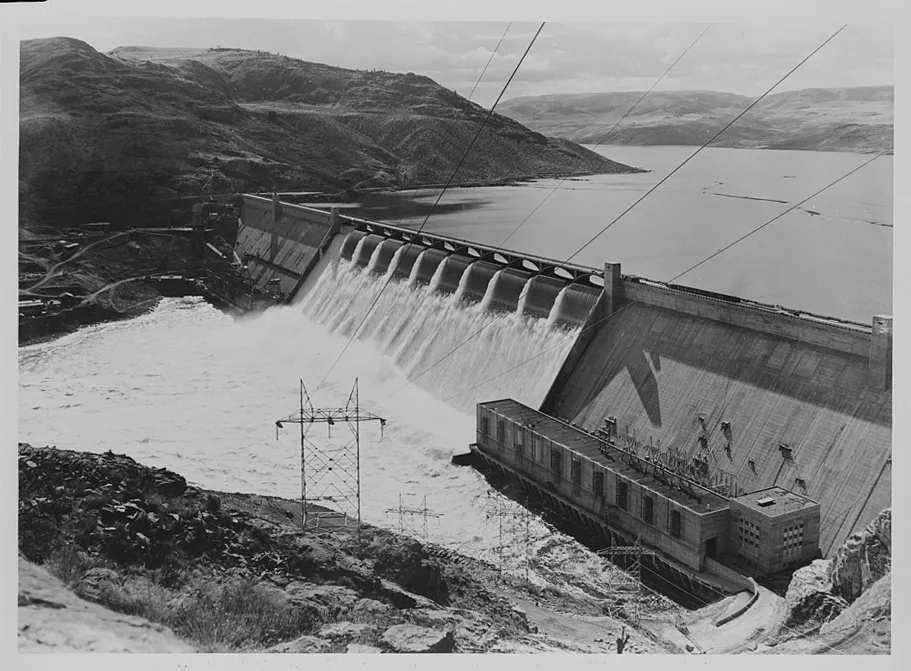
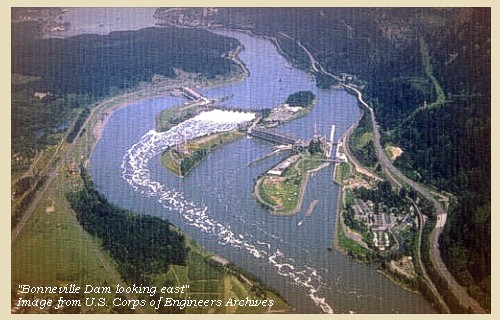
While the Columbia River Basin’s Grand Coulee and Bonneville Dams represent the pinnacle of New Deal-era federal mega-projects, the Pacific Northwest’s concrete legacy also includes a remarkable municipal achievement: Seattle City Light’s Skagit River Hydroelectric Project. Developed between the 1910s and 1960s, this series of three massive concrete dams—Gorge, Diablo, and Ross—transformed the remote upper Skagit River gorge into a powerhouse that still supplies about 20% of Seattle’s electricity today. These dams showcase innovative concrete engineering in one of the most challenging terrains in North America, with steep canyons, heavy rainfall, and frequent natural hazards.
Origins and Vision: J.D. Ross and Early Planning
The project traces its roots to 1917, when James Delmage (J.D.) Ross, superintendent of Seattle’s municipal lighting department (later Seattle City Light), secured federal approval to develop hydropower on the Skagit River. Facing rapid urban growth and the limitations of existing sources, Ross envisioned a cascade of dams to harness the river’s immense flow. In 1919, the city approved bonds, and construction infrastructure began: a 25-mile private railroad from Rockport to the gorge to transport materials and workers, bypassing public roads to prevent private utility encroachment.
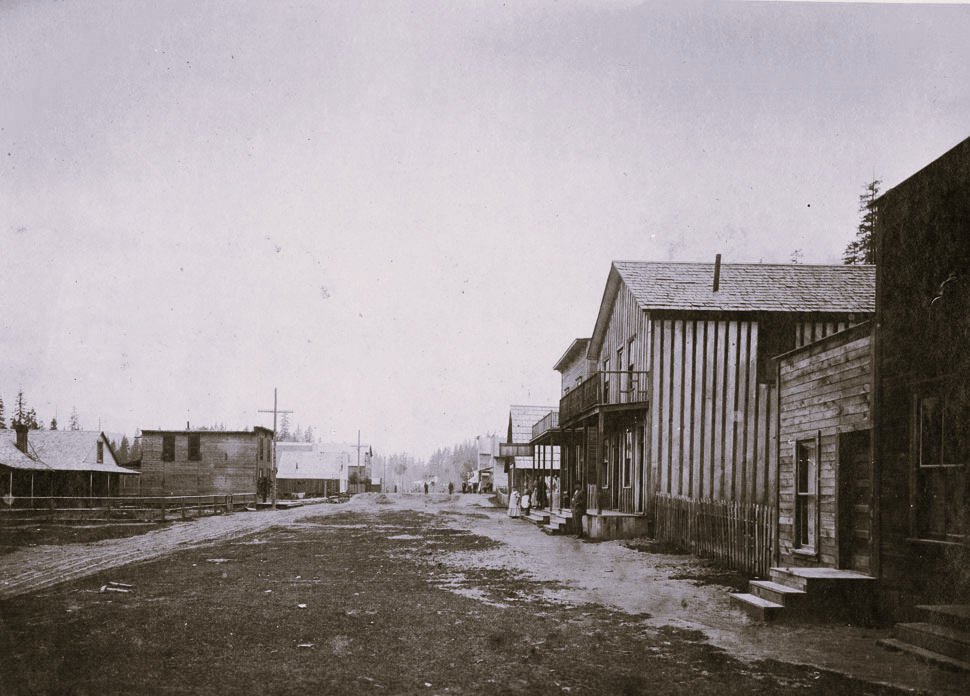
The company town of Newhalem sprang up at the railroad’s end, complete with housing, schools, and amenities. Delays plagued early work—floods, avalanches, labor strikes, forest fires, and even workers chasing gold rushes—but the vision persisted.
Gorge Dam: The First Step (1921–1961)
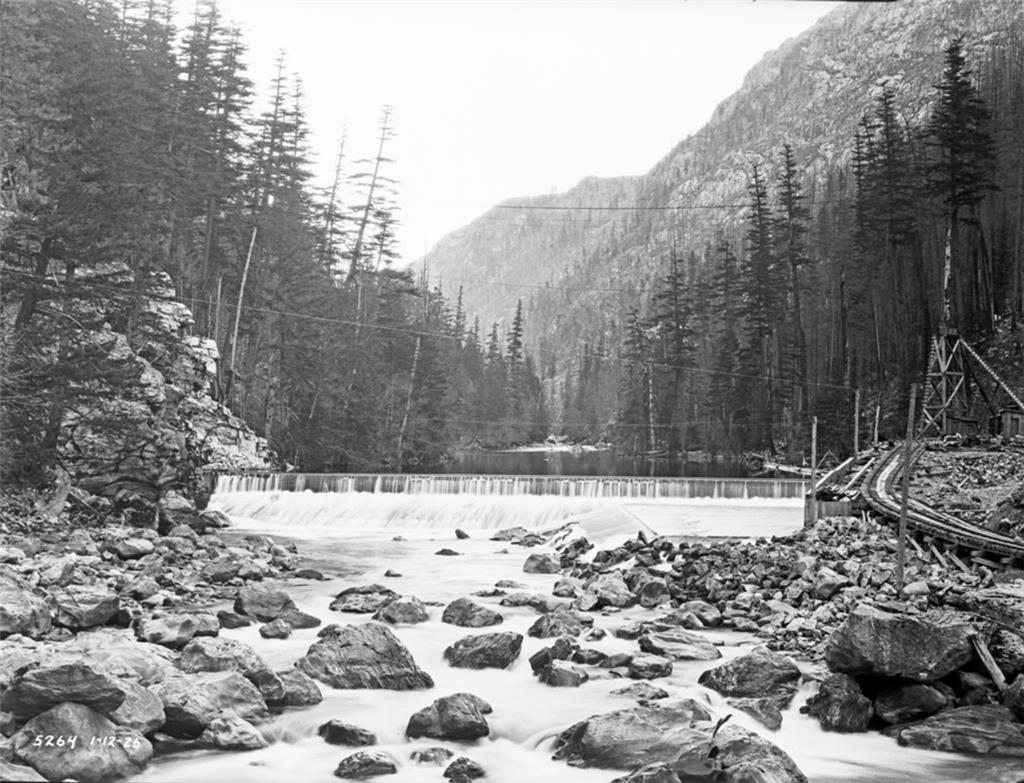
Construction on the lowest dam, Gorge Dam, began in 1921 downstream near Newhalem. Initially, a temporary wooden crib dam was built due to cost constraints, with plans for a permanent concrete structure later. Power first reached Seattle in September 1924, formally dedicated by President Calvin Coolidge remotely. The original wooden dam was replaced by the concrete Gorge High Dam, completed in 1961—a 300-foot gravity dam that raised the powerhouse capacity significantly.
Diablo Dam: The World’s Tallest (1927–1936)
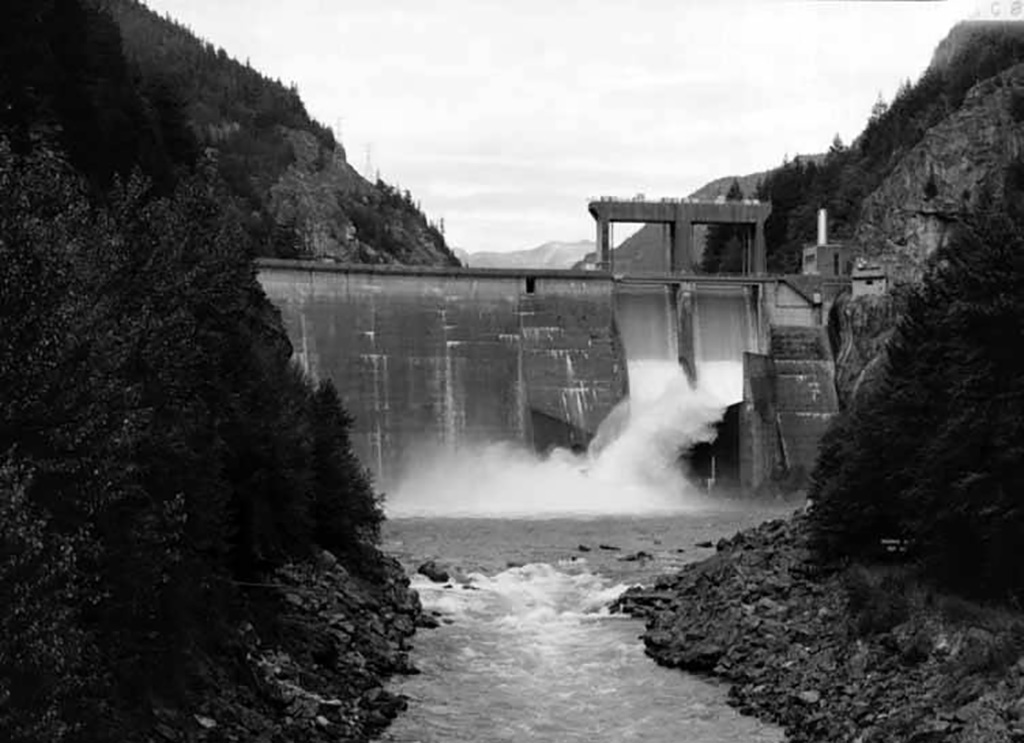
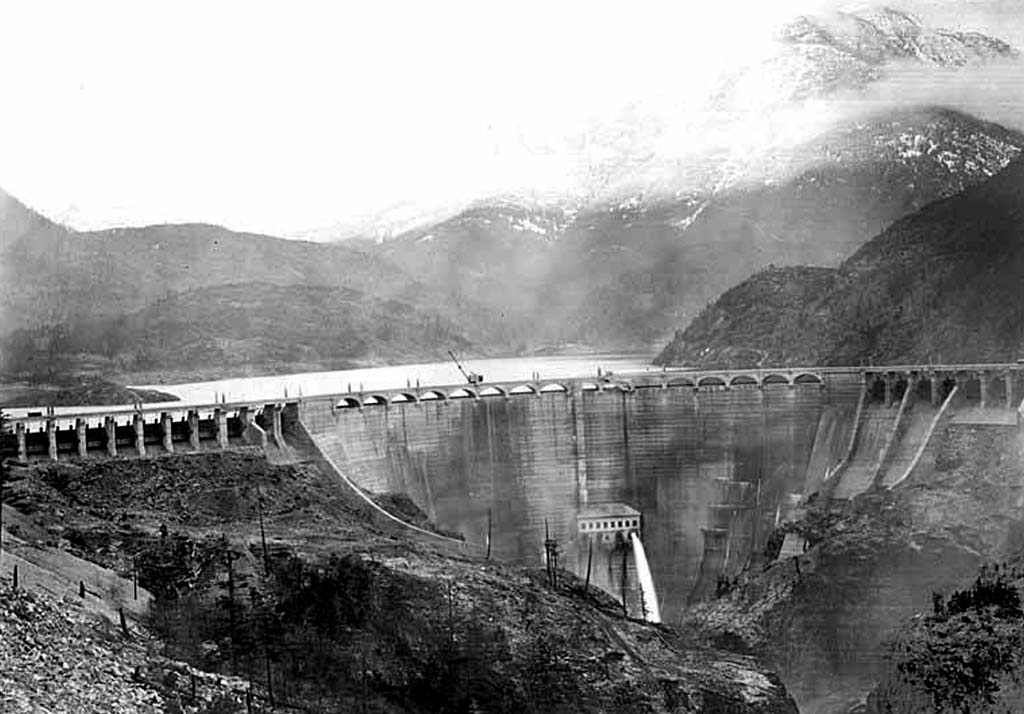
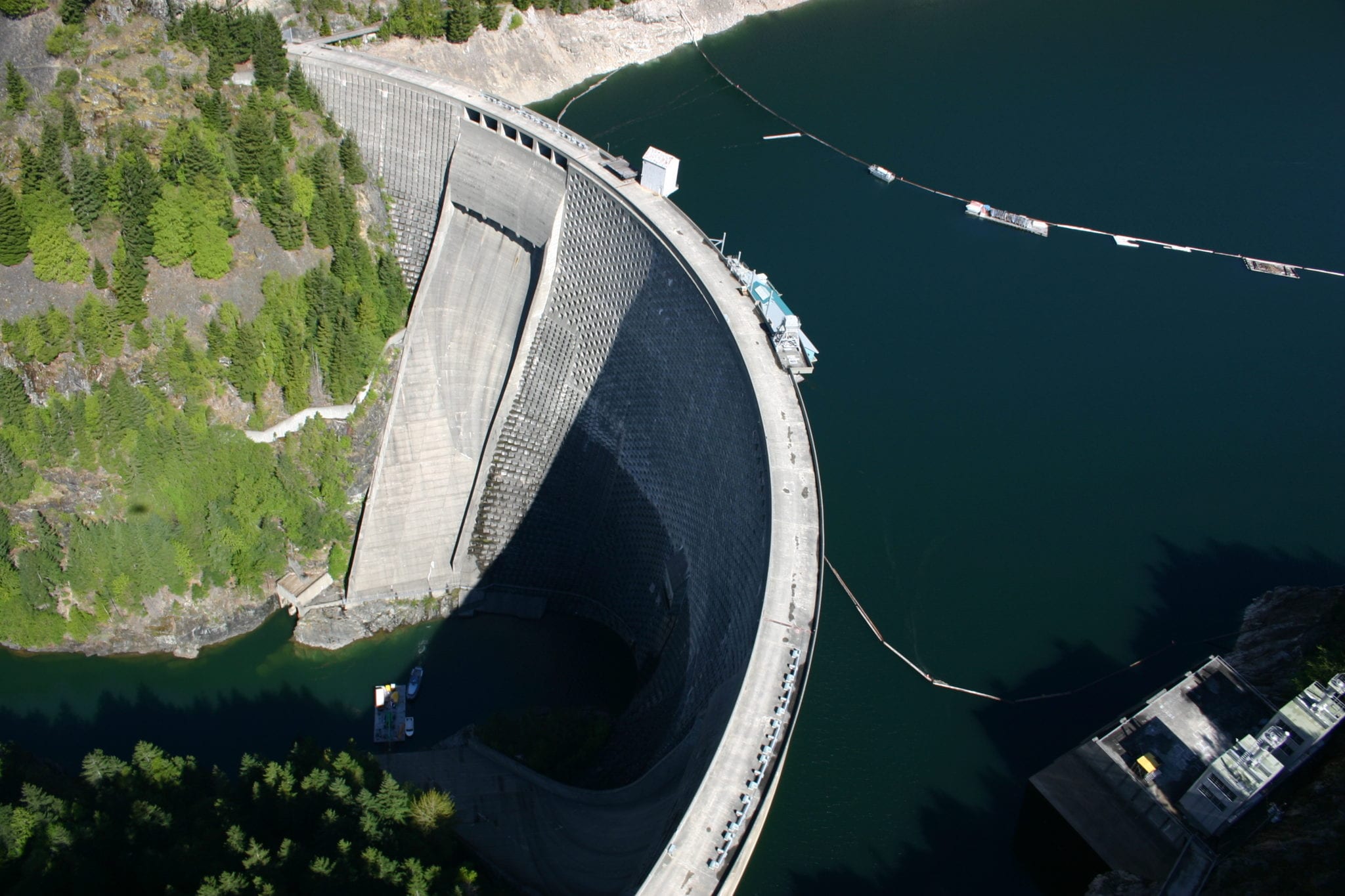
Work on the middle dam began in 1927, five miles upstream in the narrow Diablo Canyon. This concrete thin-arch dam, completed in 1930, stood 389 feet tall—making it the world’s tallest dam at the time (surpassed soon after by Owyhee Dam in Oregon). Financial woes from the Great Depression delayed the powerhouse until 1936. Innovative features included an incline lift (still operable for tours) to transport equipment from river level to the dam crest, and a barge system on the emerging Diablo Lake.
Diablo’s turquoise lake became an iconic sight, and the dam exemplified advanced concrete arch design, relying on the canyon walls to bear water pressure.

Ross Dam: The Giant Upstream (1937–1949)
The uppermost and largest dam, originally called Ruby Dam, began construction in 1937. Renamed Ross Dam in 1939 to honor J.D. Ross after his death, this concrete thin-arch structure was built in phases: reaching 305 feet by 1940, then raised further postwar. Final height of 540 feet was achieved by 1949, creating Ross Lake, which extends 23 miles into Canada.
Controversy arose over plans to raise it further (High Ross proposal), which would flood more Canadian land. After decades of debate, the 1984 treaty with British Columbia capped the height, with Seattle agreeing to purchase power instead.


Legacy, Innovations, and Impacts
The Skagit Project cost over $250 million across decades and pioneered public tours in the 1920s–1930s to build support, including meals at the Gorge Inn, train rides, and incline lifts—traditions revived today as “Skagit Tours.” All three dams are on the National Register of Historic Places.
Like Columbia Basin dams, the Skagit project altered ecosystems, blocking historic salmon runs above Gorge Dam and affecting flows. Seattle City Light has implemented flow regimes, fish habitat funds, and collaborates with tribes (Upper Skagit, Swinomish, Sauk-Suiattle) and Canadian First Nations for mitigation. The project was the first large hydro facility certified as Low Impact in 2003. Relicensing efforts continue, with the previous license expiring in 2025.
The Skagit dams highlight municipal innovation in concrete engineering, powering Seattle through growth while navigating environmental and international challenges—a enduring chapter in PNW concrete history.
References and Further Reading (Part 2)
- Skagit River Hydroelectric Project – Wikipedia
- Upper Skagit River Hydroelectric Project – HistoryLink.org
- Skagit River Hydroelectric Project – Seattle City Light
- Ross Dam – Wikipedia
- Hydroelectric power from Skagit River reaches Seattle on September 14, 1924 – HistoryLink.org
- Powerlines – Seattle City Light Blog
- Image sources: HistoryLink.org, Wikipedia, Seattle City Light, historic postcards and press photos.
For Part 1 of this series (covering early cement towns, Columbia dams, bridges, and modern sustainability), see the previous post.
History of Concrete in the Pacific Northwest
A 6-Part Series by Volume Concrete LLC