History of Concrete in the Pacific Northwest – Part 6 (Final): Toward a Sustainable Future – Low-Carbon Innovations and Reconciling Legacy Impacts
As the Pacific Northwest confronts climate change and the long-term environmental costs of its concrete-intensive past, the industry is pivoting toward groundbreaking low- and zero-carbon technologies. From new regional manufacturing hubs to cement-free binders and carbon-sequestering mixes, innovators are reducing concrete’s massive carbon footprint—responsible for about 8% of global CO₂ emissions—while addressing the ecological legacy of historic mega-dams through unprecedented removal projects.
Regional Leadership in Low-Carbon Cement Production
In July 2025, Eco Material Technologies opened its Lakeview Plant in southern Oregon, the company’s first sustainably built manufacturing hub in the Pacific Northwest. This facility produces up to 300,000 tons annually of supplementary cementitious materials (SCMs) and proprietary green cement blends using local resources like perlite. By replacing 25–100% of traditional Portland cement, these alternatives can cut the carbon footprint of concrete’s cement portion by up to 80%.

Exterior view of the new Eco Material Technologies Lakeview Plant in southern Oregon

Operations at the Lakeview Plant, producing low-carbon cement alternatives
The plant creates local jobs and leverages rail for efficient distribution, marking a major step in domestic low-carbon material supply for PNW construction.
Cement-Free and Carbon-Negative Breakthroughs
Seattle-based C-Crete Technologies has pioneered cement-free concrete using natural minerals, industrial by-products, and novel binders like basalt and zeolite. Debuted in Seattle buildings since 2023, these mixes achieve full Portland cement replacement, preventing roughly 1 ton of CO₂ per ton of binder while meeting or exceeding ASTM standards for strength and durability.
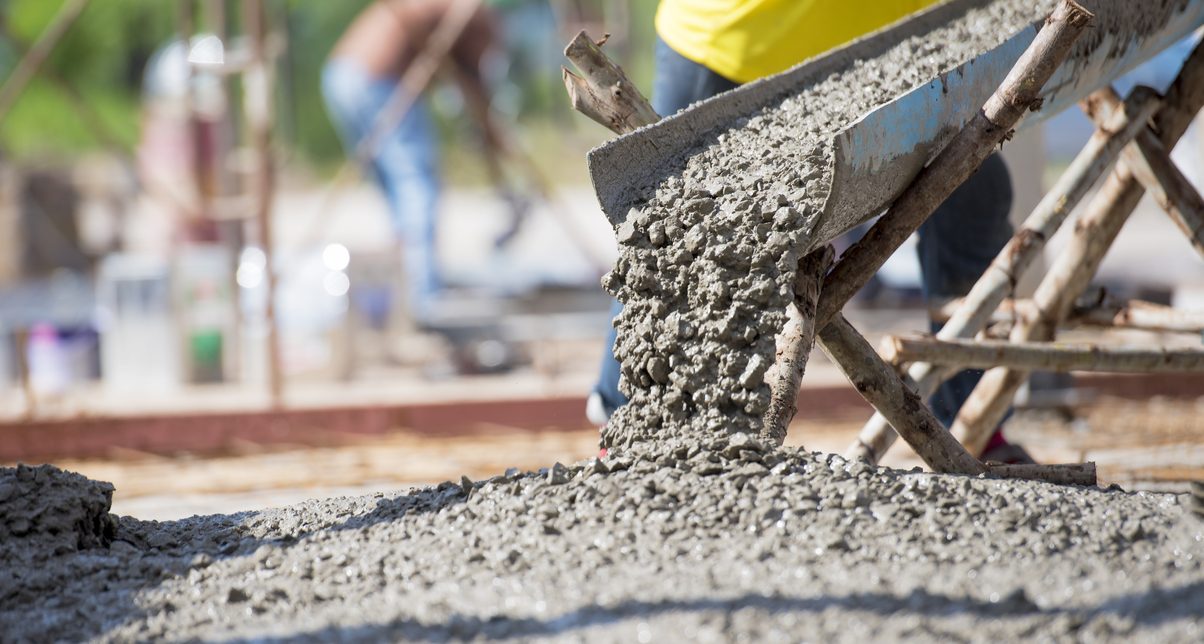
Pouring low-carbon concrete at a construction site

Innovative sustainable concrete mix in production
Other advancements include carbon mineralization technologies that inject CO₂ into fresh concrete for permanent sequestration and strength gains, as well as emerging enzymatic and bio-inspired materials that turn concrete into a potential carbon sink.

Illustration of carbon sequestration in cementitious materials
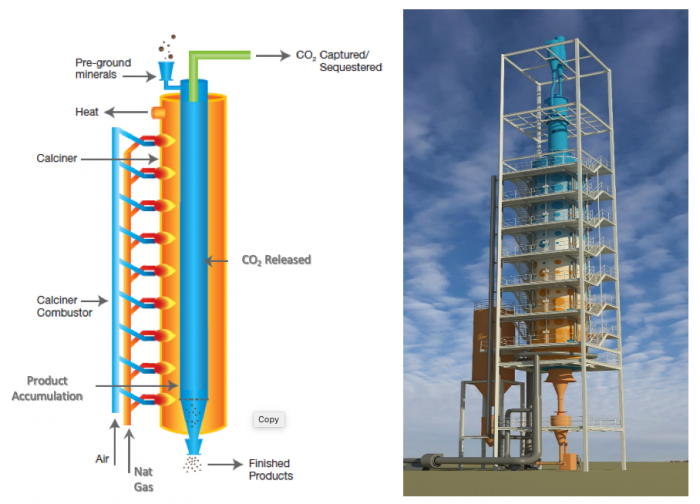
Carbon capture and utilization in cement production
Reconciling the Legacy: Dam Removals and Ecosystem Restoration
The PNW’s concrete dam era brought power and growth but devastated salmon runs and tribal fisheries. Recent removals are reversing these impacts. The 2024–2025 Klamath River project—the largest dam removal in history—freed the river after dismantling four concrete dams, with rapid ecosystem recovery observed by late 2025.

Site during Klamath River dam removal efforts
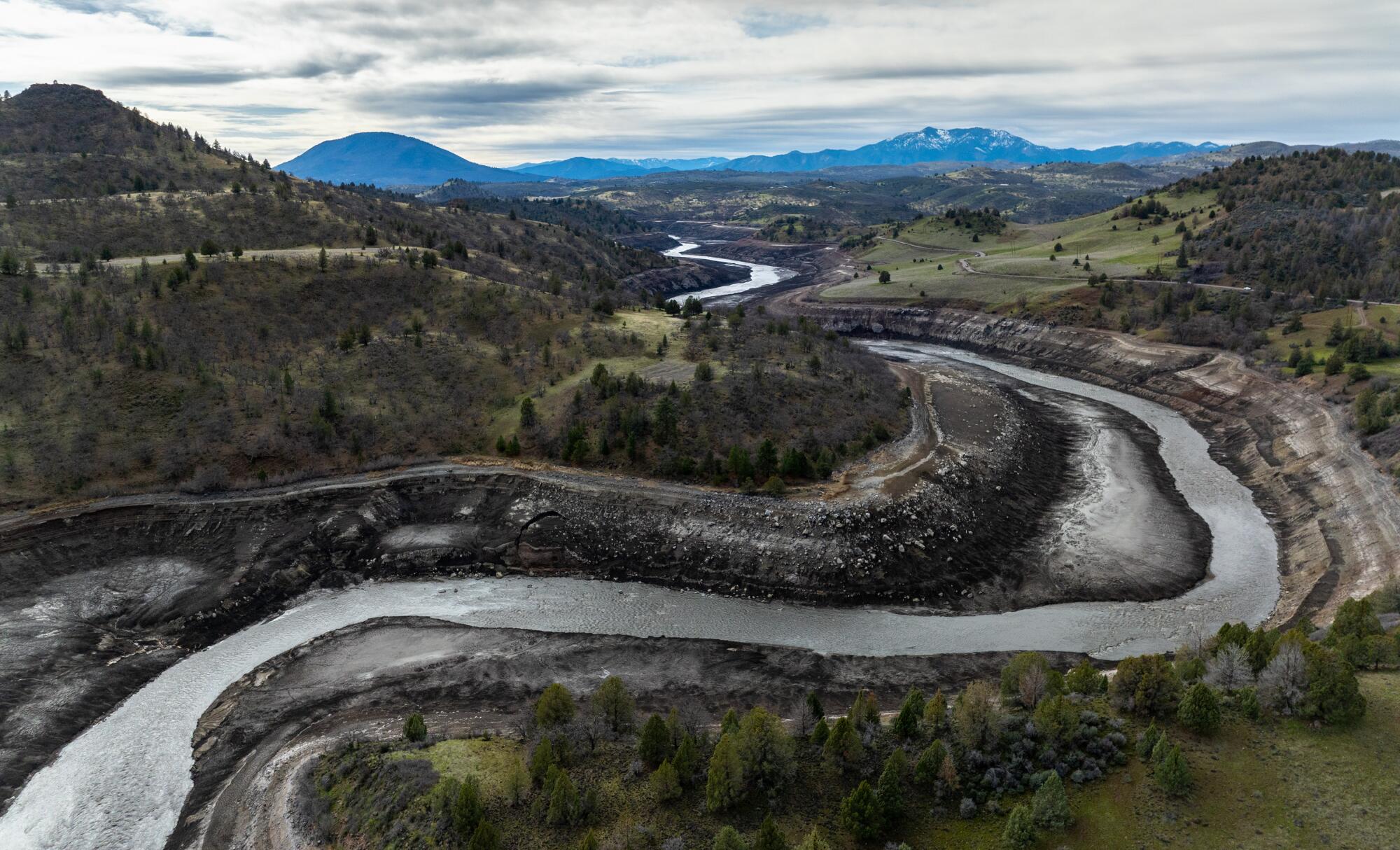
Klamath River flowing freely post-dam removal
Earlier successes like the Elwha River restoration (2011–2014) have seen salmon returns rebound dramatically, informing ongoing efforts.
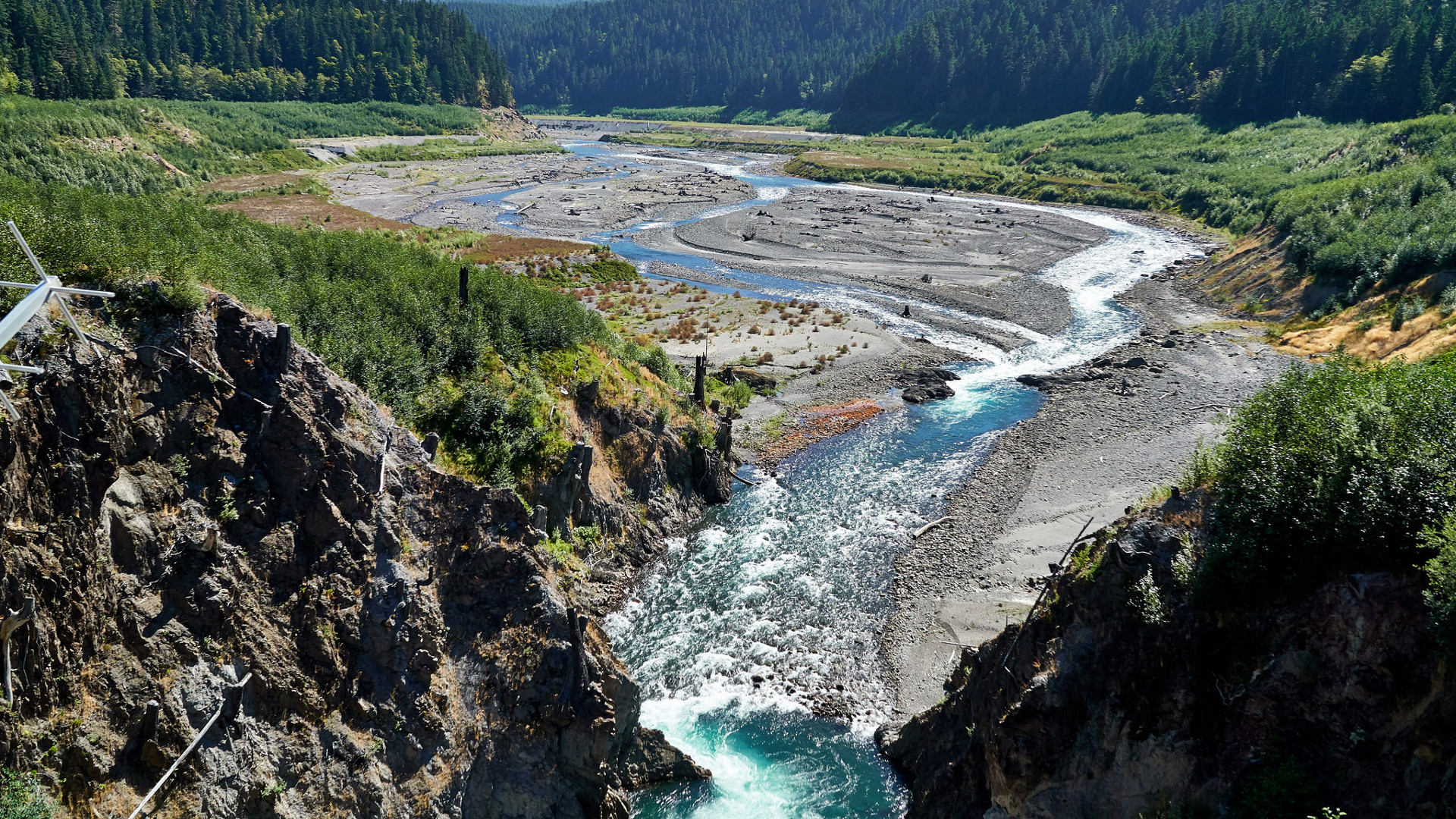
Remnants of Glines Canyon Dam on the Elwha River
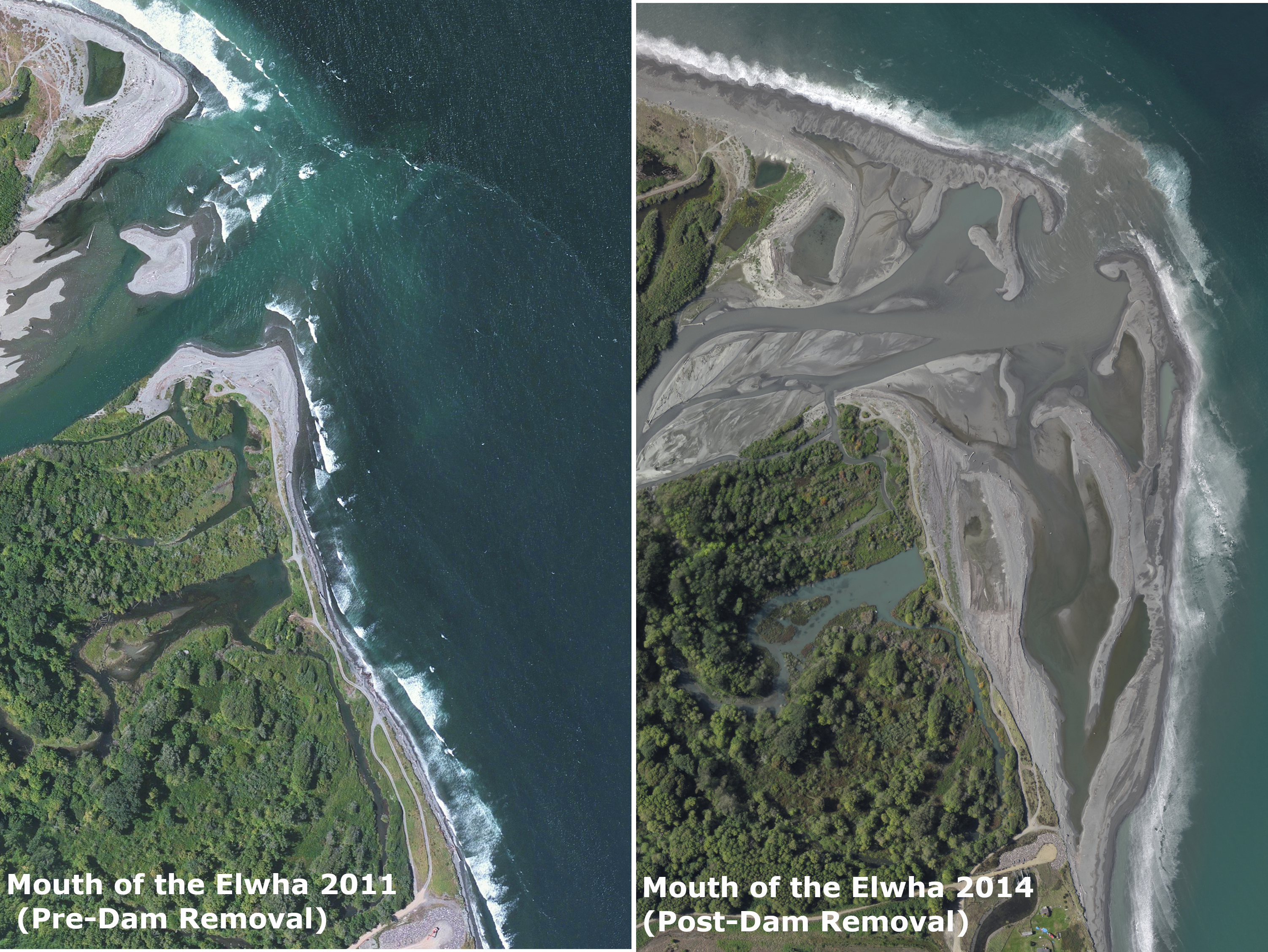
Restored mouth of the Elwha River
Conclusion: A Balanced Legacy
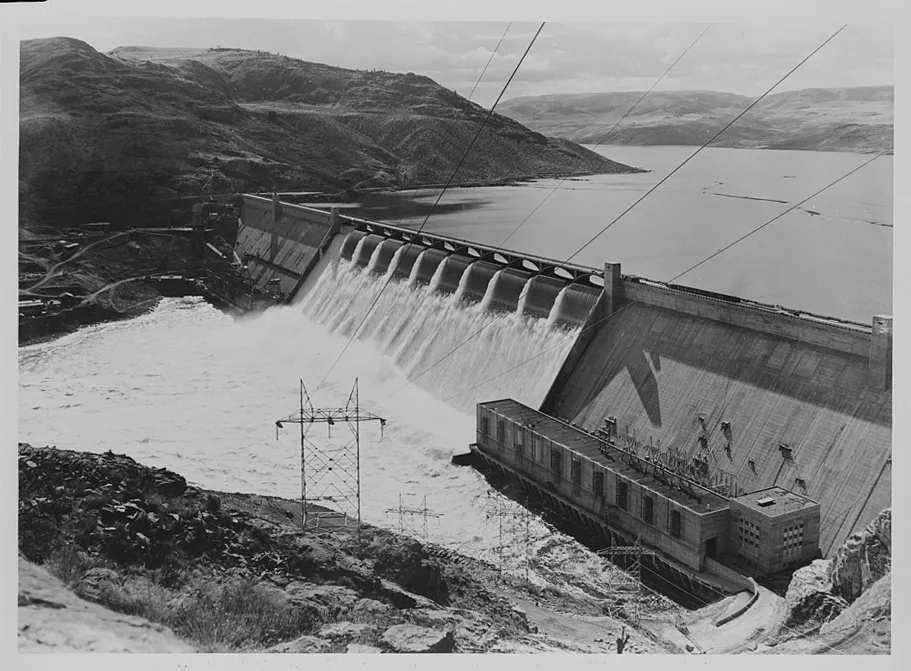
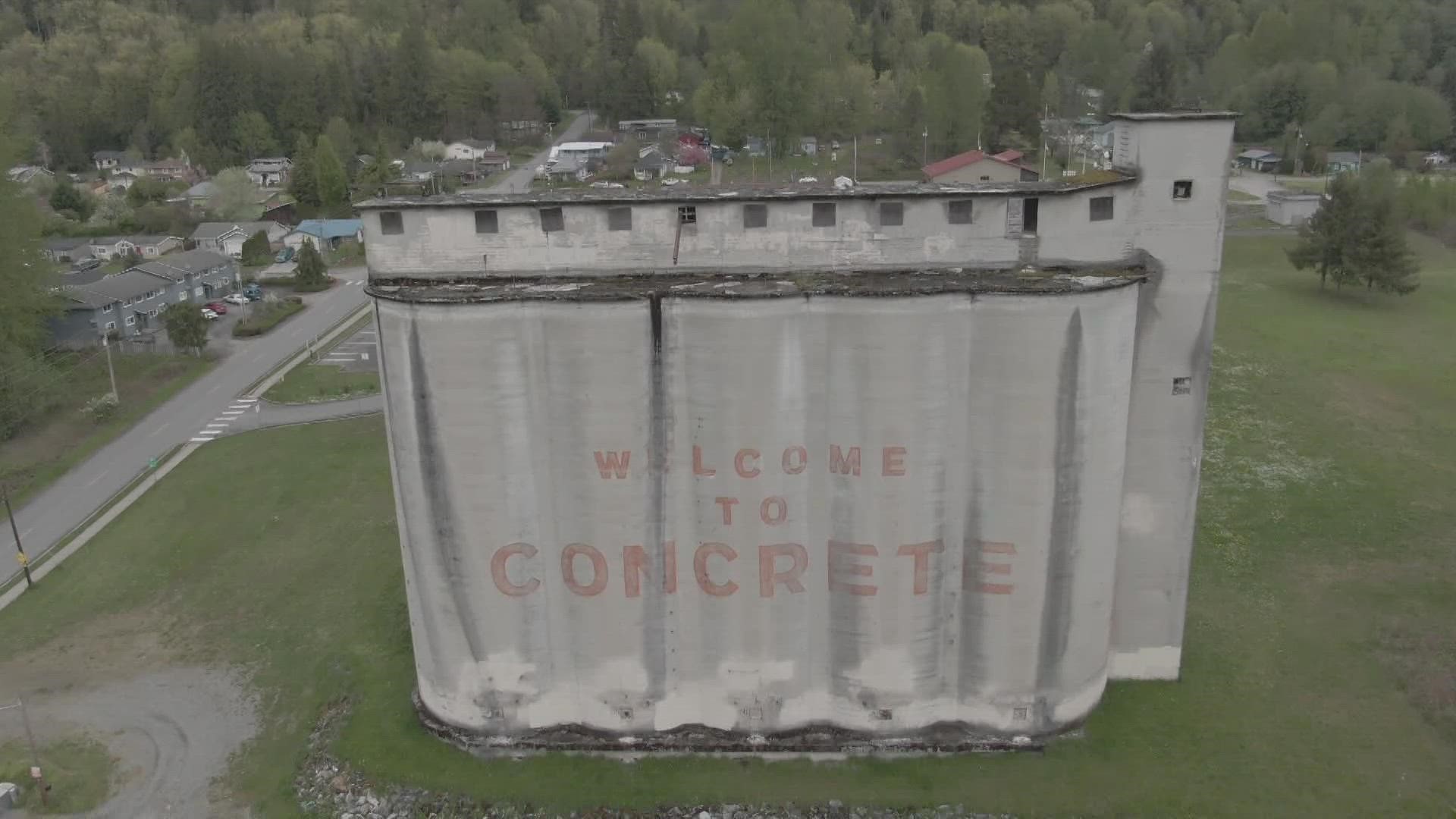
From the cement booms of Concrete, Washington, to the mega-dams and iconic bridges that defined the 20th century, concrete built the modern Pacific Northwest. Today, as the region leads in low-carbon innovations and heals river ecosystems through dam removals, it charts a path toward resilient, sustainable infrastructure that honors both progress and the environment.
References and Further Reading (Part 6)
- Eco Material Technologies Lakeview Plant Opening
- C-Crete Technologies
- C-Crete Debut in Seattle
- Klamath River Recovery One Year Post-Removal
- Klamath Dam Removal Benefits
- Elwha River Lessons
- Image sources: Railway Age, OPB, Redding Record Searchlight, Los Angeles Times, The Revelator, National Park Service, and scientific archives.
Thank you for following this 6-part series on the History of Concrete in the Pacific Northwest!
History of Concrete in the Pacific Northwest
A 6-Part Series by Volume Concrete LLC