Category: Tutorials

  • Limestone Calcined Clay Cement (LC3) as a Next-Generation Solution

    Limestone Calcined Clay Cement (LC3) as a Next-Generation Solution

    Concept: Limestone Calcined Clay Cement (LC3) combines limestone with calcined clay to create a low-carbon alternative to traditional Portland cement. It leverages limestone’s benefits while incorporating clay’s pozzolanic properties to further reduce clinker content and emissions.

    • Environmental Impact: LC3 can reduce CO₂ emissions by up to 30-40% compared to traditional cement, surpassing PLC’s 10% reduction. This is due to the lower clinker content (often 50% or less) and the use of widely available clay, as noted in ACEEE.
    • Performance: LC3 offers comparable or superior strength and durability, with improved resistance to chloride ingress, making it ideal for marine environments, according to Global Cement and Concrete Association.
    • Adoption Challenges: While LC3 is gaining traction in regions like India and Latin America, scaling in the U.S. requires investment in calcination infrastructure and regulatory approval. This could be a future focus for limestone’s role in cement.
    • Integration: Add a section on LC3 as an evolution of PLC, highlighting limestone’s continued centrality in innovative cement formulations. Discuss its potential to complement PLC in markets with abundant clay resources.

    2. Carbon Capture and Utilization (CCU) with Limestone in Cement

    Concept: Limestone can be integrated into carbon capture and utilization processes, where CO₂ from cement production is captured and mineralized into limestone-like compounds or used to enhance concrete curing, further reducing the industry’s carbon footprint.

    • Technology: Companies like CarbonCure (referenced in the original analysis) inject CO₂ into concrete mixes, where it reacts with calcium from limestone to form stable carbonates, locking carbon away. This can reduce emissions by an additional 5-10%, as per CarbonCure Technologies.
    • Circular Economy: Captured CO₂ can be used to produce synthetic limestone aggregates, creating a closed-loop system. This aligns with the sustainability narrative of the original analysis.
    • Scalability: While promising, CCU technologies require significant upfront investment and energy, which could be a barrier. However, they enhance limestone’s role as a sustainability enabler.
    • Integration: Introduce a subsection on CCU, linking it to limestone’s chemical reactivity and its potential to make cement production carbon-neutral or even carbon-negative in the future.

    3. Limestone’s Role in Geopolymer and Alternative Binders

    Concept: Limestone can be used in geopolymer cements or alkali-activated materials, which are low-carbon alternatives to Portland cement. These binders use industrial byproducts like fly ash or slag, with limestone as a filler or activator.

    • Sustainability: Geopolymers can reduce emissions by 60-80% compared to Portland cement, as they require no clinker. Limestone enhances workability and acts as a reactive filler, per Global Cement and Concrete Association.
    • Applications: These binders are gaining interest for niche applications like precast concrete and infrastructure in harsh environments, where limestone’s fine particles improve durability.
    • Challenges: Limited availability of precursors (e.g., fly ash due to coal plant phase-outs) and slower standardization hinder adoption. Limestone’s abundance makes it a reliable component to bridge this gap.
    • Integration: Expand the analysis to include a discussion on alternative binders, positioning limestone as a versatile ingredient across both traditional and novel cement systems.

    4. Regional and Geological Variations in Limestone Quality

    Concept: The quality and composition of limestone vary by region, affecting its suitability for cement production. Exploring these variations can highlight optimization strategies and regional adoption trends.=

    • Quality Factors: High-purity limestone (>90% CaCO₃) is ideal for cement, but impurities like silica or magnesium can affect performance. Regions like Karnataka, India, with vast high-quality reserves, have a competitive edge, as noted in LinkedIn.
    • Optimization: Advanced processing techniques, such as selective quarrying or blending, can mitigate impurities, improving limestone’s efficacy in PLC or LC3.
    • Global Trends: Regions with abundant limestone (e.g., North America, Asia) are better positioned to adopt PLC and LC3, while limestone-scarce areas may rely on imports or alternatives.
    • Integration: Add a section on geological considerations, discussing how limestone quality influences cement production efficiency and sustainability outcomes, with examples from key regions.

    5. Limestone in 3D-Printed Concrete and Smart Construction

    Concept: Limestone’s fine particle size and reactivity make it suitable for 3D-printed concrete, an emerging construction technology. It can enhance printability and sustainability in automated building processes.

    • Printability: Limestone’s uniform particle distribution improves the flowability and setting time of 3D-printing mixes, critical for layer-by-layer construction, as discussed in CarbonCure Technologies.
    • Sustainability: Using PLC in 3D printing reduces the carbon footprint of printed structures, aligning with the original analysis’s eco-friendly focus.
    • Future Potential: As 3D printing scales for housing and infrastructure, limestone’s role could grow, especially in regions prioritizing rapid, sustainable construction.
    • Integration: Introduce a forward-looking section on limestone’s applications in smart construction, linking its properties to the demands of automation and precision in modern building techniques.

    6. Socioeconomic Impacts of Limestone Mining for Cement

    Concept: Limestone mining for cement production has socioeconomic implications, including job creation, environmental concerns, and community impacts. Addressing these adds a human dimension to the narrative

    • Economic Benefits: Limestone mining supports local economies, with India’s cement industry employing millions directly and indirectly, as implied in LinkedIn.
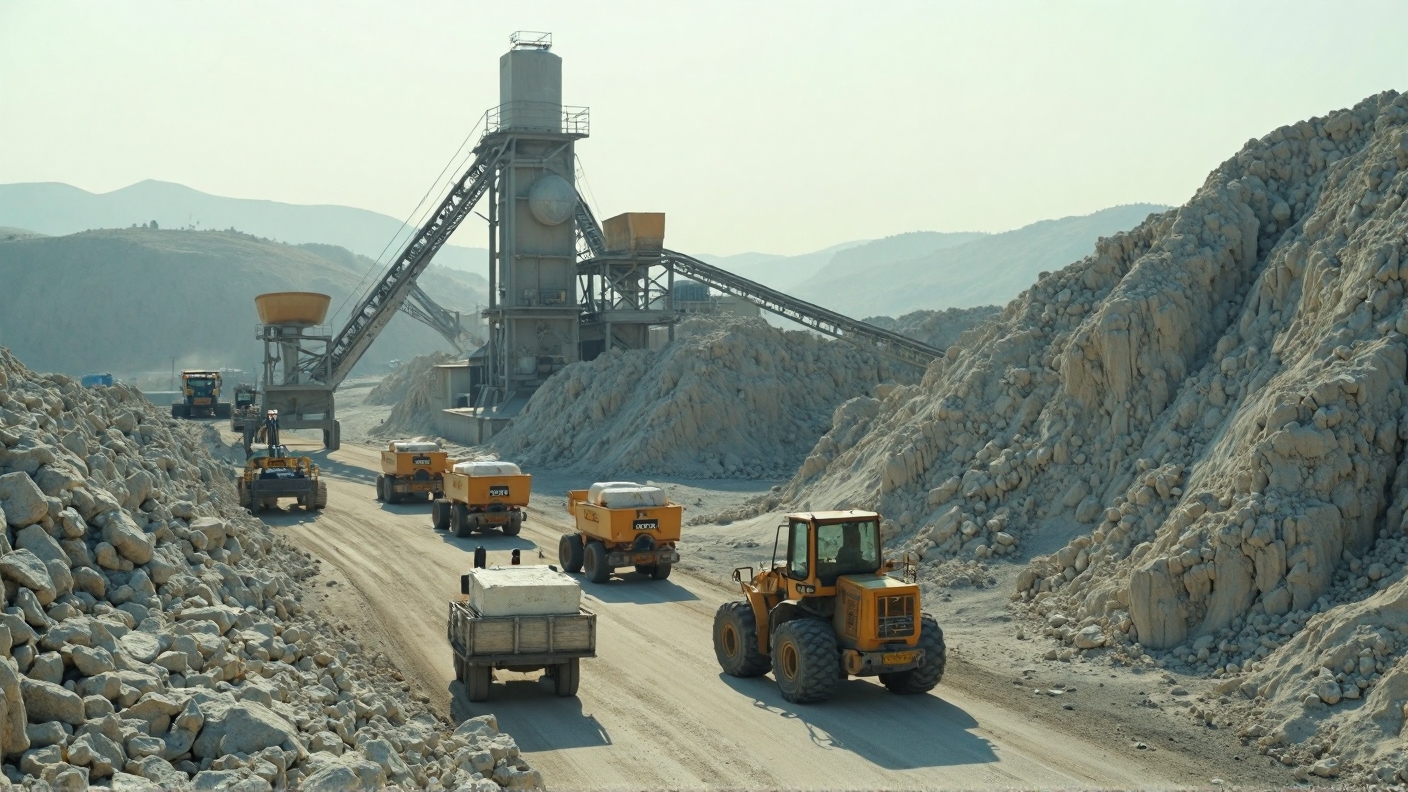
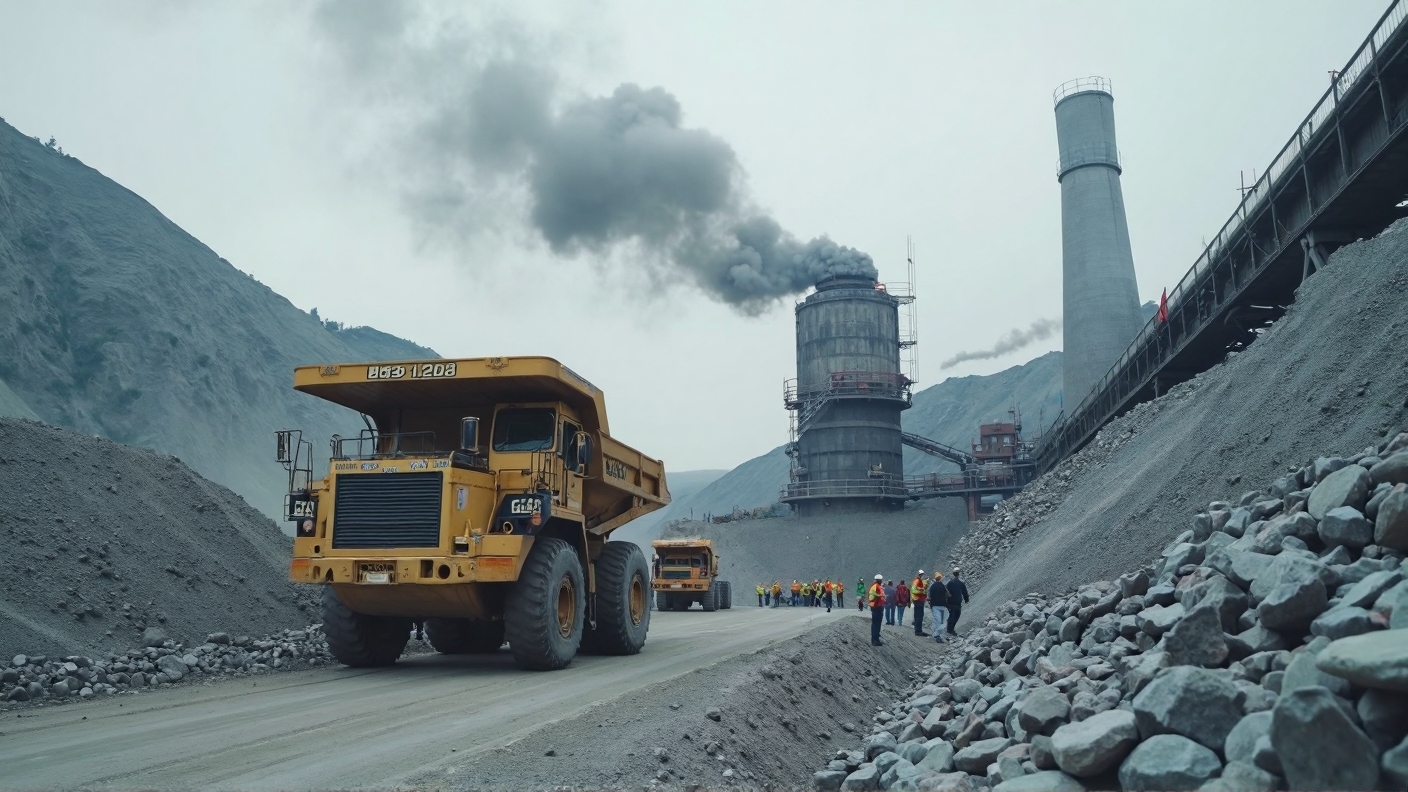
    • Environmental Concerns: Mining can lead to habitat disruption and dust pollution, requiring sustainable practices like reclamation and dust control, as noted in Fote Machinery.
    • Community Engagement: Balancing mining with community needs (e.g., through royalties or infrastructure development) is critical for social license to operate.
    • Integration: Include a section on the socioeconomic context, discussing how responsible limestone sourcing supports the sustainability narrative while addressing potential trade-offs.

    7. Policy and Regulatory Drivers for Limestone-Based Cements

    Concept: Government policies and international standards are accelerating the adoption of limestone-based cements like PLC and LC3, driven by climate goals and building codes.

    • Regulations: The U.S. EPA and EU’s carbon pricing mechanisms incentivize low-carbon cements, with PLC approved by ASTM and AASHTO standards, as per CarbonCure Technologies.
    • Global Commitments: The Paris Agreement and net-zero pledges push for limestone’s integration, with initiatives like the Global Cement and Concrete Association’s roadmap targeting 50% emission reductions by 2030.
    • Barriers: Inconsistent standards across regions and resistance from traditional cement producers slow adoption, requiring policy harmonization.
    • Integration: Add a policy-focused section, linking limestone’s rise to regulatory frameworks and global climate commitments, reinforcing its strategic importance.

    8. Limestone’s Role in Circular Construction Practices

    Concept: Limestone can support circular construction by enabling the recycling of concrete, where crushed concrete is reused as a limestone-rich aggregate or raw material for new cement.

    • Recycling: Concrete recycling recovers limestone-based materials, reducing the need for virgin limestone and landfill waste, as discussed in PROSOCO.
    • Clinker Production: Recycled concrete can partially replace limestone in clinker production, lowering emissions, though technical challenges like alkali content need addressing.
    • Market Potential: Circular practices are gaining traction in Europe and could expand in the U.S., aligning with limestone’s sustainability benefits.
    • Integration: Incorporate a section on circularity, showing how limestone enables closed-loop systems in construction, enhancing the original analysis’s sustainability focus.

    AspectDetails
    Primary UseKey raw material for clinker (80-90% of kiln feed), providing calcium for binding.
    Admixture RoleUsed in PLC (5-15% limestone) and LC3 (with calcined clay), enhancing sustainability.
    Carbon Footprint ReductionPLC reduces emissions by ~10%; LC3 up to 30-40%; CCU adds 5-10% via CO₂ mineralization.
    Performance BenefitsImproves particle distribution, reactivity, and durability; ideal for 3D printing and geopolymers.
    Cost BenefitsOften less expensive; recycled limestone from concrete supports circular economy savings.
    Industry Adoption40% U.S. market share for PLC; LC3 growing in developing nations; policy drives adoption.
    Socioeconomic ImpactSupports jobs but requires sustainable mining to mitigate environmental and community concerns.

    Key Citations (Reused and New)

    These additional ideas enrich the narrative by connecting limestone’s role to cutting-edge innovations, socioeconomic realities, and global policy trends, positioning it as a linchpin in the cement industry’s sustainable future.
  • Limestone in Cement: A Cornerstone for Sustainability and Performance

    Limestone in Cement: A Cornerstone for Sustainability and Performance

    Key Points

    • Limestone is likely a key raw material in cement, providing calcium for binding properties.
    • Research suggests limestone enhances cement sustainability, reducing carbon footprint by up to 10%.
    • It seems likely that limestone improves cement performance, like shrinkage and permeability.
    • The evidence leans toward limestone being cost-effective and eco-friendly in cement production.

    Limestone plays a crucial role in cement, acting as both a primary ingredient and an additive that boosts sustainability. It provides the calcium needed for cement to bind materials together, forming the basis of concrete. Modern uses, like in Portland-Limestone Cement (PLC), show it can reduce environmental impact and improve cement qualities, making it a popular choice in construction.

    Benefits in Cement

    Limestone is essential, making up 80-90% of the raw materials for cement clinker, the core of cement production. In PLC, it’s added at 5-15%, helping lower the carbon footprint by replacing energy-intensive clinker. This makes cement production greener, with studies suggesting a 10% reduction in emissions. It also seems to enhance cement’s performance, such as better particle distribution and resistance to environmental wear.

    Industry Adoption

    The construction industry is increasingly adopting PLC, approved by many state transport departments as an eco-friendly option. It’s often cheaper, depending on the region, and performs similarly or better in tests like freeze-thaw resistance, making it a practical choice for sustainable building.


    Survey Note: Detailed Analysis of Limestone in Cement Production

    Limestone’s role in cement production is multifaceted, serving as both a foundational raw material and a strategic admixture that enhances the sustainability and performance of cement. This detailed analysis explores its chemical contributions, environmental benefits, and growing adoption in the construction industry, drawing from recent insights and industry trends as of May 29, 2025.

    Chemical and Structural Role

    Limestone, primarily composed of calcium carbonate (CaCO₃), is the backbone of cement manufacturing. It provides the calcium oxide (CaO) essential for the chemical reactions that enable cement to bind aggregates in concrete. According to Fote Machinery, limestone constitutes 80-90% of the kiln feed used to produce cement clinker, the intermediate product ground to make cement. This calcium is derived from the fossilized shells and skeletons of prehistoric sea creatures, as noted in the same source, highlighting its natural origin and suitability for industrial use.

    In addition to its role as a raw material, limestone is increasingly used as an admixture in Portland-Limestone Cement (PLC), also known as Type 1L cement. CarbonCure Technologies details that PLC contains 5-15% limestone, integrated after the clinker is cooled and then finely ground. This process, as explained by Concrete Construction Magazine, results in a cement with improved particle size distribution, as limestone grinds more easily than clinker, potentially reducing energy use in production.

    Environmental and Sustainability Benefits

    The inclusion of limestone in cement, particularly in PLC, is driven by its environmental benefits. Research, as cited by CarbonCure Technologies, suggests that PLC can reduce the carbon footprint of cement by approximately 10% compared to traditional Portland cement. This reduction is achieved by replacing a portion of the energy-intensive clinker with limestone, which requires less processing and does not undergo calcination, thus emitting fewer greenhouse gases. PROSOCO further notes that this approach was developed to address the significant CO₂ emissions from cement production, estimated at 7-8% of global emissions, aligning with efforts to meet climate goals like the Paris Agreement.

    The sustainability benefits extend to the concrete mix, where limestone’s finer grinding leads to denser particle packing, as mentioned in CarbonCure Technologies. This contributes to lower carbon ingredients overall, enhancing the eco-friendliness of concrete infrastructure. The Global Cement and Concrete Association adds that limestone, once considered an inert filler, is now recognized as a supplementary cementitious material, contributing to how concrete hardens and potentially reducing the need for other high-emission additives.

    Performance Enhancements

    Limestone’s addition to cement not only aids sustainability but also improves performance. Fote Machinery highlights that PLC performs equivalently to ordinary cement in critical areas such as shrinkage, permeability, freeze-thaw resistance, and salt scaling, with slight enhancements in some cases. This is attributed to limestone acting as a seed crystal, better distributing reaction products and increasing cement reactivity, as noted in Concrete Construction Magazine. The finer particle size also potentially reduces water demand, improving the efficiency of water reducers in concrete mixes.

    Cost and Economic Considerations

    Economically, limestone use in cement can be advantageous. CarbonCure Technologies and Precast/Prestressed Concrete Institute suggest that PLC is often less expensive than traditional cement, depending on regional availability and costs. Limestone’s abundance, with significant reserves noted in LinkedIn, such as Karnataka holding 27% of India’s resources, supports its cost-effectiveness. This economic benefit, combined with performance parity, makes PLC an attractive option for cost-conscious builders.

    Industry Adoption and Trends

    The adoption of limestone-enhanced cements, particularly PLC, is on the rise. CarbonCure Technologies reports increasing use by concrete producers, especially those leveraging CarbonCure’s technologies for stackable sustainability benefits. The National Plasterers Council indicates that limestone cement now holds an estimated 40% of the U.S. market, up from its introduction in the early 2010s, driven by a push to reduce greenhouse gases. Many state Departments of Transportation have approved PLC as an eco-friendly alternative, as mentioned in CarbonCure Technologies, reflecting its integration into mainstream construction practices.

    Historical context, as provided by Precast/Prestressed Concrete Institute, traces PLC’s development to the 1960s in Europe, with significant adoption following the 1973 oil crisis, particularly in France, due to limited alternative supplementary cementitious materials. This trend continues, with ACEEE evaluating potential carbon reduction at various adoption rates, underscoring limestone’s role in decarbonizing the cement sector.

    Challenges and Considerations

    While the benefits are clear, there are considerations. Shelly Company notes that concrete and mortar made with limestone can react with carbon dioxide in rainwater, leading to wear over time, though this is a common challenge in concrete durability. Acid-based cleaning chemicals and increased rain acidity from burning fossil fuels can exacerbate this, requiring maintenance. However, these issues are manageable with proper design and maintenance, and the overall benefits often outweigh these challenges.

    Summary Table: Beneficial Uses of Limestone in Cement

    AspectDetails
    Primary UseKey raw material for cement clinker (80-90% of kiln feed), providing calcium for binding.
    Admixture RoleUsed in PLC (5-15% limestone), enhancing sustainability and performance.
    Carbon Footprint ReductionReduces emissions by ~10% by replacing clinker, aligning with climate goals.
    Performance BenefitsImproves particle distribution, reactivity, and resistance to shrinkage, permeability, etc.
    Cost BenefitsOften less expensive, depending on region, due to abundant limestone resources.
    Industry AdoptionIncreasingly used, with 40% U.S. market share, approved by many DOTs for eco-friendliness.

    This table encapsulates the multifaceted benefits, providing a quick reference for stakeholders in cement and construction.

    Expert Insights

    Experts like Dr. Doug Hooton, as cited in CarbonCure Technologies and CarbonCure Technologies, emphasize PLC’s role in reducing greenhouse gas emissions, particularly in concrete infrastructure. This aligns with global efforts to decarbonize, with limestone’s integration seen as a practical step forward.

    In conclusion, limestone’s beneficial use in cement is well-supported by its chemical contributions, environmental advantages, and economic viability. As of May 29, 2025, its adoption in PLC and other forms is shaping a more sustainable future for the construction industry, balancing performance with ecological responsibility.

    Key Citations

  • Air Entrainment in Concrete: Benefits, Challenges, and Practical Implications

    Air Entrainment in Concrete: Benefits, Challenges, and Practical Implications

    Air Entrainment in Concrete: Benefits, Challenges & Practical Implications – 2026 Update
    ★★★★★★★★★★

    Air Entrainment in Concrete
    2026 Edition – Built Strong in the USA

    Updated December 2025

    Introduction

    Air entrainment means intentionally trapping millions of microscopic air bubbles in concrete. These tiny voids (typically 0.0004 to 0.04 in. in diameter) are what make American concrete survive decades of freeze-thaw cycles, road salt, and heavy traffic.

    Key Benefits

    • Freeze-Thaw Protection – Air voids give water a place to expand when it freezes, preventing cracking and spalling.
    • Improved Workability – Easier placement, better finish, less vibration needed.
    • Resistance to Deicing Chemicals – Dramatically reduces surface scaling from road salt.
    • Proven Nationwide – Standard in every state DOT spec from Alaska to Florida.

    The Trade-Offs

    • Rough rule: every 1% of air reduces 28-day compressive strength by about 3–5%.
    • Too much air (>7–8%) wastes money and hurts performance.
    • Air can be lost in transit and especially during pumping.

    Target Air Void System (U.S. Practice – 2026)

    • Total Air Content: 4–7% (±1.5%) by volume for frost-resistant concrete
    • Spacing Factor: ≤ 0.008 in. (the lower the better)
    • Specific Surface: 400–700 in²/in³

    Standard tests: ASTM C231 (pressure method) and ASTM C173 (volumetric method).

    Factors That Affect Air Content on the Job

    FactorEffect on Air Content
    Finer cement or high fly-ash contentDecreases air
    Higher sand percentageIncreases air
    Water reducers / superplasticizersIncreases air
    Long haul timeDecreases air
    Retempering with waterUsually increases air
    PumpingLargest loss – typically 1 to 3% drop
    Excessive vibration or finishingDrives air out
    Always test air content at the point of placement – never trust the batch plant ticket alone.

    Pumping & Air Loss

    Pumping is the #1 cause of air loss on American jobsites. Fix it by increasing the air-entraining admixture dosage 10–20% at the plant and confirming air content at the discharge hose.

    Conclusion

    Properly air-entrained concrete remains the gold standard for durable pavements, bridges, and structures across the United States. A little extra attention to mix design, testing, and pump compensation delivers concrete that lasts generations.

    Eagle

    Volume Concrete LLC – Proudly American-Owned & Operated
    Updated December 2025 for the 2026 construction season
    Built Strong. Built Here. Built to Last.

  • Concrete Trivia

    Concrete Trivia

    Concrete Trivia Challenge

    Test Your Knowledge: Concrete Trivia Challenge

    Score: 0/100
  • How LDCC Works for Insulation

    How LDCC Works for Insulation

    Low-Density Cellular Concrete (LDCC) can be an effective material for foundation insulation, offering unique advantages due to its lightweight, thermal insulating properties, and versatility. Its effectiveness depends on factors like mix design, density, and the specific application, so let’s break it down:

    How LDCC Works for Insulation

    LDCC is a lightweight concrete made by mixing cement, water, and preformed foam, which creates a structure of air cells within the material. These air pockets significantly reduce its density (typically 20–50 lbs/cuft, though it can go up to 90 lbs/cuft) and enhance its thermal insulation properties. The trapped air acts as a barrier to heat transfer, similar to how insulation materials like foam or fiberglass work, making LDCC a viable option for insulating foundations.

    • Thermal Conductivity: LDCC’s thermal conductivity is much lower than traditional concrete. For example, at densities of 400–600 kg/m³ (25–37 lbs/cuft), it can achieve a thermal conductivity of around 0.1–0.2 W/m·K, compared to 1.5–2 W/m·K for standard concrete. This makes it highly effective at reducing heat loss or gain through foundation walls or slabs.
    • R-Value: The R-value (thermal resistance) of LDCC varies with density. At lower densities (e.g., 25–30 lbs/cuft), it can provide R-values of 1–2 per inch, which is competitive with some traditional insulation materials like expanded polystyrene (EPS). Higher-density LDCC sacrifices some insulation for strength but still outperforms regular concrete.

    Benefits for Foundation Insulation

    1. Lightweight Load Reduction: LDCC’s low density (often 1/3 to 1/2 the weight of traditional concrete) reduces the structural load on the foundation, which is especially useful in poor soil conditions or retrofits where added weight is a concern.
    2. Seamless Application: As a flowable, self-leveling material, LDCC can be pumped into tight or irregular spaces around foundations, ensuring continuous insulation without gaps—something rigid foam boards struggle to achieve.
    3. Moisture Resistance: Non-pervious LDCC mixes (common in foundation applications) have low water absorption (around 3–7% in some tests), reducing the risk of water infiltration that can degrade insulation performance or damage the foundation.
    4. Durability: Unlike organic insulation materials (e.g., foam boards), LDCC is fire-resistant, termite-proof, and doesn’t degrade over time, offering long-term stability under a foundation.
    5. Dual Purpose: Beyond insulation, LDCC can provide some structural support (compressive strengths from 50 psi to over 1,000 psi, depending on density) and act as a load-reducing fill, combining insulation with geotechnical benefits.

    Limitations

    1. Lower R-Value Than Dedicated Insulation: While LDCC insulates better than regular concrete, its R-value per inch is lower than high-performance materials like rigid foam (e.g., XPS at R-5 per inch). To achieve equivalent insulation, thicker layers may be needed, which could increase costs or space requirements.
    2. Strength Trade-Off: Lower-density LDCC, optimized for insulation, has reduced compressive strength (e.g., 50–200 psi), making it less suitable as a primary structural material under heavy loads. Higher-density mixes (e.g., 75–90 lbs/cuft) balance strength and insulation but sacrifice some thermal performance.
    3. Cost: LDCC can be more expensive than traditional fill materials like gravel or soil, though it’s often cheaper than installing separate insulation layers plus backfill. The cost-effectiveness depends on the project scale and local material prices.
    4. Permeability Variability: Pervious LDCC mixes, while useful for drainage, allow water penetration, which could reduce insulation effectiveness in wet conditions unless paired with waterproofing.

    Practical Applications

    • Under-Slab Insulation: LDCC is often used beneath foundation slabs to insulate against ground temperature fluctuations. For example, a 4–6 inch layer of 30 lbs/cuft LDCC can provide sufficient insulation while supporting light loads, reducing heat loss in cold climates or heat gain in warm ones.
    • Foundation Wall Backfill: When backfilling exterior foundation walls, LDCC reduces lateral earth pressure (due to its low density) and insulates against external temperature changes, protecting basements or crawlspaces.
    • Retrofits: Its pumpability makes LDCC ideal for insulating existing foundations in confined spaces where traditional insulation is hard to install.

    Real-World Effectiveness

    • Case Studies: Projects like the lightweight fill at Louis Armstrong Airport in New Orleans have used LDCC for its insulating and load-reducing properties, though specific insulation data isn’t always highlighted. In colder regions, LDCC has been used under slabs to prevent frost heave, leveraging its thermal resistance and freeze-thaw durability.
    • Comparison: Compared to gravel backfill (negligible insulation) or rigid foam (higher R-value but labor-intensive), LDCC strikes a middle ground, offering moderate insulation with easier installation and added geotechnical benefits.

    Optimizing LDCC for Insulation

    To maximize effectiveness:

    • Use a low-density mix (20–30 lbs/cuft) for insulation-focused applications, accepting lower strength.
    • Pair with a vapor barrier or waterproof membrane in wet climates to maintain thermal performance.
    • Specify mix designs with fly ash or other additives to enhance insulation and sustainability without sacrificing durability.

    Conclusion

    LDCC works well for foundation insulation, particularly where ease of placement, durability, and combined structural-insulating benefits are priorities. It’s not a replacement for high-R-value materials in extreme climates but excels in moderate conditions or projects needing a multifunctional solution. For a specific project, its effectiveness hinges on tailoring the density and thickness to balance insulation needs with structural demands—something a geotechnical engineer or concrete specialist can fine-tune. Would you like me to dig deeper into a particular aspect, like cost comparisons or mix design specifics?

  • The Concrete That Fights Back: A Game-Changer or a Global Gamble?

    The Concrete That Fights Back: A Game-Changer or a Global Gamble?

    The Concrete Revolution: Self-Healing Concrete That Could Save the World

    Imagine a world where crumbling bridges, cracking dams, and collapsing buildings are relics of the past. Enter self-healing concrete, a futuristic material straight out of science fiction that’s now breaking into reality—and it’s poised to revolutionize infrastructure on a dramatic scale. In March 2025, researchers unveiled a breakthrough: a concrete infused with bacteria that “wakes up” when cracks form, secreting limestone to seal itself shut. This isn’t just a patch job—it’s a living, breathing solution to one of humanity’s oldest engineering problems.

    The Drama Unfolds

    Picture this: a massive highway bridge in a bustling city begins to fracture under the strain of endless traffic. Normally, this would spell disaster—costly repairs, traffic chaos, or even catastrophic collapse. But with self-healing concrete, tiny dormant bacteria (like Bacillus subtilis) spring to life as water seeps into the cracks. Fed by nutrients embedded in the mix, they produce calcium carbonate—nature’s own superglue—mending the damage in days. No cranes, no construction crews, just the silent work of microscopic heroes.

    The stakes are sky-high. Aging infrastructure costs the global economy trillions annually—$2.5 trillion in the U.S. alone by some estimates—and concrete failure has claimed countless lives in disasters like the 2021 Surfside condo collapse. Now, this innovation could slash repair budgets, avert tragedies, and even combat climate change by extending the lifespan of carbon-heavy concrete structures.

    The Dark Side

    But there’s a twist. Critics warn of a dystopian catch: what if these bacteria mutate or escape into the environment? Could we unleash an uncontrollable “concrete plague” that hardens rivers or locks ecosystems in stone? And then there’s the cost—early adopters like the Netherlands have sunk millions into pilot projects (e.g., a self-healing canal in 2024), but scaling it globally could bankrupt smaller nations. The race is on: engineering marvel or ecological nightmare?

    Why It Matters Now

    On March 29, 2025, a landmark study from Delft University showcased a 50-meter bridge built entirely with self-healing concrete, enduring stress tests that would shatter traditional mixes. Governments and corporations are watching closely—China’s already planning to retrofit its mega-cities, while Elon Musk tweeted, “Self-healing concrete + AI = infrastructure that outlasts us all.” This isn’t just a material; it’s a ticking clock on humanity’s ability to build a resilient future.

    Key Points

    • Research suggests self-healing concrete can autonomously repair cracks, enhancing durability.
    • It seems likely that methods include bacteria, capsules, and natural hydration, with ongoing debates on effectiveness.
    • The evidence leans toward benefits like reduced maintenance and environmental sustainability.
    • Market growth appears strong, with projections indicating significant expansion by 2033.

    What is Self-Healing Concrete?

    Self-healing concrete is a type of construction material designed to fix its own cracks without external intervention. It aims to increase the lifespan and durability of structures by sealing cracks that could otherwise lead to further damage.

    How Does It Work?

    Self-healing concrete operates through two main mechanisms:

    • Autogenous Healing: This natural process involves unhydrated cement reacting with water to fill small cracks, effective mainly for microcracks under specific conditions like moisture presence.
    • Autonomous Healing: Engineered solutions include embedding bacteria (e.g., Bacillus subtilis), microcapsules with healing agents, or vascular systems that release repair materials when cracks form.

    Benefits and Applications

    Research suggests benefits include reduced maintenance costs, increased structural durability, and environmental sustainability by minimizing repair needs. It’s being explored for infrastructure like tunnels and marine structures, with companies like Matsuo Construction in Japan promoting it for decarbonization.

    Market Trends

    The market for self-healing concrete is projected to grow significantly, with estimates suggesting a market size of USD 254.97 billion by 2033, driven by demand for sustainable construction materials

    .


    Survey Note: Comprehensive Analysis of Self-Healing Concrete

    Self-healing concrete represents a transformative advancement in construction materials, offering the potential to autonomously repair cracks and enhance the longevity of structures. This survey note provides a detailed examination of its mechanisms, benefits, recent developments, and market trends, catering to stakeholders in the concrete industry, such as “VolumeConcrete,” who may seek to integrate this technology into their operations.

    Definition and Mechanisms

    Self-healing concrete is characterized by its ability to fix cracks either autogenously or autonomously, also known as self-repairing concrete. Autogenous healing relies on the natural process of continued hydration of clinker minerals or carbonation of calcium hydroxide, effective primarily for small cracks (10–100 μm, up to 200 μm, less than 300 μm) and requiring water presence. This method is influenced by factors such as concrete age, composition, and crack thickness/form, making it less controllable for larger damages.

    Autonomous healing, on the other hand, involves engineered modifications to enhance repair capabilities. These include:

    • Microencapsulation: Capsules smaller than 1 mm, containing healing agents like epoxy, release upon crack formation, with a typical ratio of 0.5–1.3 catalyst to microcapsules.
    • Macroencapsulation: Utilizes polypropylene or glass fibers with a methyl methacrylate core, diameters ranging from 0.8–5 mm, enabling multiple healing events.
    • Vascular Healing: Biomimetic approach using 1D, 2D, or 3D channel networks for continuous healing agent delivery, scalable for applications like bridge decks.
    • Self-Healing Bioconcrete: Incorporates microbial activity, such as Bacillus subtilis, to precipitate calcium carbonate, particularly effective in wet-dry environments, with crack width regulation crucial for faster healing.

    Recent research, such as a 2024 study on microbial self-healing concrete , highlights challenges like the longevity of microbial spores and cost implications for large-scale applications, indicating ongoing debates on the most effective approach.

    Benefits and Practical Applications

    The benefits of self-healing concrete are substantial, particularly for reducing maintenance costs and enhancing durability. It prevents the flow of liquids and gases that could corrode reinforcement steel, thus extending the service life of structures. A 2022 review notes its capacity to lower the need for external repairs, limiting reinforcement corrosion and concrete deterioration

    .

    Practical applications are expanding, with X posts from May 2025 indicating its use in mountain tunnels and marine structures, reducing maintenance costs significantly. For instance, an X post by

    @BONTAENGINEER on May 27, 2025, highlighted its adoption for such infrastructure, noting capsule-based self-repair materials activated by water contact

    . Companies like Matsuo Construction are promoting it for decarbonization, as seen in X posts from May 26, 2025, by

    @SIGMA_Const and

    @nkkyushuokinawa, focusing on bacterial-based self-repair to support corporate sustainability goals (X post, X post).

    Recent Developments

    Recent advancements include bacterial-based methods, with studies from 2022 focusing on Bacillus subtilis in alginate-based materials to improve crack tightness . Polymer-based solutions, such as PNNL’s Self-Healing Cement, combine polymers with cement for rapid 24-hour crack repair, increasing elasticity by 70% and resistance to natural disasters

    . Nature-inspired innovations, like Texas A&M University’s lichen-inspired system, were highlighted in X posts from May 21 and 28, 2025, by

    @ThomasFrey and

    @springwise, respectively, suggesting a living, air-powered repair mechanism (X post, X post).

    An August 6, 2024, article from TecScience discussed a groundbreaking self-healing concrete using bacteria and CO2 to seal small cracks, indicating its potential for building walls . Additionally, a October 1, 2024, report from BGR noted its use in the US, repairing cracks without additional concrete, signaling commercial adoption .

    Market Trends and Commercial Aspects

    The self-healing concrete market is poised for significant growth, with multiple reports projecting high CAGRs. A 2025 report from Straits Research estimates the market to grow from USD 33.87 billion in 2025 to USD 254.97 billion by 2033, at a CAGR of 28.7%

    . Grand View Research valued it at USD 24.60 billion in 2019, projecting a CAGR of 37.0% by 2027

    . Other projections include Fortune Business Insights forecasting USD 1,038.72 billion by 2032 at a CAGR of 36.8%

    , and Precedence Research predicting USD 1376.31 billion by 2034 at a CAGR of 30.33%

    .

    This growth is driven by increasing infrastructure development, urbanization, and demand for sustainable materials. Europe dominated with a 40% market share in 2024, according to Precedence Research, reflecting regional leadership in adoption. The market’s expansion is also fueled by government-funded consortiums like SARCOS COST Action and SMARTINCS, as noted in a Wikipedia entry from 2021, anticipating revenue from US$34.10 billion in 2021 to US$562.97 billion in 2030

    .

    Comparative Analysis of Market Projections

    To illustrate the variance in market forecasts, the following table summarizes key projections:

    Source2024/2025 Value (USD Billion)End YearProjected Value (USD Billion)CAGR (%)
    Straits Research33.87 (2025)2033254.9728.7
    Grand View Research24.60 (2019)202737.0
    Fortune Business Insights84.59 (2024)20321,038.7236.8
    Precedence Research97.37 (2024)20341,376.3130.33
    Data Bridge Market Research56.03 (2022)2030507.0731.7

    This table highlights the robust growth expected, with varying base years and end projections reflecting different analytical approaches.

    Relevance to Industry Stakeholders

    For “VolumeConcrete,” the adoption of self-healing concrete could reduce long-term maintenance costs and align with sustainability goals, given its projected market growth and commercial applications. The technology’s ability to extend structure lifespan, as seen in applications for tunnels and marine structures, could be particularly beneficial for large-scale projects. Engaging with companies like Matsuo Construction or exploring partnerships with research institutions like Texas A&M could provide strategic advantages in this emerging market.

    In conclusion, self-healing concrete is not just a technological innovation but a potential game-changer for the construction industry, offering durability, sustainability, and economic benefits. Its ongoing research and commercial adoption, as evidenced by recent X posts and market reports, suggest a promising future, with significant opportunities for industry players to leverage this technology.

    Key Citations

  • Understanding Alkali-Silica Reaction (ASR) in Concrete

    Understanding Alkali-Silica Reaction (ASR) in Concrete

    Understanding Alkali-Silica Reaction (ASR) in Concrete

    Alkali-Silica Reaction (ASR) is a chemical reaction in concrete that can lead to significant deterioration, including cracking, expansion, and spalling. It occurs when the alkalis (primarily sodium and potassium) in the cement react with certain types of reactive silica found in aggregates, in the presence of moisture. This reaction forms a gel that absorbs water, expands, and exerts pressure within the concrete, leading to structural damage over time. Let’s break this down in detail.


    How ASR Occurs

    1. Components Involved:
      • Alkalis: These are typically sodium (Na⁺) and potassium (K⁺) ions from the cement, often present in the form of sodium hydroxide (NaOH) or potassium hydroxide (KOH). Alkalis can also come from external sources like deicing salts or seawater.
      • Reactive Silica: Certain aggregates contain reactive forms of silica, such as opal, chert, chalcedony, or strained quartz. These are often found in natural sands, gravels, or crushed rocks.
      • Moisture: Water is essential for the reaction to proceed, as it facilitates the formation and expansion of the ASR gel.
    2. The Reaction:
      • The alkalis in the concrete pore solution react with the reactive silica in the aggregates to form an alkali-silica gel (often a sodium or potassium silicate gel).
      • This gel is hygroscopic, meaning it absorbs water from the surrounding environment.
      • As the gel absorbs water, it swells, creating internal pressure within the concrete matrix.
    3. Resulting Damage:
      • The swelling gel exerts pressure that exceeds the tensile strength of the concrete, leading to micro-cracking.
      • Over time, these cracks grow, causing visible damage such as map-like cracking patterns on the surface, expansion of the concrete, and in severe cases, spalling or pop-outs (where pieces of concrete break off).
      • The expansion can also cause misalignment in structures, such as bridges or pavements, and may lead to secondary issues like increased permeability, which allows more water and chemicals (e.g., chlorides) to penetrate, accelerating other forms of deterioration like rebar corrosion.

    Conditions for ASR to Occur

    For ASR to take place, three conditions must be present, often referred to as the “ASR triangle”:

    • Sufficient Alkalis: High alkali content in the cement (typically measured as Na₂O equivalent, where Na₂Oeq = Na₂O + 0.658 × K₂O). Cements with Na₂Oeq above 0.6% are considered high-alkali and more prone to ASR.
    • Reactive Aggregates: Aggregates containing reactive silica minerals. Some rocks, like certain volcanic rocks, siliceous limestones, or sandstones, are more susceptible.
    • Moisture: A relative humidity above 80% within the concrete is typically required for the gel to form and expand. Structures in wet environments or those exposed to frequent wetting and drying cycles are at higher risk.

    If any one of these conditions is absent, ASR will not occur.


    Signs and Symptoms of ASR

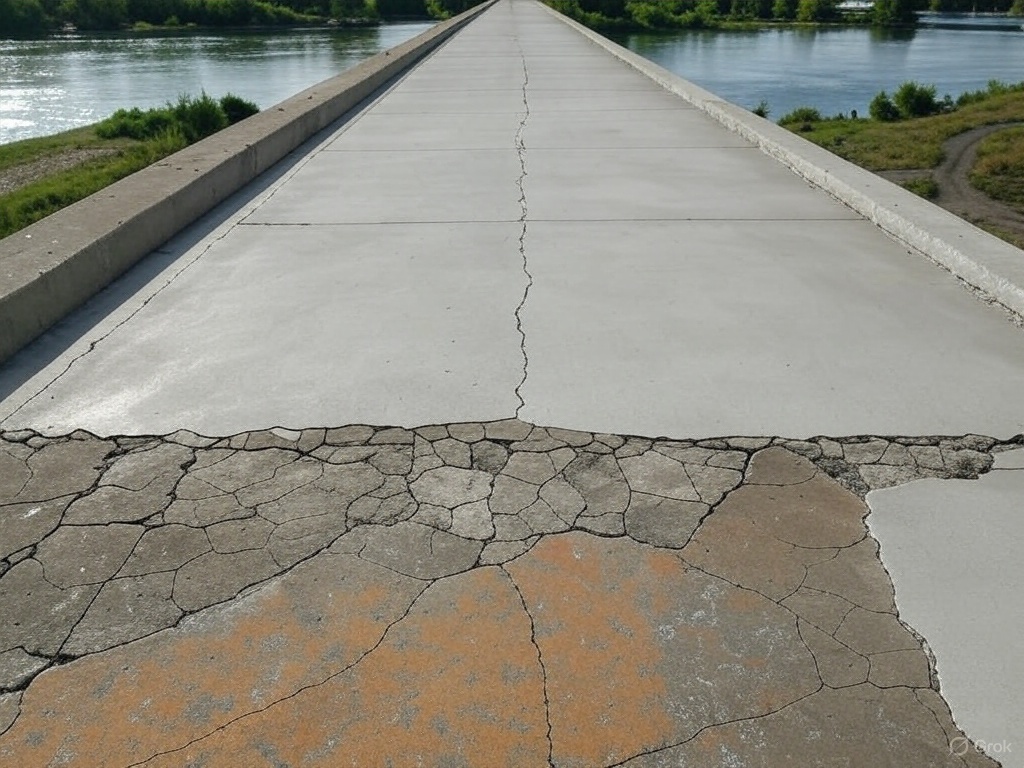
    • Cracking: A characteristic “map cracking” or “pattern cracking” on the surface, often with a network of fine, interconnected cracks.
    • Expansion: Measurable expansion of the concrete, which can cause joints to close, slabs to lift, or structural elements to misalign.
    • Gel Formation: White or grayish gel-like deposits may be visible at cracks or on the surface, sometimes exuding from the concrete.
    • Spalling and Pop-outs: In advanced stages, the surface may flake or chip, and small pieces of concrete may break off.
    • Staining: Discoloration around cracks, often due to the gel or secondary reactions.

    Impact on Concrete Structures

    ASR can significantly affect the durability and service life of concrete structures:

    • Structural Integrity: While ASR rarely causes immediate structural failure, the cracking and expansion can weaken the concrete over time, reducing its load-bearing capacity.
    • Aesthetic Damage: The cracking and spalling can make structures look unsightly, which is a concern for visible elements like sidewalks, walls, or architectural features.
    • Increased Maintenance Costs: Affected structures often require repairs, such as crack sealing, surface treatments, or even replacement of damaged sections.
    • Secondary Damage: Cracks from ASR allow water and aggressive chemicals (like chlorides) to penetrate, which can lead to rebar corrosion, further exacerbating deterioration.

    Testing and Diagnosis

    To confirm ASR in a concrete structure, several tests can be conducted:

    • Petrographic Examination: A thin section of the concrete is examined under a microscope to identify the presence of reactive aggregates, gel formation, and micro-cracking.
    • Expansion Testing: Core samples are tested in a lab to measure residual expansion potential under controlled conditions (e.g., ASTM C1293, the Concrete Prism Test).
    • Chemical Analysis: The alkali content of the cement and the presence of gel can be analyzed using techniques like scanning electron microscopy (SEM) or X-ray diffraction (XRD).
    • Field Observations: Visual inspection for characteristic cracking patterns, gel exudation, and expansion-related damage.

    Prevention of ASR

    Preventing ASR involves breaking the “ASR triangle” by controlling one or more of the necessary conditions. Here are some strategies:

    1. Use Non-Reactive Aggregates:
      • Test aggregates for reactivity using standards like ASTM C1260 (Accelerated Mortar Bar Test) or ASTM C1293.
      • If reactive aggregates must be used, blend them with non-reactive aggregates to dilute the reactive silica content.
    2. Limit Alkali Content:
      • Use low-alkali cement (Na₂Oeq below 0.6%).
      • Avoid external sources of alkalis, such as deicing salts containing sodium or potassium.
    3. Incorporate Supplementary Cementitious Materials (SCMs):
      • Add materials like fly ash, slag, or silica fume to the concrete mix. These SCMs can reduce the availability of alkalis by binding them into less reactive compounds and reducing the pH of the pore solution.
      • For example, using 25-40% fly ash can significantly mitigate ASR by reducing the alkali concentration in the pore solution.
    4. Control Moisture:
      • Design structures with proper drainage to minimize water infiltration.
      • Apply sealers or coatings to reduce moisture penetration into the concrete.
      • Ensure good curing practices to minimize early-age cracking, which can allow water ingress.
    5. Use Lithium Compounds:
      • Lithium-based admixtures (e.g., lithium nitrate) can be added to the concrete mix to suppress ASR. Lithium ions alter the reaction, forming a non-expansive gel instead of the swelling gel.
      • This method is effective but can be costly and is typically used in high-risk projects.
    6. Proper Mix Design:
      • Optimize the water-to-cement ratio to reduce permeability, making it harder for water to penetrate and facilitate the reaction.
      • Ensure proper curing to enhance the concrete’s durability and reduce the likelihood of cracking.

    Mitigation and Repair of ASR Damage

    If ASR has already occurred, mitigation and repair strategies can help manage the damage and extend the structure’s service life:

    1. Moisture Control:
      • Apply waterproofing sealers or coatings to reduce water ingress and slow the reaction.
      • Improve drainage around the structure to keep the concrete as dry as possible.
    2. Crack Sealing:
      • Fill cracks with epoxy or flexible sealants to prevent further water penetration.
      • This is a temporary measure and does not stop the underlying reaction.
    3. Surface Treatments:
      • Apply lithium-based treatments to penetrate the concrete and suppress further gel expansion.
      • Silane or siloxane sealers can also be used to reduce moisture ingress.
    4. Structural Reinforcement:
      • For critical structures, external reinforcement (e.g., carbon fiber wraps or steel plates) can be applied to manage expansion and maintain structural integrity.
      • In some cases, post-tensioning can be used to counteract the expansive forces.
    5. Replacement:
      • In severe cases, the affected concrete may need to be removed and replaced with ASR-resistant materials.
      • This is often the most expensive option and is typically a last resort.
    6. Monitoring:
      • Install strain gauges or crack monitors to track expansion and cracking over time.
      • Regular inspections can help determine the rate of deterioration and the effectiveness of mitigation measures.

    Real-World Examples and Research Insights

    • Case Studies:
      • ASR has been a significant issue in structures like the Seabrook Nuclear Power Plant in New Hampshire, where ASR-related cracking was identified in the 2010s. Mitigation involved monitoring, sealing cracks, and applying lithium treatments.
      • In Australia, the M4 Motorway in Sydney experienced ASR damage due to reactive aggregates in the concrete, leading to extensive repairs and the use of SCMs in subsequent projects.
    • Research:
      • Studies, such as those by the Portland Cement Association (PCA), have shown that using 20-30% fly ash can reduce ASR expansion by up to 70% in many cases.
      • The Federal Highway Administration (FHWA) has developed guidelines for ASR prevention, emphasizing the importance of aggregate testing and the use of low-alkali cements in high-risk areas.

    Conclusion

    Alkali-Silica Reaction is a complex deterioration mechanism that can significantly impact the durability of concrete structures, particularly in environments with high moisture and reactive aggregates. Understanding the conditions that lead to ASR and implementing preventive measures during the design and construction phases are key to avoiding its damaging effects. For existing structures, early diagnosis and appropriate mitigation strategies can help manage the reaction and extend service life. If you’re working on a specific project where ASR is a concern, testing aggregates and consulting with a materials engineer can provide tailored solutions to minimize risks.

  • Spalling Concrete in Depth

    Spalling Concrete in Depth

    Key Points to Prevent Spalling in Concrete

    • Research suggests using a low water-to-cement ratio (below 0.45) and air-entraining admixtures to reduce permeability and resist freeze-thaw cycles.
    • It seems likely that proper curing for at least 7 days, ideally 28 days, helps strengthen concrete and prevent surface deterioration.
    • The evidence leans toward applying a penetrating sealer 28 days after placement and reapplying periodically to protect against moisture.
    • An unexpected detail: creating control joints at 1/4 the slab depth can help manage cracking, reducing spalling risk in slabs.

    Preventing Spalling in Concrete

    Spalling in concrete, where the surface flakes or chips due to factors like freeze-thaw cycles, moisture, or chemical exposure, can be prevented with careful planning and maintenance. Here’s a clear guide for homeowners and builders:

    Mix Design and Materials

    Start with a concrete mix that has a low water-to-cement ratio, ideally below 0.45, to make it stronger and less permeable. Add air-entraining admixtures, especially in cold climates, to create tiny air pockets that help water expand during freezing without damaging the concrete. Use high-quality aggregates free from contaminants like clay, and avoid those prone to alkali-silica reaction (ASR), which can cause internal cracking.

    Curing and Finishing

    Cure the concrete properly by keeping it moist for at least 7 days, preferably 28 days, using methods like wet curing, curing compounds, or covering with plastic. This ensures it gains strength and resists surface weakening. During placement, avoid overworking the surface to prevent bringing excess water and fines to the top, and don’t pour on frozen ground—ensure proper compaction to eliminate voids.

    Sealing and Drainage

    After curing, apply a penetrating waterproofing sealer, like silane or siloxane-based options, 28 days after placement to block water and salt. Reapply every few years based on exposure. Design the structure with good drainage, such as sloping driveways or sidewalks at 1-2% grade, to prevent water buildup, which can lead to freeze-thaw damage.

    Reinforcement and Joints

    Use reinforcement like rebar or wire mesh to control cracking from temperature changes or loads. For slabs, create control joints at 1/4 the depth to manage cracking, reducing the risk of spalling. This is especially helpful for driveways or patios.

    Early Care

    Avoid using deicing salts, like sodium chloride, on new concrete during its first winter, as they can penetrate and corrode the surface, leading to spalling.

    Following these steps can significantly extend the life of your concrete, keeping it smooth and safe. For specific projects, consult a professional or check local building codes.


    Detailed Survey Note on Preventing Spalling in Concrete

    This note provides an in-depth exploration of preventing spalling in concrete, expanding on the key methods and incorporating technical details for a comprehensive understanding. Spalling, characterized by the flaking, chipping, or breaking off of concrete surfaces, is often caused by freeze-thaw cycles, moisture ingress, chemical exposure, or rebar corrosion. Preventive measures are crucial, especially in regions with harsh winters or high exposure to environmental stressors. Below, we detail the strategies, supported by recent insights and practical applications, ensuring a thorough guide for both professionals and laymen.

    Understanding Spalling and Its Causes

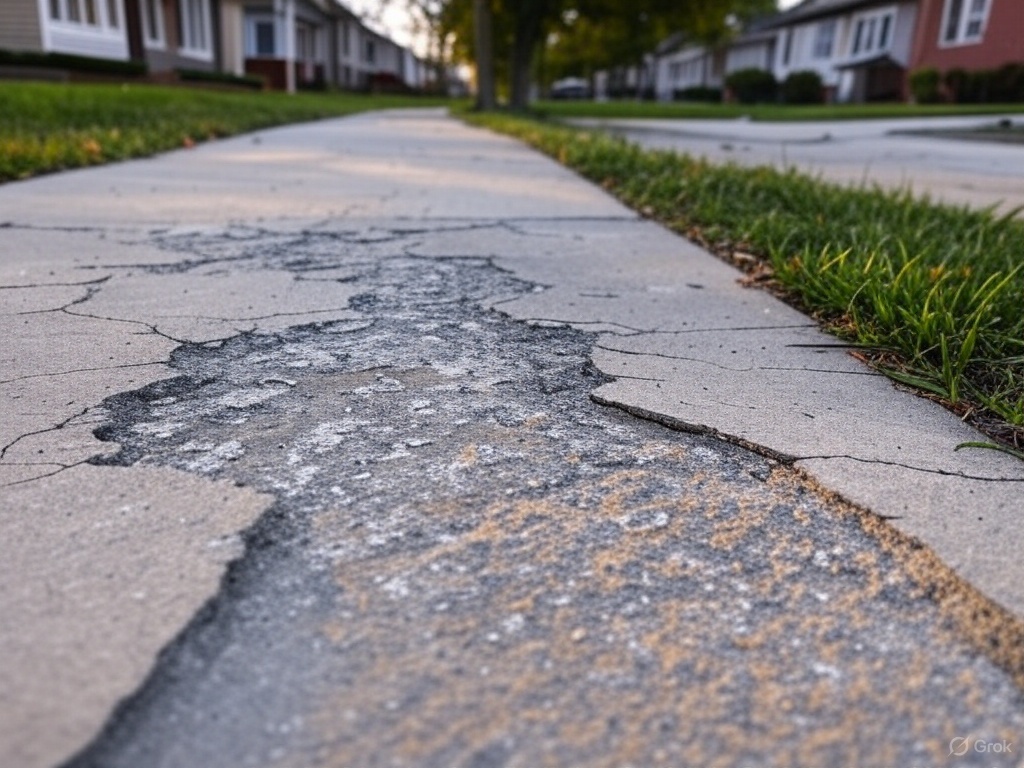
    Spalling refers to the deterioration of the concrete surface, manifesting as pitting, chipping, or peeling, which can compromise structural integrity and pose safety hazards like trip risks. Common causes include:

    • Freeze-thaw cycles, where water in concrete freezes, expands, and causes surface damage.
    • Moisture penetration, exacerbated by poor drainage or lack of sealing.
    • Rebar corrosion, where rusting steel expands and forces concrete apart, often due to carbonation or chloride ingress.
    • Chemical attacks, such as sulphate attack or alkali-silica reaction (ASR), which can weaken the matrix.

    Given these causes, prevention focuses on reducing permeability, enhancing durability, and protecting against environmental factors.

    Detailed Prevention Methods

    The following table summarizes the primary prevention methods, with specific details and considerations:

    MethodDescriptionKey ConsiderationsTiming/Interval
    Proper Mix DesignUse a low water-to-cement ratio (below 0.45) and air-entraining admixtures for freeze-thaw resistance.Ensure aggregates are free from contaminants like clay; avoid ASR-prone materials.During concrete mixing
    Quality MaterialsSelect durable, well-graded aggregates and sulphate-resistant cement for aggressive environments.Test aggregates for ASR potential; use supplementary cementitious materials like fly ash.Pre-construction
    Adequate CuringCure for at least 7 days, ideally 28 days, using wet curing, compounds, or plastic covering.Prevent rapid drying from wind or heat; ensure uniform hydration for strength.Post-placement, 7-28 days
    SealingApply penetrating sealers (e.g., silane, siloxane) 28 days after placement, reapply every few years.Choose sealers with anti-carbonation properties for exposed environments.28 days post-placement
    Proper DrainageDesign with slopes (e.g., 1-2% grade) to direct water away from surfaces like driveways.Ensure no water pooling; consider landscaping for additional runoff control.During design/construction
    Reinforcement and Control JointsUse rebar or wire mesh for cracking control; create control joints at 1/4 slab depth for slabs.Joints manage tensile stresses; reinforcement prevents structural cracks.During construction
    Avoid Deicing Salts EarlyRefrain from using salts like sodium chloride on new concrete during the first winter.Prevents chloride ingress and corrosion; use sand for traction instead.First winter post-placement
    Controlled Placement/FinishingAvoid overworking during finishing to prevent weak surface layers; compact to eliminate voids.Don’t pour on frozen ground; ensure proper vibration for compaction.During placement/finishing

    These methods address the most common causes, with additional considerations for specific scenarios. For instance, in areas with high CO2 exposure, ensuring adequate concrete cover over rebars (e.g., 40 mm vs. 30 mm, where 30 mm offers 25% less protection) and applying anti-carbonation coatings like MAPELASTIC GUARD can extend service life.

    Technical Insights and Additional Measures

    Beyond the basics, technical insights reveal further strategies:

    • Carbonation Protection: Carbonation reduces concrete’s alkalinity (pH ~12), exposing rebars to corrosion. Using low-porosity concrete and coatings with anti-carbonation properties, as noted in Mapei’s technical talk, can mitigate this. For repairs, undercutting corroded steel by approximately 20 mm and saw-cutting edges to 12 mm depth, followed by water-jetting at minimum 250 MPa, ensures a clean bond for patch materials.
    • Professional Installation: For large or visible surfaces, professional installation is recommended, especially in harsh winters, to minimize spalling risk. This includes using reliable tools like paddle mixers for consistent mixing, as highlighted in BN Products’ guide.
    • Environmental Factors: In regions with frequent wetting/drying cycles, adhering to good placement, compaction, and curing practices is critical to prevent defects like honeycombs or voids, which can accelerate moisture penetration.

    Practical Applications and Unexpected Details

    An unexpected detail for laymen might be the role of control joints, which are cuts made at 1/4 the slab depth to manage cracking, reducing spalling risk in slabs like driveways or patios. This is often overlooked but crucial for tensile stress management, as noted in BN Products’ guide. Another insight is the timing of sealing—28 days post-placement aligns with curing completion, ensuring the surface is ready for protection, a detail from Concrete Network’s advice.

    For homeowners, sealing every few years and avoiding deicing salts in the first winter are practical steps that can significantly extend concrete life, while builders might focus on mix design and reinforcement for long-term durability.

    Conclusion and Recommendations

    Preventing spalling in concrete requires a holistic approach, from mix design to ongoing maintenance. By following the outlined methods, such as using a low water-to-cement ratio, ensuring proper curing, and applying sealers, you can reduce the risk of surface deterioration. For specific projects, especially in aggressive environments, consult professionals or refer to standards like those from the American Concrete Institute (ACI), though direct ACI resources were not detailed here. This comprehensive strategy ensures both aesthetic and structural longevity, addressing the complexities of concrete behavior in various conditions.


    Key Citations

  • Structural and non-structural cracks in concrete – know the difference

    Structural and non-structural cracks in concrete – know the difference

    Structural and non-structural cracks in concrete differ primarily in their causes, implications, and the urgency of their repair.

    Structural Cracks:

    1. Causes: These are typically caused by external loads, seismic activities, vibrations, or excessive force exceeding the concrete’s capacity. They can also result from design flaws, foundation settlement, or poor construction practices.
    2. Implications: Structural cracks directly affect the structural integrity of the concrete element. They can compromise the load-bearing capacity, leading to potential failure or collapse if not addressed promptly.
    3. Examples: Flexural cracks in beams, shear cracks in slabs, torsional cracks, and cracks due to foundation settlement.
    4. Repair Urgency: Repairs are usually urgent and essential to restore the structural integrity and safety of the structure.

    Non-Structural Cracks:

    1. Causes: These cracks are usually due to factors such as thermal expansion and contraction, plastic shrinkage, drying shrinkage, and minor settlement. They can also result from chemical reactions within the concrete, like alkali-silica reaction.
    2. Implications: Non-structural cracks primarily affect the appearance and durability of the concrete. They may not pose an immediate threat to the structural integrity but can lead to problems like water ingress, corrosion of reinforcement, and reduced durability if left unaddressed.
    3. Examples: Crazing, map cracking, plastic shrinkage cracks, and drying shrinkage cracks.
    4. Repair Urgency: Repairs may not be immediately necessary but should be planned to prevent future damage and maintain the aesthetic and durability of the concrete.

    Summary Table:

    FeatureStructural CracksNon-Structural Cracks
    CausesExternal loads, seismic activity, design flawsThermal changes, plastic and drying shrinkage, minor settlement
    ImplicationsCompromise structural integrity, potential collapseAffect appearance, can lead to durability issues
    ExamplesFlexural cracks, shear cracks, foundation settlement cracksCrazing, map cracking, shrinkage cracks
    Repair UrgencyUrgent and essentialLess urgent, but necessary to prevent future damage
  • Cracks in Concrete

    Cracks in Concrete

    Cracks in concrete are a common issue influenced by various factors. According to Layang (2022), cracks are unavoidable but can be controlled in size. They are categorized into non-structural and structural types, caused by factors ranging from material properties to external loads. Abou-Zeid et al. (2007) explain that cracks can signify both minor and major structural issues, emphasizing the importance of addressing the underlying causes to ensure durable repairs. Uno (2011) highlights that cracks in freshly placed concrete have been a persistent problem since ancient times, with steel reinforcement only mitigating but not eliminating the issue. Reinhardt and Walraven (1982) focus on cracks due to shear stress, finding that concrete quality and reinforcement ratio significantly influence crack behavior. Lastly, Cockerell (2005) introduces a method to deliberately form cracks using specific tools to control the location and nature of cracks in concrete slabs. See our Policy regarding Cracks.

    A hairline fracture in a concrete slab is a very thin crack that typically does not affect the structural integrity of the slab. These fractures can occur due to several reasons, including shrinkage during the curing process, thermal expansion and contraction, or minor settling of the foundation. While often considered minor, it is essential to monitor these cracks to ensure they do not expand or indicate more significant underlying issues.

    Serial NumberPaper TitleInsightCitation Count
    1Cracks in reinforced concrete beam (Samuel Layang, 2022)Discusses the types and causes of cracks in concrete beams and their impact on structural integrity.
    2Causes, Evaluation, and Repair of Cracks in Concrete Structures (Abou-Zeid et al., 2007)Highlights the various causes of cracks and the importance of addressing them for long-term repair.68
    3Cracks in freshly placed concrete (Paul Uno, 2011)Explores the historical persistence of cracks in concrete and the limited role of steel reinforcement.2
    4Cracks in Concrete Subject to Shear (Reinhardt & Walraven, 1982)Examines shear-induced cracks and the factors affecting their behavior, including concrete quality and reinforcement.47
    5Method and apparatus for forming cracks in concrete (Allan David Cockerell, 2005)Describes a method for controlled crack formation in concrete slabs using specific tools.9