Volume Concrete LLC., supplies a Controlled Density Fill that can be ordered with a density ranging from 50psi up to 300psi.
Looking for Early Load Application? Rapid Set® Flowable Fill CDF is available – Little to No Subsidence, ready for pavement in 1 hour – learn more
Most common used in the Portland Metro is the 150psi CDF mix.
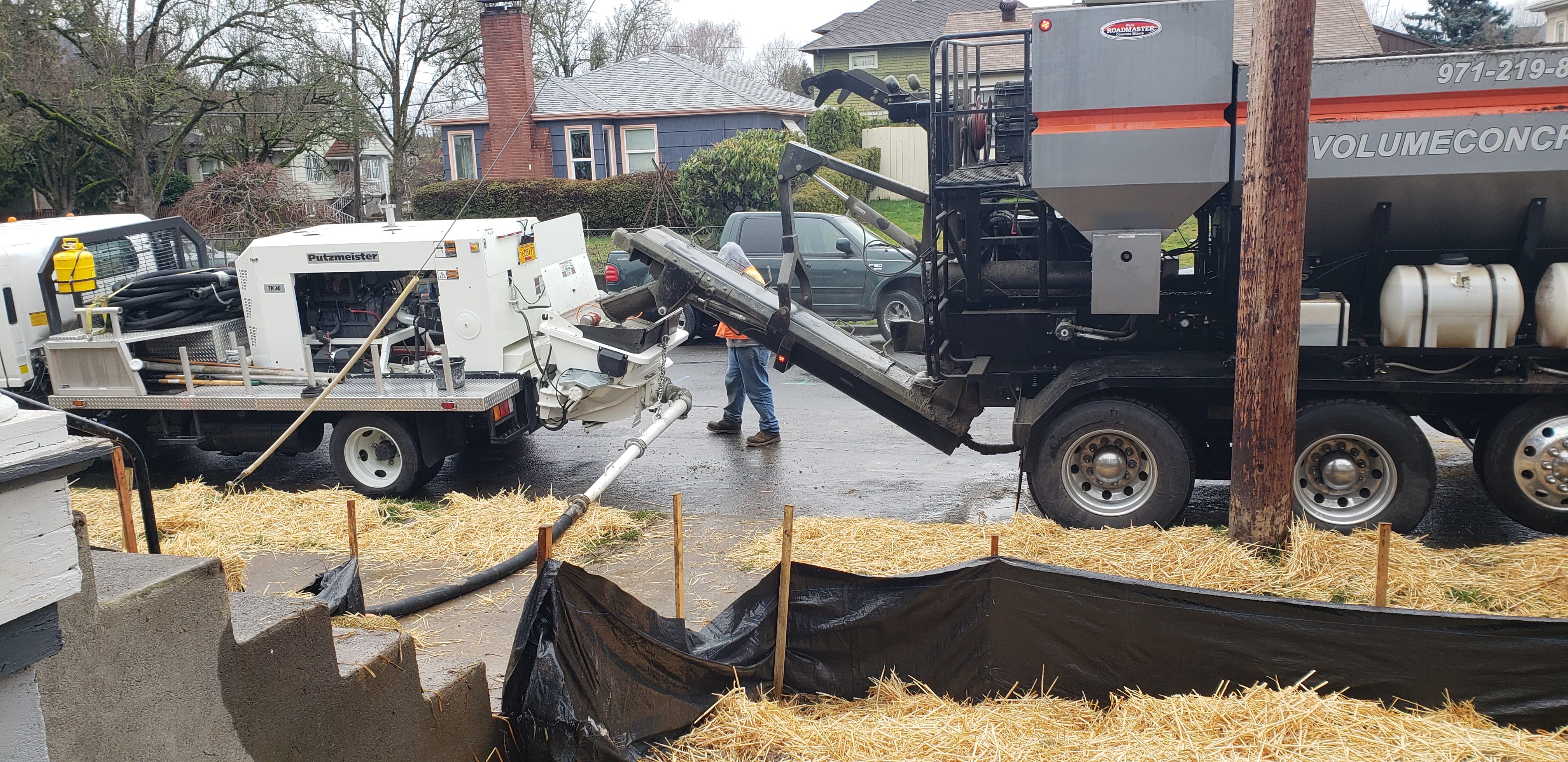
Our CDF mix is self consolidating for optimal coverage of utilities and voids. With the addition of an admix, the CDF can be pumped over 150′ through a line pump.
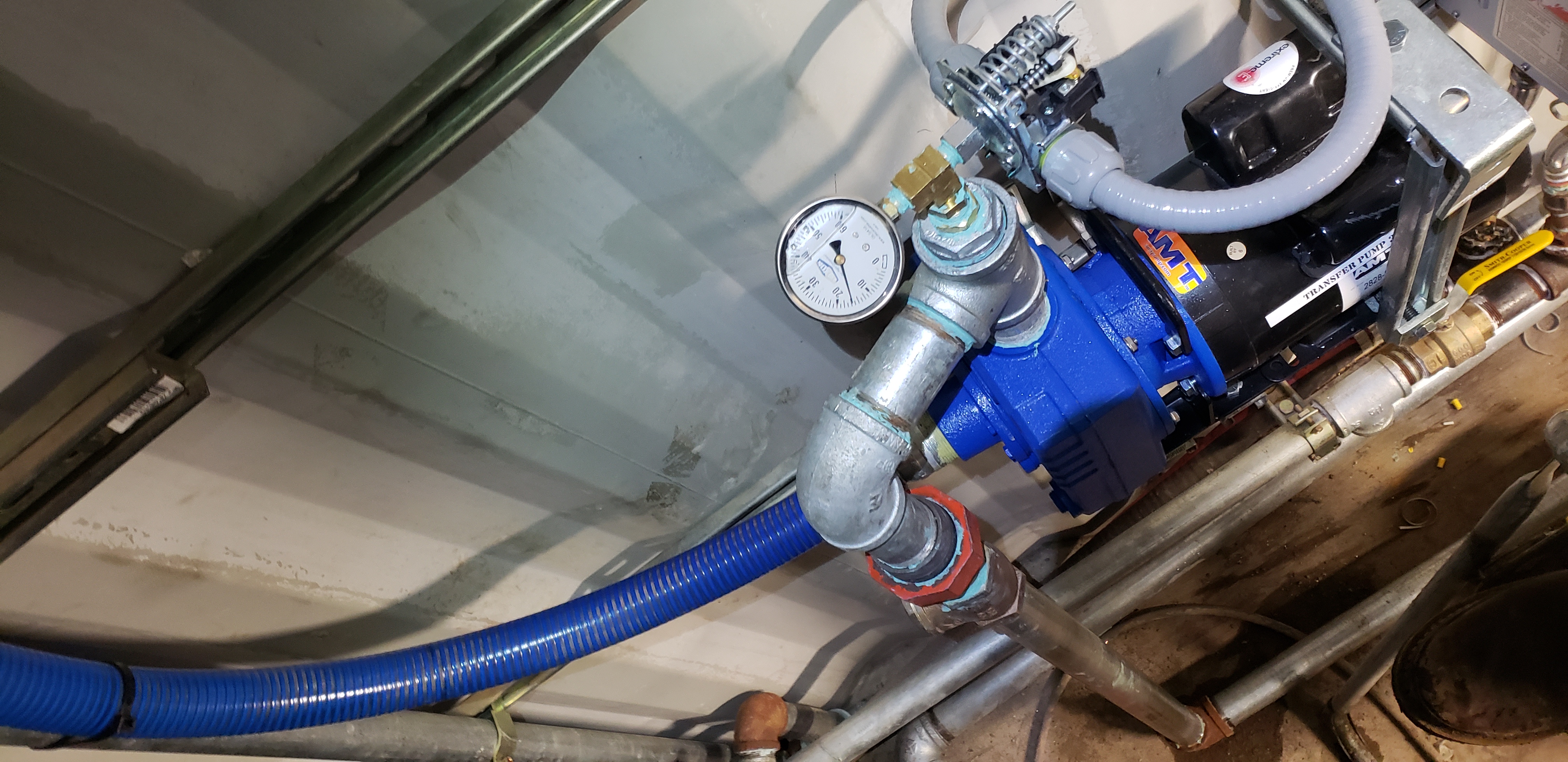
Decommissioning pipes and tanks? We have special welded fittings in either male or female threads using NPT (national pipe thread) in 2″, 2.5″ and 3″ adapters available for line pumps operations.
Underground Storage Tank (UST) Permits and Information can be found here:
Volume Concrete LLC., is supplying a fast setting, High Early Strength Concrete (HESC) produced by Rapid Set®
Concrete Cure Time Estimator for Rapid Set Concrete from Volume Concrete
Concrete Cure Time Estimator for Rapid Set Concrete from Volume Concrete
This chart illustrates the compressive strength development over time for Rapid Set Concrete, based on the following key milestones:
3,000 psi after 4 hours
5,000 psi after 24 hours
How We Attain These Calculations
These compressive strength values are obtained through laboratory testing in accordance with ASTM C39 standards, where concrete samples are prepared, cured under controlled conditions, and subjected to compression tests at specified time intervals to measure their load-bearing capacity.
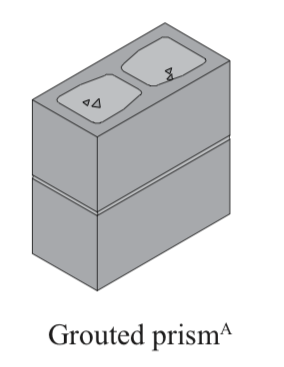
Volume Concrete Delivers Grout for Grouted Brick Prisms
Masons like the Grout from Volume Concrete thanks to the freshness (mixed on-site), and the ability to adjust the slump on-the-fly, and vary the sack amount for the cement component.
Admixtures on board include Viscosity Modifiers for increasing the flowability and increasing the consolidation around rebar and other components that may lead to blockage.
The Grout from Volume Concrete is easily pumpable through a small line pump thanks to lack of aggregates and the increased amount of fine sands.
This particular Grout is a High-Strength Flowable Fill with p.s.i. strengths exceeding the 2000psi requirement usually required in the local market.
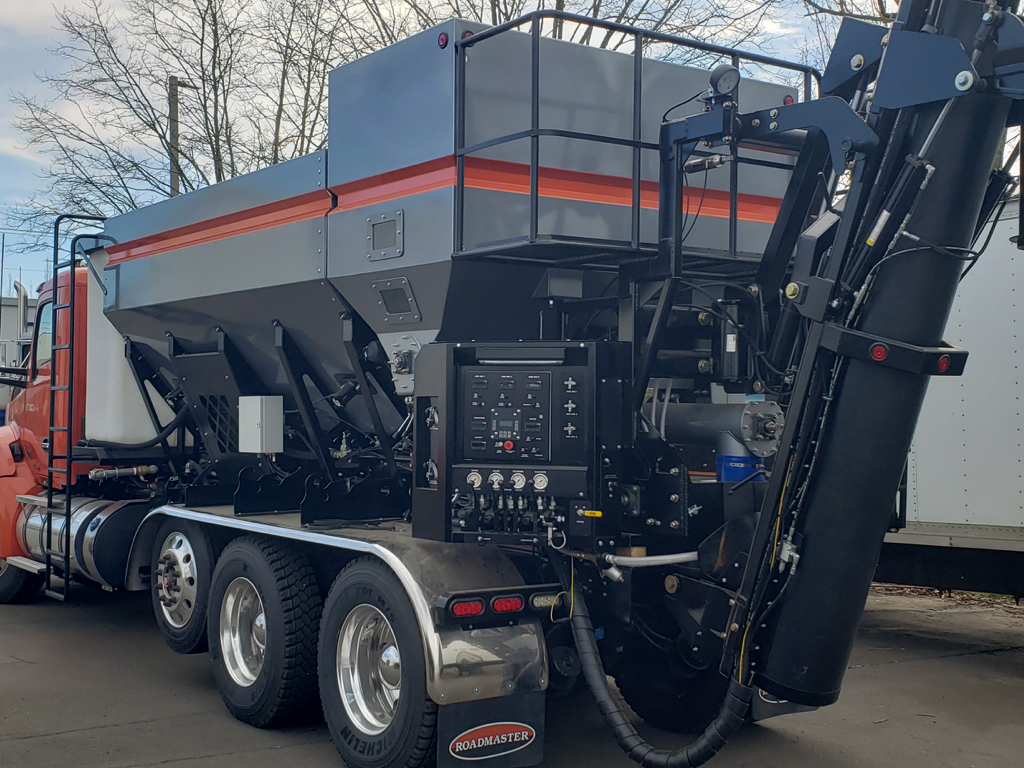
Thanks to the determined crew at RoadMaster Mixer Trucks we were able to get Mixer Truck 3 on the road in time for Spring. This beauty has the capability to change the mix design on the fly, adjusting water/cement ratios, sand and aggregate amounts, and with three separate admix storage tanks we are able to incorporate Air Entrainment, Accelerators (non-chloride), and other admixes that allow for longer pumping distance, easier placement, and a quality finish.
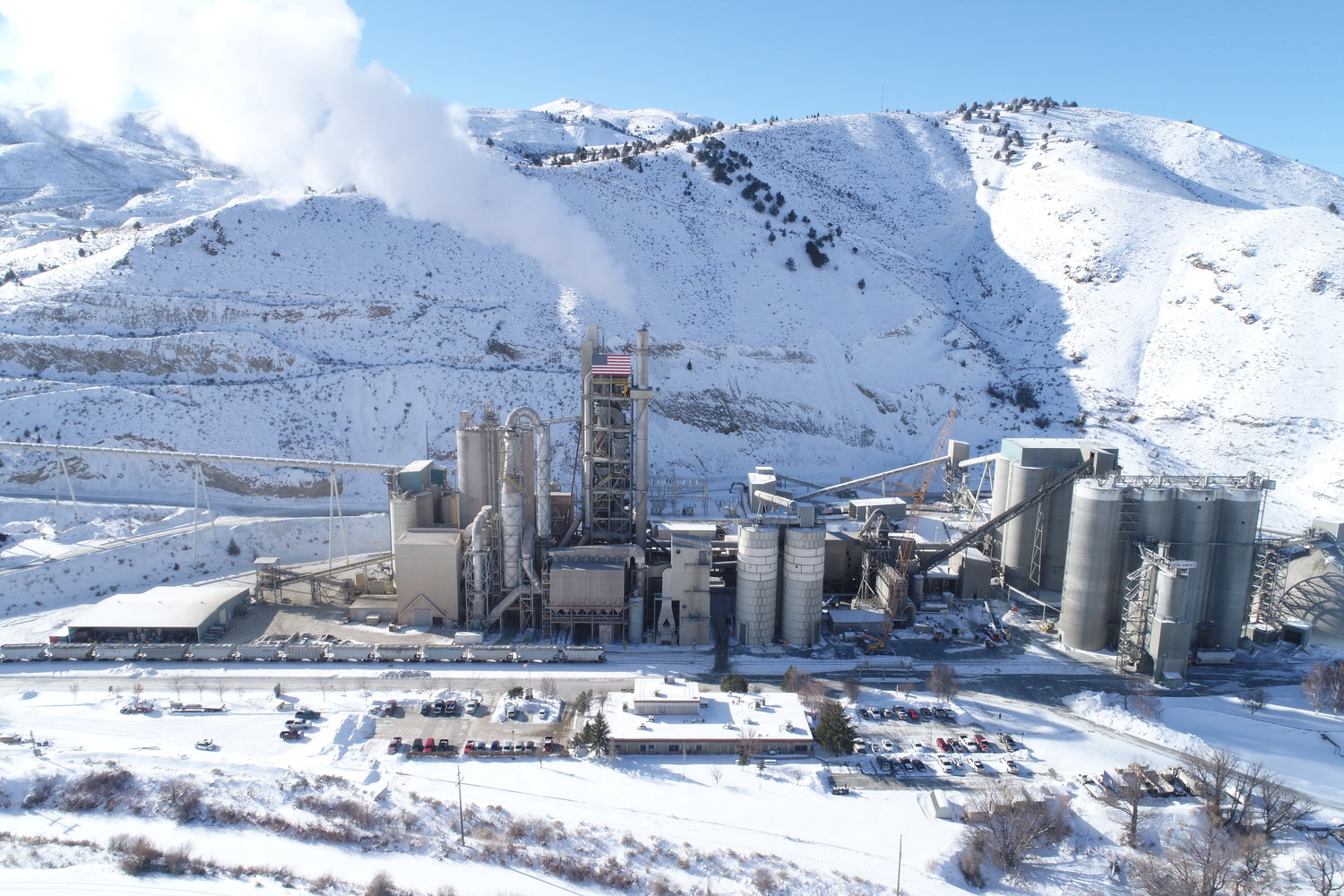
It’s no secret, we like to support the local community. AshGrove Cement is one of those great local companies that support the thriving industry with quality products and service.
Here is a fact sheet provided by AshGrove about their operations in Durkee, Oregon:
Local Economic Impact
• 115 employees
• Annual payroll: $13 million
• Annual local taxes paid: More than $726,000
• Approx. 600 additional jobs exist with other local companies to support Ash Grove’s operations.
• Production began: 1979
• Plant expansion: 1998
• Plant production capacity: 1,084,100 tons of clinker produced per year.
The winter months can make concrete a challenge. Anything below 32 degrees Fahrenheit is not recommended especially considering if the ground is frozen solid.
Concrete is in a plastic state (wet) when initially delivered and mixed. This wet product will have a tendency to freeze just like water. Once a concrete mix has frozen, it is worthless.
To avoid the costly mistake of frozen concrete a few steps must be taken.
Always use hot water and an admixture containing an accelerator and a water reducer (WR). An accelerator alone is often sufficient until temperatures become exceedingly cold. By using an additional admixture WR, the probability of the concrete turning into frozen crystals is less.
Another important aspect to cold weather concreting is the reduction of exposure to the elements. Cold weather insulating blankets are a necessity when it is critical to maintain the temperature within the plastic concrete. Once the hot water and admixtures have been mixed, the concrete has thus started it’s chemical reaction. It is very important to not re-temp the concrete by adding more water or chemicals.
Volume Concrete LLC., uses admixtures that meet ASTM C494 type C accelerating and type E WR, requirements.
The time is here and the temperatures are dropping. The HOT WATER is in every delivery and already included in the price, no additional charges.
Volume Concrete LLC., uses hot fresh potable clean water for all loads and deliveries beginning in October through April.
Hot water acts as a catalyst to help kickstart the chemical reaction that occurs when hydrating cement. This will help the concrete achieve an early set during colder temperatures.
What is a Detectable Warning Surface? What kind of concrete is needed for Tactile replacement in Oregon (see below)?
The primary purpose of a cross-walk at an intersection for the the safety of the pedestrian. Yet, many accidents occur in the cross-walk involving pedestrians, cyclists and automobiles.
Too address the major issue involving cross-walk accidents, an innovative solution is taking hold across our communities by using a concrete tactile.
The concrete tactile is a cast-in-place product offered by many companies that is essentially a Detectable Warning Surface used to ALERT individuals of the dangers. Often times these tactile surfaces are placed at intersections, and cross-walks.
ADA Pads are another term used to describe the Detectable Warning Surface.
What Is a Curb Ramp? A curb ramp is a short ramp cutting through a curb or built up to it. If designed and constructed to be accessible, a curb ramp provides an accessible route that people with disabilities can use to safely transition from a roadway to a curbed sidewalk and vice versa. – via ADA Tool Kit
curb ramp example (shaded portion labeled RAMP is where the detectable warning surface is located.
What kind of Concrete is needed for Tactile Replacement in Oregon and the Portland Metro? Volume Concrete LLC., delivers a 4,000psi mix that adheres to the local building codes and requirements. This specific mix design is dialed specifically for the Detectable Warning Surface and ADA Tactile, allowing for an easier install without compromising strength or workability.
Note: Each City, County and State have specific requirements regarding the concrete mix design, and it is important to do due diligence in researching those community-specific requirements.
The ADA Standards require that curb ramps include features called “detectable warnings.” Detectable warnings consist of a series of small domes that contrast in color with the surrounding sidewalk or street. They must be integrated into the walking surface, and there are specific measurements for the size and spacing of the domes. – via ADA Tool Kit