Author: Volume Concrete

  • Comprehensive Analysis of Concrete Staining Techniques for 2025

    Comprehensive Analysis of Concrete Staining Techniques for 2025

    Delivering Ready Mix Concrete Monday – Saturday

    As of May 28, 2025, concrete staining remains a pivotal technique for enhancing the aesthetic and functional qualities of concrete surfaces, particularly for residential projects like driveways, patios, and walkways. This analysis, tailored for small family businesses, explores the main staining techniques, their applications, and the latest trends shaping the industry. By understanding these methods, businesses can offer value-added services to clients, meeting both aesthetic and durability needs.

    Main Concrete Staining Techniques

    Concrete staining involves applying color to concrete surfaces through various methods, each with distinct processes, pros, and cons. Below is a detailed breakdown:

    1. Acid Staining
      • Process: Acid stains, typically made from hydrochloric acid and metallic salts, react chemically with the calcium hydroxide in concrete, creating a permanent, translucent color. This results in earthy tones like browns, tans, and greens.
      • Pros:
        • Produces a natural, mottled look that enhances the concrete’s organic characteristics.
        • Colors are permanent and won’t peel or fade, offering long-term durability.
      • Cons:
        • Limited to earth tones, restricting color options for vibrant designs.
        • Results can be unpredictable due to variations in concrete composition, requiring careful testing.
        • Requires careful handling due to the acidic nature, necessitating safety gear like gloves and masks.
      • Best Applications: Outdoor surfaces like patios and driveways where a rustic or aged look is desired, such as mimicking natural stone.
      • Application Tips: Thoroughly clean and prepare the surface to ensure even penetration, test on a small area first, and neutralize the acid with a baking soda solution after 4–6 hours to stop the reaction.
    2. Water-Based Staining
      • Process: These stains use pigments and acrylic polymers to penetrate the concrete, offering a broader color range, including vibrant reds, blues, and yellows.
      • Pros:
        • Safe to use (non-toxic, low odor), making it suitable for residential settings.
        • Provides consistent and predictable results, reducing the risk of uneven coloring.
        • Wider color palette than acid stains, appealing to clients seeking bold or pastel shades.
      • Cons:
        • Less permanent than acid stains; may fade over time if not properly sealed, especially under UV exposure.
        • Can appear more uniform, lacking the natural variegation of acid stains, which some clients may prefer.
      • Best Applications: Both indoor and outdoor surfaces where vibrant colors are preferred, such as garage floors or decorative patios.
      • Application Tips: Apply in thin, even coats using a sprayer, roller, or brush, allow each coat to dry (1–2 hours) before adding layers for deeper color, and use a high-quality sealer to protect against UV fading and wear.
    3. Dye Staining
      • Process: Concrete dyes, which can be solvent- or water-based, penetrate the surface to deposit fine color particles, offering bright and vivid colors, including metallics and neons.
      • Pros:
        • Quick-drying (often within 30 minutes), speeding up project timelines.
        • Highly customizable; dyes can be mixed for custom shades, catering to client preferences.
      • Cons:
        • Less durable than acid stains; prone to fading if not sealed, particularly under sunlight.
        • Requires a very clean surface to ensure even color distribution, increasing preparation time.
      • Best Applications: Indoor floors or surfaces where bold, artistic colors are desired, such as entryways or showrooms.
      • Application Tips: Use a sprayer for solvent-based dyes to avoid streaks, ensure good ventilation due to strong fumes, and apply after grinding or polishing the concrete for a uniform finish.
    4. Integral Staining
      • Process: Pigments are added directly to the concrete mix before pouring, coloring the entire slab uniformly throughout its depth.
      • Pros:
        • Color runs through the entire depth of the concrete, so chips or scratches won’t reveal gray concrete, enhancing longevity.
        • No need for post-pour staining; just finish and cure as usual, simplifying the process.
      • Cons:
        • More expensive due to the cost of pigments and the need for precise batching at the mix plant.
        • Color cannot be changed after pouring, limiting flexibility for future modifications.
      • Best Applications: New construction projects like patios or driveways where uniform color is desired from the start, ensuring consistency.
      • Application Tips: Ensure consistent mixing at the batch plant to avoid color variations, and pair with a surface sealer for enhanced durability and color protection.
    5. Stenciling and Layering
      • Process: Combines staining with stencils or tape to create patterns, borders, or designs, often layering multiple stain types (e.g., acid for the base, water-based for accents) for artistic effects.
      • Pros:
        • Highly customizable; can create logos, tile effects, or faux stone patterns, appealing to high-end clients.
        • Adds a high-end, artistic touch to driveways or patios, increasing property value.
      • Cons:
        • Time-intensive and requires careful planning and application, increasing labor costs.
        • Higher skill level needed for professional results, which may require additional training for small businesses.
      • Best Applications: Custom designs for high-end residential or commercial projects, such as custom patios or entryways.
      • Application Tips: Plan your design and lay out stencils before staining; use adhesive stencils to prevent bleed-through, and use contrasting colors for striking effects (e.g., dark acid stain base with lighter water-based highlights).

    Latest Trends in Concrete Staining for 2025

    The concrete staining industry is evolving rapidly, with new trends focusing on sustainability, aesthetics, and innovation. Here are the key trends shaping the field in 2025:

    1. Eco-Friendly Stains
      • With growing environmental awareness, there’s a shift towards low-VOC and water-based stains. These are safer for applicators and the environment while still delivering beautiful finishes, appealing to eco-conscious clients.
      • Sustainable practices in concrete production, such as using recycled materials (e.g., crushed glass, slag), are also becoming more common, indirectly benefiting staining by improving overall project sustainability.
    2. Decorative and Specialty Finishes
      • Combining staining with other techniques like stamping, polishing, engraving, or stenciling is increasingly popular. This allows for unique looks that mimic natural stone, wood, or tile, catering to clients seeking high-end aesthetics.
      • Metallic stains and specialty finishes are gaining traction for their modern, luxurious appeal, particularly for indoor floors and decorative outdoor spaces.
    3. Digital Design Tools
      • Technology now allows for digital visualization of stained concrete designs before application, helping clients see the final result and make informed decisions. This trend is particularly useful for small businesses to showcase potential outcomes to clients.
    4. Sustainability in Concrete Production
      • The broader concrete industry is moving towards green technologies, including the use of recycled materials and low-carbon cement. This trend indirectly benefits staining by improving the overall sustainability of concrete projects, aligning with client preferences for eco-friendly options.
    5. Customization and Artistic Expression
      • Clients are increasingly seeking unique, personalized designs. Techniques like layering multiple stains or using stencils for intricate patterns are in high demand, offering opportunities for small businesses to differentiate their services.

    Why Choose Concrete Staining?

    Concrete staining offers several advantages over traditional painting or coating methods, making it an attractive option for residential projects:

    • Durability: Stains penetrate the concrete, becoming part of the surface rather than sitting on top, making them more resistant to wear and tear, especially under vehicle loads or foot traffic.
    • Aesthetics: Provides a wide range of colors and finishes that can mimic natural materials or create unique designs, enhancing property value and curb appeal.
    • Cost-Effective: Staining is often less expensive than replacing concrete or using other decorative flooring options, making it accessible for budget-conscious homeowners.
    • Low Maintenance: Properly sealed stained concrete requires minimal upkeep compared to other flooring types, reducing long-term maintenance costs for clients.

    Tips for Success

    To ensure successful staining outcomes, consider the following:

    • Surface Preparation: Ensure the concrete is clean, dry, and free of any sealers or coatings that could prevent the stain from penetrating. Use a pressure washer for outdoor surfaces to remove dirt and debris.
    • Testing: Always test the stain on a small, inconspicuous area first to see how it reacts with your specific concrete, especially for acid stains where results can vary.
    • Sealing: Apply a high-quality sealer after staining to protect the color and enhance durability, especially for outdoor surfaces exposed to UV light and weather. Reapply sealer every 1–2 years for outdoor projects.
    • Professional Help: For complex designs or large areas, consider hiring a professional or partnering with experienced applicators to ensure the best results, which can enhance client satisfaction and business reputation.

    Why This Matters:

    As a business, one can leverage concrete staining as a value-added service to cater to homeowners looking to enhance their driveways, patios, or walkways. By offering these techniques, you can:

    • Differentiate your business by providing eco-friendly and customizable options, aligning with 2025 trends.
    • Stay ahead of industry developments by incorporating sustainable practices and innovative finishes, appealing to environmentally conscious clients.
    • Enhance client satisfaction by delivering high-quality, aesthetically pleasing results that meet their needs and expectations.

    Whether you’re staining a small patio or a larger driveway, understanding these techniques and trends will help you deliver value and stand out in your local market, reinforcing your reputation as a trusted, family-oriented concrete provider.

    Key Citations

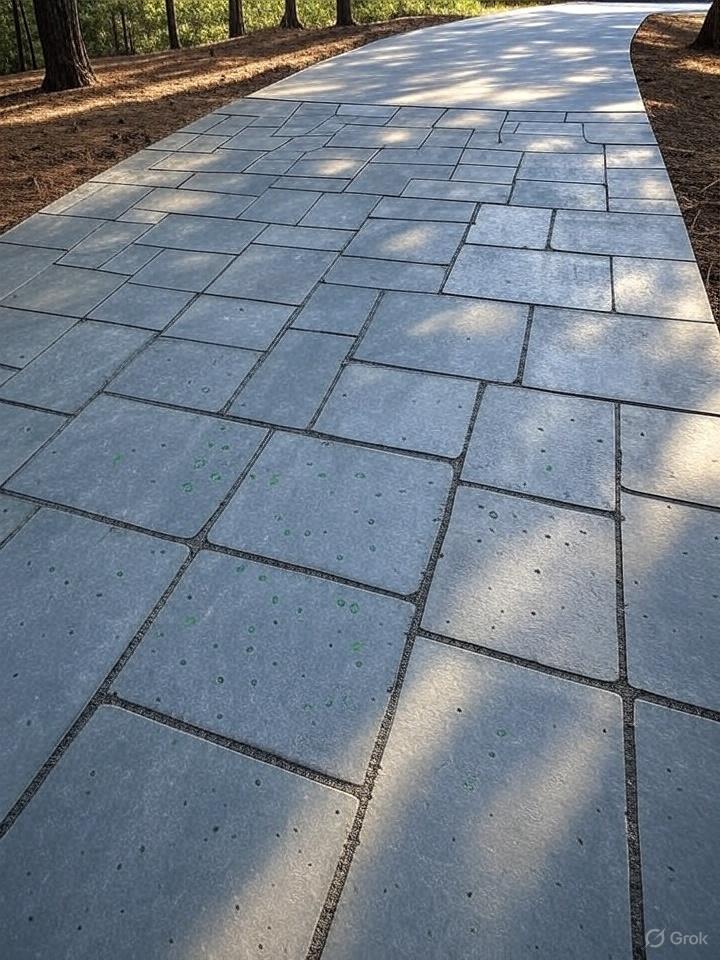
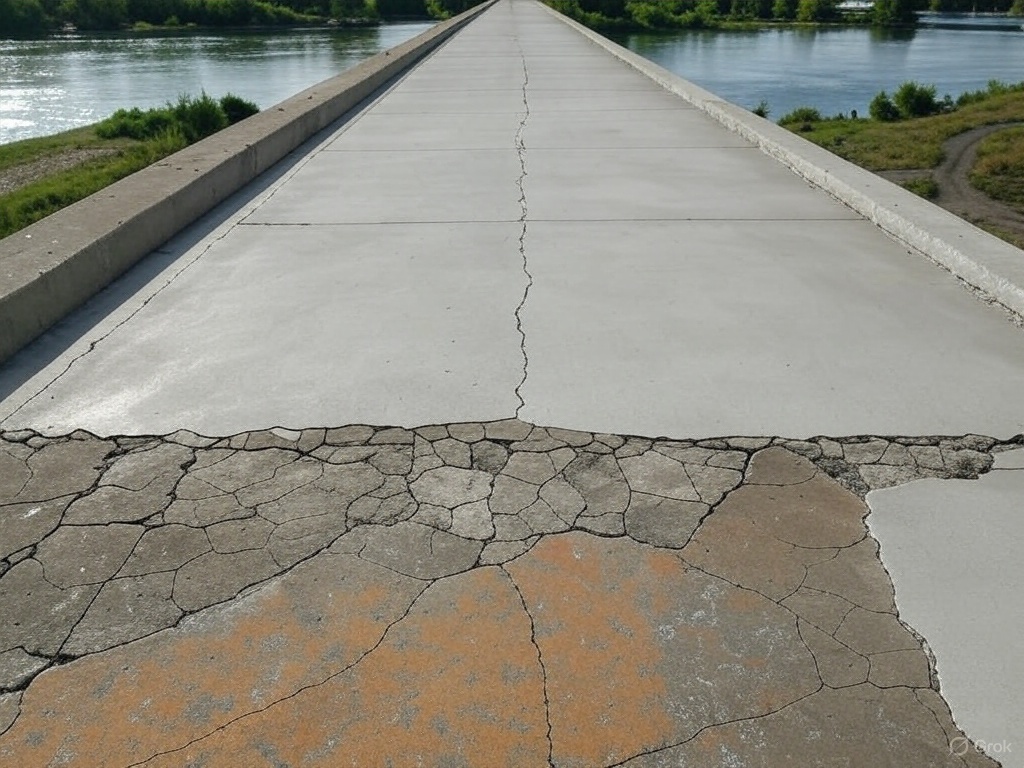
    Stained Concrete Pathway
    Stained Concrete Pathway
  • Air Entrainment in Concrete: Benefits, Challenges, and Practical Implications

    Air Entrainment in Concrete: Benefits, Challenges, and Practical Implications

    Air Entrainment in Concrete: Benefits, Challenges & Practical Implications – 2026 Update
    ★★★★★★★★★★

    Air Entrainment in Concrete
    2026 Edition – Built Strong in the USA

    Updated December 2025

    Introduction

    Air entrainment means intentionally trapping millions of microscopic air bubbles in concrete. These tiny voids (typically 0.0004 to 0.04 in. in diameter) are what make American concrete survive decades of freeze-thaw cycles, road salt, and heavy traffic.

    Key Benefits

    • Freeze-Thaw Protection – Air voids give water a place to expand when it freezes, preventing cracking and spalling.
    • Improved Workability – Easier placement, better finish, less vibration needed.
    • Resistance to Deicing Chemicals – Dramatically reduces surface scaling from road salt.
    • Proven Nationwide – Standard in every state DOT spec from Alaska to Florida.

    The Trade-Offs

    • Rough rule: every 1% of air reduces 28-day compressive strength by about 3–5%.
    • Too much air (>7–8%) wastes money and hurts performance.
    • Air can be lost in transit and especially during pumping.

    Target Air Void System (U.S. Practice – 2026)

    • Total Air Content: 4–7% (±1.5%) by volume for frost-resistant concrete
    • Spacing Factor: ≤ 0.008 in. (the lower the better)
    • Specific Surface: 400–700 in²/in³

    Standard tests: ASTM C231 (pressure method) and ASTM C173 (volumetric method).

    Factors That Affect Air Content on the Job

    FactorEffect on Air Content
    Finer cement or high fly-ash contentDecreases air
    Higher sand percentageIncreases air
    Water reducers / superplasticizersIncreases air
    Long haul timeDecreases air
    Retempering with waterUsually increases air
    PumpingLargest loss – typically 1 to 3% drop
    Excessive vibration or finishingDrives air out
    Always test air content at the point of placement – never trust the batch plant ticket alone.

    Pumping & Air Loss

    Pumping is the #1 cause of air loss on American jobsites. Fix it by increasing the air-entraining admixture dosage 10–20% at the plant and confirming air content at the discharge hose.

    Conclusion

    Properly air-entrained concrete remains the gold standard for durable pavements, bridges, and structures across the United States. A little extra attention to mix design, testing, and pump compensation delivers concrete that lasts generations.

    Eagle

    Volume Concrete LLC – Proudly American-Owned & Operated
    Updated December 2025 for the 2026 construction season
    Built Strong. Built Here. Built to Last.

  • Masonry Calculation Tools

    Masonry Calculation Tools

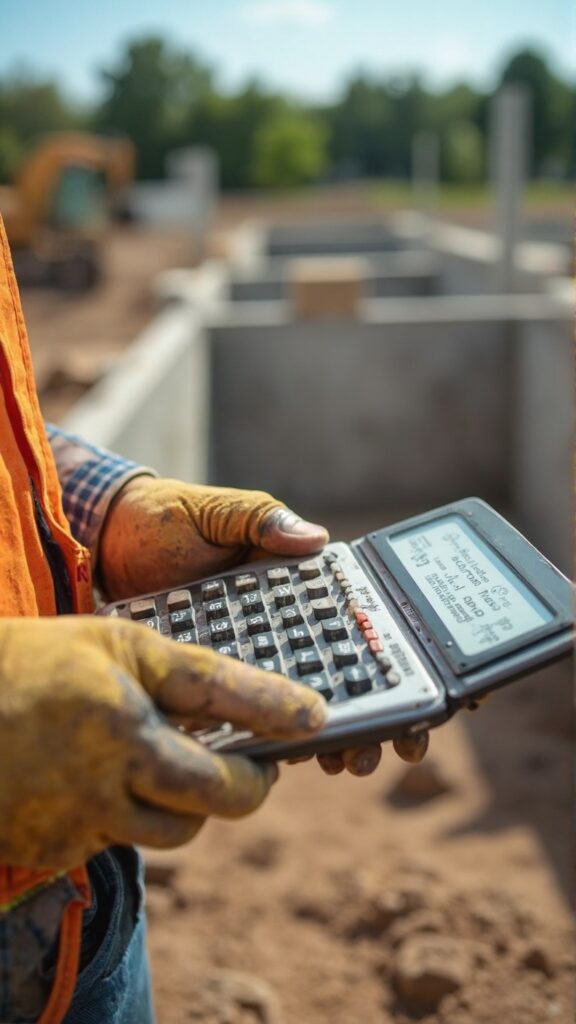
    Masonry CMU Calculator – Volume Concrete

    Masonry CMU Calculator

    At Volume Concrete, we understand that successful masonry projects start with precise planning. Our Masonry CMU Calculator page is designed to empower contractors, builders, and DIY enthusiasts in the Greater Portland Metro area with a reliable tool to estimate Concrete Masonry Units (CMUs) for walls, foundations, or decorative structures. By providing accurate material estimates, we help you avoid costly overages or shortages, ensuring your project stays on budget and on schedule. With our commitment to quality and service, Volume Concrete is your trusted partner for all things concrete.

    This page offers more than just calculations—it’s a resource for smarter project management. The Masonry CMU Calculator accounts for various block types, such as standard, lightweight, or split-face CMUs, and adjusts for openings like doors or windows, delivering tailored results for your unique build. We’ve built this tool with simplicity in mind, so whether you’re a seasoned professional or tackling your first masonry project, you can plan with confidence and focus on bringing your vision to life.

    Explore the calculator to streamline your material planning, and let Volume Concrete support your project with our top-tier volumetric concrete delivery services. Our team is dedicated to providing fresh, high-quality concrete mixed on-site to meet your exact specifications. Use this page to calculate your CMU needs, then contact us to schedule delivery or learn more about how we can help you build stronger, smarter, and more efficiently.

    CMU and Grout Calculator

    Estimate the number of Concrete Masonry Units (CMUs), mortar, and high-strength grout (8-sack or higher) needed for your project. Accounts for 3/8-inch mortar joints, 5% waste for blocks, and 10% waste for grout.

    At Volume Concrete, we understand that successful masonry projects start with precise planning. Our Masonry CMU Calculator page is designed to empower contractors, builders, and DIY enthusiasts in the Greater Portland Metro area with a reliable tool to estimate Concrete Masonry Units (CMUs) for walls, foundations, or decorative structures. By providing accurate material estimates, we help you avoid costly overages or shortages, ensuring your project stays on budget and on schedule. With our commitment to quality and service, Volume Concrete is your trusted partner for all things concrete.

    This page offers more than just calculations—it’s a resource for smarter project management. The Masonry CMU Calculator accounts for various block types, such as standard, lightweight, or split-face CMUs, and adjusts for openings like doors or windows, delivering tailored results for your unique build. We’ve built this tool with simplicity in mind, so whether you’re a seasoned professional or tackling your first masonry project, you can plan with confidence and focus on bringing your vision to life.

    Explore the calculator to streamline your material planning, and let Volume Concrete support your project with our top-tier volumetric concrete delivery services. Our team is dedicated to providing fresh, high-quality concrete mixed on-site to meet your exact specifications. Use this page to calculate your CMU needs, then contact us to schedule delivery or learn more about how we can help you build stronger, smarter, and more efficiently.

  • Concrete Curing Time Estimator

    Back to CALCULATORS

    Concrete Curing Time Estimator

    Concrete Curing Time Estimator

    Enter your project details and get day-by-day strength estimates (in PSI) for the first 28 days.

    Disclaimer: These are estimates based on ACI 209R-92 maturity curves for moist-cured concrete. Actual strength depends on exact mix design, cement type, admixtures, curing method, and field conditions. Always verify with cylinder breaks for structural work.

    This tool, provided by Volume Concrete LLC, estimates curing time for your concrete project. We supply ready-mix concrete only and offer this calculator for convenience. Volume Concrete LLC is not responsible for the accuracy or outcomes of these calculations.

    Concrete Cure Time Estimator for Rapid Set Concrete from Volume Concrete

    Concrete Cure Time Estimator for Rapid Set Concrete from Volume Concrete

    This chart illustrates the compressive strength development over time for Rapid Set Concrete, based on the following key milestones:

    • 3,000 psi after 4 hours
    • 5,000 psi after 24 hours

    How We Attain These Calculations

    These compressive strength values are obtained through laboratory testing in accordance with ASTM C39 standards, where concrete samples are prepared, cured under controlled conditions, and subjected to compression tests at specified time intervals to measure their load-bearing capacity.

    The Concrete Curing Time Estimator, offered by Volume Concrete LLC, is a valuable tool designed to help contractors, builders, and DIY enthusiasts plan their concrete projects with confidence. This user-friendly calculator estimates the curing time required for your concrete to reach optimal strength, based on factors like concrete type (standard or fast-setting), ambient temperature, relative humidity, and slab thickness. Whether you’re pouring a driveway, patio, or foundation, this tool provides practical guidance to ensure your project timeline aligns with the curing process, helping you achieve a durable, high-quality finish. As a trusted supplier of ready-mix concrete, Volume Concrete LLC provides this calculator as a free resource to complement our existing suite of calculators on www.volumeconcrete.com, but we take no responsibility for the accuracy or outcomes of the calculations.

    Using the Concrete Curing Time Estimator is simple and intuitive, making it accessible for both professionals and homeowners. Just select your concrete type, input the current temperature (in °F), humidity (in %), and slab thickness (in inches), then click “Calculate” to receive an instant estimate of the days needed to reach 70% and 90% strength, along with tailored curing recommendations. For example, if you’re pouring a 6-inch-thick driveway slab in Denver on May 23, 2025, at 65°F and 45% humidity using our standard ready-mix concrete, the calculator might suggest 7 days for 70% strength and 28 days for 90% strength, recommending moist curing with compounds or covers for 3-7 days. This insight helps you schedule finishing tasks or loading the slab, ensuring a successful pour. The calculator’s responsive design works seamlessly on your phone at the job site or your computer at home, fitting perfectly with Volume Concrete LLC’s commitment to practical solutions.

    At Volume Concrete LLC, we’re dedicated to supplying top-quality ready-mix concrete for your projects, and this estimator is part of our effort to support your planning process. Please note that we do not sell curing products or other materials, and this tool is provided for informational purposes only. Curing times can vary due to site conditions, mix design, and other factors, so we recommend consulting a professional for critical projects. To get started, simply use the calculator embedded in this post, input your project details, and order your ready-mix concrete from Volume Concrete LLC. While we’re not liable for the results of this tool, we’re here to deliver the concrete you need for a strong, lasting build.

  • Concrete Reinforcement Estimator for Rebar & Wire Mesh

    Concrete Reinforcement Estimator for Rebar & Wire Mesh

    Concrete Reinforcement Estimator

    Concrete Reinforcement Estimator

    Results

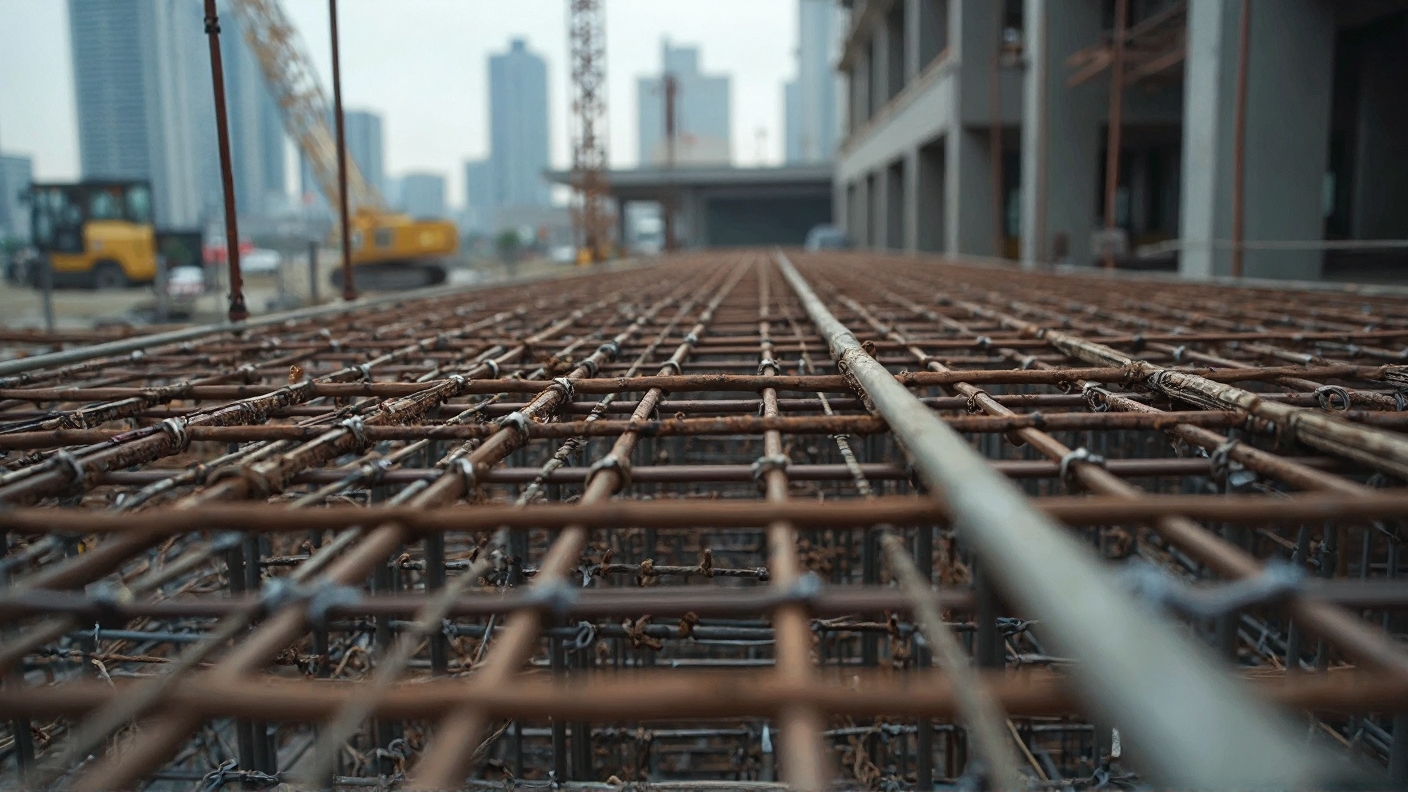
    The Concrete Reinforcement Estimator, provided by Volume Concrete LLC, is a convenient tool designed to help contractors, builders, and DIYers estimate the amount of rebar or wire mesh needed for concrete projects like driveways, patios, or foundations. Offered as a standalone HTML file, this calculator delivers quick results based on your project’s dimensions, assisting you in planning your reinforcement needs before ordering ready-mix concrete from Volume Concrete LLC. Please note that Volume Concrete LLC only supplies ready-mix concrete and does not sell rebar or wire mesh; this tool is provided for your convenience, and we take no responsibility for the accuracy or outcomes of the calculations. Below, we’ll explain how to use the estimator and provide an example to illustrate its use for your next concrete project.

    The form asks for your concrete structure’s dimensions: length and width in feet, and depth in inches, consistent with our other calculators on www.volumeconcrete.com. Select the reinforcement type—rebar or wire mesh—using the dropdown menu. If you choose rebar, additional fields appear to input spacing (in inches) and rebar size (#3, #4, or #5). You can adjust the waste factor, defaulted to 10%, to account for cuts or overlaps. After entering the details, click “Calculate” to view the results, which show the estimated number of rebar bars and linear feet or wire mesh sheets needed, including waste. Use this information to plan your reinforcement purchase separately, then order your ready-mix concrete from Volume Concrete LLC.

    For example, suppose you’re planning a 20-foot by 10-foot concrete slab for a patio, 6 inches thick, and want to reinforce it with #4 rebar spaced 12 inches apart. Open the calculator, enter “20” for length, “10” for width, and “6” for depth. Choose “Rebar,” set the spacing to “12” inches, select “#4” for rebar size, and keep the waste factor at “10”. Click “Calculate,” and the results will indicate approximately 11 bars along the length, 21 bars along the width, 410 linear feet of rebar, and about 451 linear feet with the 10% waste factor. This helps you estimate the rebar to source from a supplier, while you can contact Volume Concrete LLC to order the ready-mix concrete needed for the pour. Remember, we provide this tool as a courtesy and are not liable for the results.

    This estimator, crafted for Volume Concrete LLC’s customers, complements our suite of tools and maintains the user-friendly approach of our slab and column calculators. Its responsive design ensures it works on your phone at the job site or your computer at home. For wire mesh projects, like a commercial foundation, simply input the dimensions and waste factor to estimate the number of standard 5×150-foot sheets required. To get started, save the provided HTML file, open it in your browser, or look for an integrated version on our website. While Volume Concrete LLC is your trusted source for high-quality ready-mix concrete, this free estimator helps you plan your reinforcement needs conveniently, though we bear no responsibility for its calculations or outcomes.

  • Concrete Trivia

    Concrete Trivia

    Concrete Trivia Challenge

    Test Your Knowledge: Concrete Trivia Challenge

    Score: 0/100
  • How LDCC Works for Insulation

    How LDCC Works for Insulation

    Low-Density Cellular Concrete (LDCC) can be an effective material for foundation insulation, offering unique advantages due to its lightweight, thermal insulating properties, and versatility. Its effectiveness depends on factors like mix design, density, and the specific application, so let’s break it down:

    How LDCC Works for Insulation

    LDCC is a lightweight concrete made by mixing cement, water, and preformed foam, which creates a structure of air cells within the material. These air pockets significantly reduce its density (typically 20–50 lbs/cuft, though it can go up to 90 lbs/cuft) and enhance its thermal insulation properties. The trapped air acts as a barrier to heat transfer, similar to how insulation materials like foam or fiberglass work, making LDCC a viable option for insulating foundations.

    • Thermal Conductivity: LDCC’s thermal conductivity is much lower than traditional concrete. For example, at densities of 400–600 kg/m³ (25–37 lbs/cuft), it can achieve a thermal conductivity of around 0.1–0.2 W/m·K, compared to 1.5–2 W/m·K for standard concrete. This makes it highly effective at reducing heat loss or gain through foundation walls or slabs.
    • R-Value: The R-value (thermal resistance) of LDCC varies with density. At lower densities (e.g., 25–30 lbs/cuft), it can provide R-values of 1–2 per inch, which is competitive with some traditional insulation materials like expanded polystyrene (EPS). Higher-density LDCC sacrifices some insulation for strength but still outperforms regular concrete.

    Benefits for Foundation Insulation

    1. Lightweight Load Reduction: LDCC’s low density (often 1/3 to 1/2 the weight of traditional concrete) reduces the structural load on the foundation, which is especially useful in poor soil conditions or retrofits where added weight is a concern.
    2. Seamless Application: As a flowable, self-leveling material, LDCC can be pumped into tight or irregular spaces around foundations, ensuring continuous insulation without gaps—something rigid foam boards struggle to achieve.
    3. Moisture Resistance: Non-pervious LDCC mixes (common in foundation applications) have low water absorption (around 3–7% in some tests), reducing the risk of water infiltration that can degrade insulation performance or damage the foundation.
    4. Durability: Unlike organic insulation materials (e.g., foam boards), LDCC is fire-resistant, termite-proof, and doesn’t degrade over time, offering long-term stability under a foundation.
    5. Dual Purpose: Beyond insulation, LDCC can provide some structural support (compressive strengths from 50 psi to over 1,000 psi, depending on density) and act as a load-reducing fill, combining insulation with geotechnical benefits.

    Limitations

    1. Lower R-Value Than Dedicated Insulation: While LDCC insulates better than regular concrete, its R-value per inch is lower than high-performance materials like rigid foam (e.g., XPS at R-5 per inch). To achieve equivalent insulation, thicker layers may be needed, which could increase costs or space requirements.
    2. Strength Trade-Off: Lower-density LDCC, optimized for insulation, has reduced compressive strength (e.g., 50–200 psi), making it less suitable as a primary structural material under heavy loads. Higher-density mixes (e.g., 75–90 lbs/cuft) balance strength and insulation but sacrifice some thermal performance.
    3. Cost: LDCC can be more expensive than traditional fill materials like gravel or soil, though it’s often cheaper than installing separate insulation layers plus backfill. The cost-effectiveness depends on the project scale and local material prices.
    4. Permeability Variability: Pervious LDCC mixes, while useful for drainage, allow water penetration, which could reduce insulation effectiveness in wet conditions unless paired with waterproofing.

    Practical Applications

    • Under-Slab Insulation: LDCC is often used beneath foundation slabs to insulate against ground temperature fluctuations. For example, a 4–6 inch layer of 30 lbs/cuft LDCC can provide sufficient insulation while supporting light loads, reducing heat loss in cold climates or heat gain in warm ones.
    • Foundation Wall Backfill: When backfilling exterior foundation walls, LDCC reduces lateral earth pressure (due to its low density) and insulates against external temperature changes, protecting basements or crawlspaces.
    • Retrofits: Its pumpability makes LDCC ideal for insulating existing foundations in confined spaces where traditional insulation is hard to install.

    Real-World Effectiveness

    • Case Studies: Projects like the lightweight fill at Louis Armstrong Airport in New Orleans have used LDCC for its insulating and load-reducing properties, though specific insulation data isn’t always highlighted. In colder regions, LDCC has been used under slabs to prevent frost heave, leveraging its thermal resistance and freeze-thaw durability.
    • Comparison: Compared to gravel backfill (negligible insulation) or rigid foam (higher R-value but labor-intensive), LDCC strikes a middle ground, offering moderate insulation with easier installation and added geotechnical benefits.

    Optimizing LDCC for Insulation

    To maximize effectiveness:

    • Use a low-density mix (20–30 lbs/cuft) for insulation-focused applications, accepting lower strength.
    • Pair with a vapor barrier or waterproof membrane in wet climates to maintain thermal performance.
    • Specify mix designs with fly ash or other additives to enhance insulation and sustainability without sacrificing durability.

    Conclusion

    LDCC works well for foundation insulation, particularly where ease of placement, durability, and combined structural-insulating benefits are priorities. It’s not a replacement for high-R-value materials in extreme climates but excels in moderate conditions or projects needing a multifunctional solution. For a specific project, its effectiveness hinges on tailoring the density and thickness to balance insulation needs with structural demands—something a geotechnical engineer or concrete specialist can fine-tune. Would you like me to dig deeper into a particular aspect, like cost comparisons or mix design specifics?

  • The Concrete That Fights Back: A Game-Changer or a Global Gamble?

    The Concrete That Fights Back: A Game-Changer or a Global Gamble?

    The Concrete Revolution: Self-Healing Concrete That Could Save the World

    Imagine a world where crumbling bridges, cracking dams, and collapsing buildings are relics of the past. Enter self-healing concrete, a futuristic material straight out of science fiction that’s now breaking into reality—and it’s poised to revolutionize infrastructure on a dramatic scale. In March 2025, researchers unveiled a breakthrough: a concrete infused with bacteria that “wakes up” when cracks form, secreting limestone to seal itself shut. This isn’t just a patch job—it’s a living, breathing solution to one of humanity’s oldest engineering problems.

    The Drama Unfolds

    Picture this: a massive highway bridge in a bustling city begins to fracture under the strain of endless traffic. Normally, this would spell disaster—costly repairs, traffic chaos, or even catastrophic collapse. But with self-healing concrete, tiny dormant bacteria (like Bacillus subtilis) spring to life as water seeps into the cracks. Fed by nutrients embedded in the mix, they produce calcium carbonate—nature’s own superglue—mending the damage in days. No cranes, no construction crews, just the silent work of microscopic heroes.

    The stakes are sky-high. Aging infrastructure costs the global economy trillions annually—$2.5 trillion in the U.S. alone by some estimates—and concrete failure has claimed countless lives in disasters like the 2021 Surfside condo collapse. Now, this innovation could slash repair budgets, avert tragedies, and even combat climate change by extending the lifespan of carbon-heavy concrete structures.

    The Dark Side

    But there’s a twist. Critics warn of a dystopian catch: what if these bacteria mutate or escape into the environment? Could we unleash an uncontrollable “concrete plague” that hardens rivers or locks ecosystems in stone? And then there’s the cost—early adopters like the Netherlands have sunk millions into pilot projects (e.g., a self-healing canal in 2024), but scaling it globally could bankrupt smaller nations. The race is on: engineering marvel or ecological nightmare?

    Why It Matters Now

    On March 29, 2025, a landmark study from Delft University showcased a 50-meter bridge built entirely with self-healing concrete, enduring stress tests that would shatter traditional mixes. Governments and corporations are watching closely—China’s already planning to retrofit its mega-cities, while Elon Musk tweeted, “Self-healing concrete + AI = infrastructure that outlasts us all.” This isn’t just a material; it’s a ticking clock on humanity’s ability to build a resilient future.

    Key Points

    • Research suggests self-healing concrete can autonomously repair cracks, enhancing durability.
    • It seems likely that methods include bacteria, capsules, and natural hydration, with ongoing debates on effectiveness.
    • The evidence leans toward benefits like reduced maintenance and environmental sustainability.
    • Market growth appears strong, with projections indicating significant expansion by 2033.

    What is Self-Healing Concrete?

    Self-healing concrete is a type of construction material designed to fix its own cracks without external intervention. It aims to increase the lifespan and durability of structures by sealing cracks that could otherwise lead to further damage.

    How Does It Work?

    Self-healing concrete operates through two main mechanisms:

    • Autogenous Healing: This natural process involves unhydrated cement reacting with water to fill small cracks, effective mainly for microcracks under specific conditions like moisture presence.
    • Autonomous Healing: Engineered solutions include embedding bacteria (e.g., Bacillus subtilis), microcapsules with healing agents, or vascular systems that release repair materials when cracks form.

    Benefits and Applications

    Research suggests benefits include reduced maintenance costs, increased structural durability, and environmental sustainability by minimizing repair needs. It’s being explored for infrastructure like tunnels and marine structures, with companies like Matsuo Construction in Japan promoting it for decarbonization.

    Market Trends

    The market for self-healing concrete is projected to grow significantly, with estimates suggesting a market size of USD 254.97 billion by 2033, driven by demand for sustainable construction materials

    .


    Survey Note: Comprehensive Analysis of Self-Healing Concrete

    Self-healing concrete represents a transformative advancement in construction materials, offering the potential to autonomously repair cracks and enhance the longevity of structures. This survey note provides a detailed examination of its mechanisms, benefits, recent developments, and market trends, catering to stakeholders in the concrete industry, such as “VolumeConcrete,” who may seek to integrate this technology into their operations.

    Definition and Mechanisms

    Self-healing concrete is characterized by its ability to fix cracks either autogenously or autonomously, also known as self-repairing concrete. Autogenous healing relies on the natural process of continued hydration of clinker minerals or carbonation of calcium hydroxide, effective primarily for small cracks (10–100 μm, up to 200 μm, less than 300 μm) and requiring water presence. This method is influenced by factors such as concrete age, composition, and crack thickness/form, making it less controllable for larger damages.

    Autonomous healing, on the other hand, involves engineered modifications to enhance repair capabilities. These include:

    • Microencapsulation: Capsules smaller than 1 mm, containing healing agents like epoxy, release upon crack formation, with a typical ratio of 0.5–1.3 catalyst to microcapsules.
    • Macroencapsulation: Utilizes polypropylene or glass fibers with a methyl methacrylate core, diameters ranging from 0.8–5 mm, enabling multiple healing events.
    • Vascular Healing: Biomimetic approach using 1D, 2D, or 3D channel networks for continuous healing agent delivery, scalable for applications like bridge decks.
    • Self-Healing Bioconcrete: Incorporates microbial activity, such as Bacillus subtilis, to precipitate calcium carbonate, particularly effective in wet-dry environments, with crack width regulation crucial for faster healing.

    Recent research, such as a 2024 study on microbial self-healing concrete , highlights challenges like the longevity of microbial spores and cost implications for large-scale applications, indicating ongoing debates on the most effective approach.

    Benefits and Practical Applications

    The benefits of self-healing concrete are substantial, particularly for reducing maintenance costs and enhancing durability. It prevents the flow of liquids and gases that could corrode reinforcement steel, thus extending the service life of structures. A 2022 review notes its capacity to lower the need for external repairs, limiting reinforcement corrosion and concrete deterioration

    .

    Practical applications are expanding, with X posts from May 2025 indicating its use in mountain tunnels and marine structures, reducing maintenance costs significantly. For instance, an X post by

    @BONTAENGINEER on May 27, 2025, highlighted its adoption for such infrastructure, noting capsule-based self-repair materials activated by water contact

    . Companies like Matsuo Construction are promoting it for decarbonization, as seen in X posts from May 26, 2025, by

    @SIGMA_Const and

    @nkkyushuokinawa, focusing on bacterial-based self-repair to support corporate sustainability goals (X post, X post).

    Recent Developments

    Recent advancements include bacterial-based methods, with studies from 2022 focusing on Bacillus subtilis in alginate-based materials to improve crack tightness . Polymer-based solutions, such as PNNL’s Self-Healing Cement, combine polymers with cement for rapid 24-hour crack repair, increasing elasticity by 70% and resistance to natural disasters

    . Nature-inspired innovations, like Texas A&M University’s lichen-inspired system, were highlighted in X posts from May 21 and 28, 2025, by

    @ThomasFrey and

    @springwise, respectively, suggesting a living, air-powered repair mechanism (X post, X post).

    An August 6, 2024, article from TecScience discussed a groundbreaking self-healing concrete using bacteria and CO2 to seal small cracks, indicating its potential for building walls . Additionally, a October 1, 2024, report from BGR noted its use in the US, repairing cracks without additional concrete, signaling commercial adoption .

    Market Trends and Commercial Aspects

    The self-healing concrete market is poised for significant growth, with multiple reports projecting high CAGRs. A 2025 report from Straits Research estimates the market to grow from USD 33.87 billion in 2025 to USD 254.97 billion by 2033, at a CAGR of 28.7%

    . Grand View Research valued it at USD 24.60 billion in 2019, projecting a CAGR of 37.0% by 2027

    . Other projections include Fortune Business Insights forecasting USD 1,038.72 billion by 2032 at a CAGR of 36.8%

    , and Precedence Research predicting USD 1376.31 billion by 2034 at a CAGR of 30.33%

    .

    This growth is driven by increasing infrastructure development, urbanization, and demand for sustainable materials. Europe dominated with a 40% market share in 2024, according to Precedence Research, reflecting regional leadership in adoption. The market’s expansion is also fueled by government-funded consortiums like SARCOS COST Action and SMARTINCS, as noted in a Wikipedia entry from 2021, anticipating revenue from US$34.10 billion in 2021 to US$562.97 billion in 2030

    .

    Comparative Analysis of Market Projections

    To illustrate the variance in market forecasts, the following table summarizes key projections:

    Source2024/2025 Value (USD Billion)End YearProjected Value (USD Billion)CAGR (%)
    Straits Research33.87 (2025)2033254.9728.7
    Grand View Research24.60 (2019)202737.0
    Fortune Business Insights84.59 (2024)20321,038.7236.8
    Precedence Research97.37 (2024)20341,376.3130.33
    Data Bridge Market Research56.03 (2022)2030507.0731.7

    This table highlights the robust growth expected, with varying base years and end projections reflecting different analytical approaches.

    Relevance to Industry Stakeholders

    For “VolumeConcrete,” the adoption of self-healing concrete could reduce long-term maintenance costs and align with sustainability goals, given its projected market growth and commercial applications. The technology’s ability to extend structure lifespan, as seen in applications for tunnels and marine structures, could be particularly beneficial for large-scale projects. Engaging with companies like Matsuo Construction or exploring partnerships with research institutions like Texas A&M could provide strategic advantages in this emerging market.

    In conclusion, self-healing concrete is not just a technological innovation but a potential game-changer for the construction industry, offering durability, sustainability, and economic benefits. Its ongoing research and commercial adoption, as evidenced by recent X posts and market reports, suggest a promising future, with significant opportunities for industry players to leverage this technology.

    Key Citations

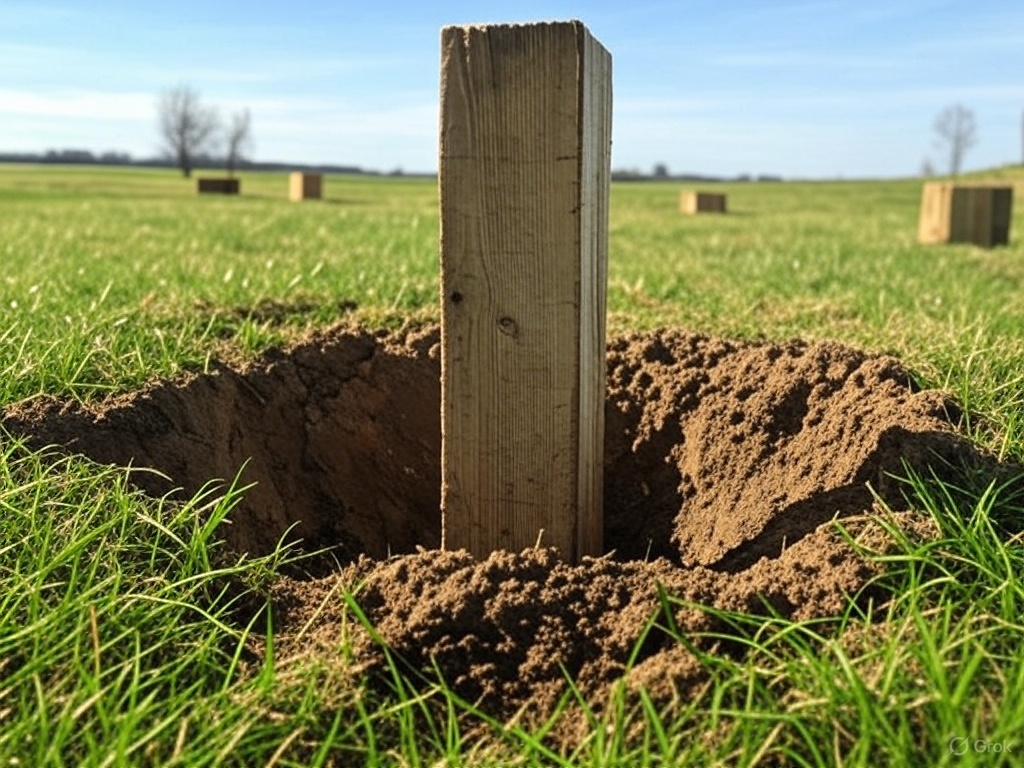
  • Post Hole Calculator for Fencing Using Bags of Concrete

    Post Hole Calculator for Fencing Using Bags of Concrete

    Concrete Calculator for Post Holes

    Concrete Calculator for Post Holes

    Fill out the form with your project details: (NOTE: We don’t sell bagged concrete) :

    • Number of posts you’re setting.
    • Hole diameter and depth in inches.
    • Post size (e.g., 4×4) and height.
    • Concrete bag size (e.g., 60 lbs, which yields 0.45 cubic feet).

    Click the “Calculate” button to see the results, which include:

    • Concrete volume per post (in cubic feet).
    • Bags needed per post.
    • Total concrete volume and total bags required (rounded up).

    Use the “Print Results” button to generate a hard copy of your calculations for reference on-site.

  • Bags of Concrete Calculator

    Bags of Concrete Calculator

    Volume Concrete Calculators

    Concrete Bags Calculator

    Results:

    Volume: —

    Bags Needed: —

    Estimates are approximate. Always check bag manufacturer for specific yield.

    Yield Representation:

    bags

    Yield: —

    Cement Bag Yield Calculator

    This calculator estimates the volume of cement paste produced by mixing a 94 lb bag of cement with water.

    lbs
    : 1

    Results:

    Cement Paste Volume: —

    Yields are approximate and based on standard material densities. Actual yield may vary.

    Enter Dimensions


    How to Use:

    1. Enter the length and width in feet
    2. Enter the depth in inches
    3. Select your bag size (40lb, 60lb, or 80lb)
    4. Click "Calculate" to see results
    5. Use the "Print Results" button to print the page

    Notes: This calculator assumes standard concrete bag yields. Actual needs may vary slightly due to waste, spillage, or uneven surfaces. Always round up to the nearest whole bag and consider purchasing extra for contingency.

    Let's double-check the math for the concrete bag yields used in the calculator. The yields for standard concrete bags are based on industry standards (commonly provided by manufacturers like Quikrete or Sakrete) and are expressed in cubic yards per bag. Here's the verification:

    Standard Yields for Concrete Bags

    • 40 lb bag: Approximately 0.011 cubic yards
    • 60 lb bag: Approximately 0.017 cubic yards
    • 80 lb bag: Approximately 0.022 cubic yards

    These values are derived from the volume of concrete produced when mixed with water, as specified by manufacturers. To confirm, let's convert these to cubic feet (since 1 cubic yard = 27 cubic feet) and check against typical yields:

    1. 40 lb bag:
      • Yield = 0.011 cubic yards
      • 0.011 × 27 = 0.297 cubic feet
      • Industry standard: Approximately 0.30 cubic feet (slight variation due to rounding or mix design)
      • Check: 0.297 ≈ 0.30 (within acceptable tolerance)
    2. 60 lb bag:
      • Yield = 0.017 cubic yards
      • 0.017 × 27 = 0.459 cubic feet
      • Industry standard: Approximately 0.45 cubic feet
      • Check: 0.459 ≈ 0.45 (very close, difference due to rounding)
    3. 80 lb bag:
      • Yield = 0.022 cubic yards
      • 0.022 × 27 = 0.594 cubic feet
      • Industry standard: Approximately 0.60 cubic feet
      • Check: 0.594 ≈ 0.60 (within acceptable tolerance)

    The values align with standard manufacturer specifications, with minor differences due to rounding or slight variations in mix design.

    Bags per Cubic Yard

    To further verify, let's calculate how many bags are needed for 1 cubic yard:

    • 40 lb: 1 ÷ 0.011 ≈ 90.91 bags (rounds to 91)
    • 60 lb: 1 ÷ 0.017 ≈ 58.82 bags (rounds to 59)
    • 80 lb: 1 ÷ 0.022 ≈ 45.45 bags (rounds to 46)

    These are consistent with common industry estimates:

    • 40 lb: ~90 bags per cubic yard
    • 60 lb: ~60 bags per cubic yard
    • 80 lb: ~45 bags per cubic yard

    Calculator Math Check

    In the code, the number of bags is calculated as:

    • bagsPerYard = 1 / yield (where yield is 0.011, 0.017, or 0.022)
    • bagsNeeded = Math.ceil(volumeCubicYards * bagsPerYard)

    For example:

    • Volume = 1 cubic yard, 80 lb bag:
      • bagsPerYard = 1 / 0.022 ≈ 45.45
      • bagsNeeded = Math.ceil(1 * 45.45) = 46
    • This matches the expected result.

    Conclusion

    The yields (0.011, 0.017, and 0.022 cubic yards for 40 lb, 60 lb, and 80 lb bags, respectively) and the subsequent calculations are correct and consistent with standard concrete bag yields. The slight variations from exact manufacturer values (e.g., 0.60 cu ft for 80 lb vs. 0.594 cu ft) are due to rounding for simplicity, but they don't significantly affect the final bag count due to the Math.ceil() function, which ensures you round up to the next whole bag.